Know the whole fight.
The Evolution of Mixed Martial Arts: From Ancient Roots to Modern UFC
Explore the rich history of mixed martial arts from its ancient origins to the modern UFC era, highlighting key developments and influential figures.
Mixed martial arts, commonly referred to as MMA, is a dynamic and multifaceted sport that has captured the attention of millions around the globe. It is characterized by its blend of various fighting styles, allowing competitors to utilize techniques from disciplines such as boxing, wrestling, judo, Brazilian jiu-jitsu, and Muay Thai. This unique combination not only showcases the athletes' versatility but also emphasizes the strategic elements of combat, making it a thrilling spectacle for fans and participants alike. The significance of mixed martial arts extends beyond mere entertainment; it represents a convergence of cultures and fighting philosophies that have evolved over centuries. From its ancient origins in Greece and China to its modern incarnation in the United States, MMA has undergone a remarkable transformation.
The sport has grown from informal competitions into a highly regulated and respected athletic endeavor, complete with weight classes, safety protocols, and a global fanbase. As we delve deeper into the history of MMA, we will explore its roots in ancient combat sports, the pivotal moments that shaped its development, and the influential figures who have contributed to its rise. Understanding the evolution of mixed martial arts not only enriches our appreciation for the sport but also highlights its role in promoting physical fitness, discipline, and respect among practitioners. Join us on this journey through time as we uncover the fascinating story behind one of the most popular sports in the world today.
The Origins of Mixed Martial Arts in Ancient Civilizations
The roots of mixed martial arts can be traced back to ancient civilizations, where combat sports were not only a means of physical competition but also a reflection of cultural values and societal norms. Among the earliest forms of these combat sports was pankration , which emerged in ancient Greece around 648 B.C. E. This unique discipline combined elements of both boxing and wrestling, allowing competitors to utilize a wide array of techniques to subdue their opponents. Pankration was characterized by its minimal rules, permitting a variety of striking and grappling techniques. Fighters could employ punches, kicks, joint locks, and even chokeholds, making it one of the most versatile forms of combat in the ancient world.
The only prohibited actions were biting and eye-gouging, which indicates a level of respect for the safety of the participants, despite the brutal nature of the sport. Pankration was so popular that it became a staple event in the ancient Olympic Games, showcasing not only physical prowess but also strategic thinking and adaptability. In parallel to the development of pankration in Greece, ancient China also contributed significantly to the evolution of mixed martial arts. During the Han Dynasty, military training included various forms of hand-to-hand combat that emphasized both striking and grappling techniques. One notable style was known as Shau Diao , which incorporated elements that would later influence modern martial arts such as wrestling and Kung Fu. The cultural significance of these early combat sports cannot be overstated.
In both Greece and China, martial arts were not merely physical contests; they were deeply intertwined with philosophy, ethics, and social status. Combatants were often revered as heroes or warriors, embodying ideals such as honor, discipline, and courage. This reverence for martial prowess laid the groundwork for future generations to explore and expand upon these ancient practices. As we delve deeper into the history of mixed martial arts, it becomes clear that these early forms were not just precursors to modern MMA but rather foundational elements that shaped its evolution. The techniques developed in ancient Greece and China continue to influence contemporary fighting styles, demonstrating the enduring legacy of these ancient combat sports.
The Evolution Through the Ages: From Ancient Greece to the Renaissance
The journey of mixed martial arts (MMA) through history is a fascinating tale of evolution, adaptation, and cultural exchange.After its inception in ancient Greece, where the sport of pankration combined striking and grappling techniques, the art of combat faced significant transformations during the Middle Ages. This period saw a decline in organized combat sports, largely due to societal changes and the rise of chivalric ideals that emphasized honor and noble conduct over brutal fighting. During the Middle Ages, martial arts were often practiced in a more fragmented manner. The focus shifted towards individual combat training for knights and soldiers, who engaged in tournaments and duels rather than formalized competitions. These events were heavily influenced by the code of chivalry, which dictated that combat should be honorable and fair.
As a result, many traditional fighting techniques were preserved but not widely shared or documented. However, this era was not devoid of martial arts development. Various cultures contributed to the evolution of combat techniques. In Europe, the German school of fencing , led by masters like Johannes Liechtenauer, began to codify techniques that would later influence modern martial arts. Similarly, in Italy, figures such as Fiore dei Liberi documented their fighting systems in treatises that included grappling, swordplay, and unarmed combat. The Renaissance marked a significant resurgence in interest towards martial arts and combat sports.
This period was characterized by a renewed fascination with classical antiquity and humanism, leading to a revival of ancient Greek and Roman practices. The establishment of formal schools for fencing and combat training became more common, allowing for greater dissemination of knowledge. During this time, the concept of mixed techniques began to take shape as practitioners sought to integrate various styles into their training regimens. The blending of different martial disciplines laid the groundwork for what would eventually evolve into modern MMA. Techniques from wrestling, grappling, and striking began to coexist as fighters recognized the advantages of being versatile in their approach. In summary, the evolution of mixed martial arts from ancient Greece through the Renaissance illustrates a complex interplay between cultural influences and historical contexts.
While the Middle Ages saw a decline in organized combat sports, the Renaissance reignited interest in martial arts, paving the way for future developments that would lead to the establishment of MMA as we know it today.
The Birth of Modern Mixed Martial Arts in Brazil
The resurgence of mixed martial arts in the 20th century can be largely attributed to Brazil, where the unique blend of combat sports flourished, particularly through the development of Brazilian jiu-jitsu (BJJ) and the no-holds-barred fighting style known as Vale Tudo. These two elements played a crucial role in shaping modern MMA and establishing Brazil as a powerhouse in the sport.Brazilian Jiu-Jitsu: The Foundation of Modern MMA
Brazilian jiu-jitsu evolved from traditional Japanese jiu-jitsu and judo, brought to Brazil by Mitsuyo Maeda in the early 20th century. Maeda, a skilled judoka, taught Carlos Gracie, who would go on to adapt and refine these techniques into what we now recognize as BJJ. This martial art emphasizes ground fighting and submission grappling, allowing practitioners to control opponents through leverage and technique rather than brute strength. The Gracie family became instrumental in promoting BJJ, establishing schools and hosting challenge matches that showcased their techniques against various martial arts styles.
These events not only demonstrated the effectiveness of BJJ but also laid the groundwork for what would eventually become modern mixed martial arts.
Vale Tudo: The No-Holds-Barred Fighting
Alongside Brazilian jiu-jitsu, Vale Tudo emerged as a significant influence on the evolution of MMA in Brazil. Translated as "anything goes," Vale Tudo matches were characterized by minimal rules, allowing a wide range of fighting techniques from various martial arts disciplines. This format attracted fighters from different backgrounds, including boxing, wrestling, and traditional martial arts, creating an environment where styles could be tested against one another.
Vale Tudo events gained popularity in Brazil during the 20th century, with notable fighters such as Rickson Gracie, who became a legendary figure in this arena. His dominance in Vale Tudo matches showcased the effectiveness of BJJ against other fighting styles, further solidifying its place in the martial arts community.
The Birth of Modern MMA
The combination of Brazilian jiu-jitsu and Vale Tudo set the stage for the birth of modern mixed martial arts.
In 1993, the first Ultimate Fighting Championship (UFC) event was held in the United States, bringing together fighters from various disciplines to compete under a unified set of rules. The success of this event highlighted the effectiveness of cross-training and led to a surge in interest in MMA worldwide. Brazil's contributions to this evolution cannot be overstated. The techniques developed through Brazilian jiu-jitsu and the spirit of competition fostered by Vale Tudo have become integral components of modern MMA training. Today, fighters across the globe incorporate BJJ into their training regimens, recognizing its importance in grappling and submission scenarios. In conclusion, Brazil's pivotal role in the rebirth of mixed martial arts through Brazilian jiu-jitsu and Vale Tudo has left an indelible mark on the sport.
As MMA continues to grow globally, it is essential to acknowledge these foundational elements that have shaped its evolution into one of the most popular combat sports today.
The Rise of MMA in the United States: The UFC Era
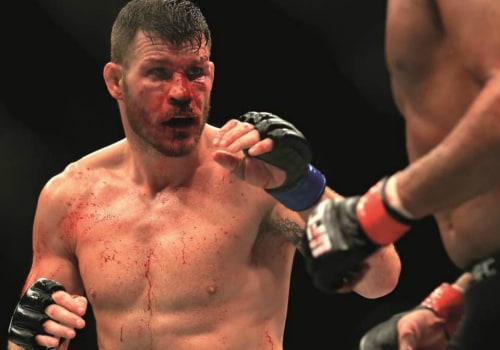
The establishment of the Ultimate Fighting Championship (UFC) in 1993 marked a pivotal moment in the history of mixed martial arts (MMA) in the United States. The UFC was created by Art Davie and Rorion Gracie, who sought to showcase various martial arts styles in a no-holds-barred competition format. The inaugural event, UFC 1, took place on November 12, 1993, in Denver, Colorado, and featured fighters from diverse backgrounds, including Brazilian jiu-jitsu, boxing, wrestling, and karate. Initially, the UFC faced significant challenges. The lack of rules and regulations led to widespread criticism and concerns about fighter safety.Many states banned the sport altogether, labeling it as barbaric and dangerous. However, this controversy also fueled interest among fans who were drawn to the raw and unfiltered nature of the competition. As the UFC struggled for legitimacy, it began to implement changes aimed at improving safety and gaining acceptance. In 2001, Zuffa LLC, led by Dana White and Lorenzo Fertitta, purchased the UFC and initiated a series of reforms. They introduced weight classes, standardized rules, and mandatory use of gloves.
These changes not only enhanced fighter safety but also helped to legitimize MMA as a sport. The turning point for the UFC came in 2005 with the launch of The Ultimate Fighter , a reality television series that showcased aspiring fighters competing for a contract with the UFC. The show significantly boosted the organization’s visibility and popularity, attracting a new audience to MMA. By the late 2000s and early 2010s, the UFC had transformed into a global phenomenon. Major events began to draw millions of viewers on pay-per-view platforms, and fighters like Chuck Liddell , Randy Couture , and later Conor McGregor became household names. The sport's growth was further accelerated by strategic marketing efforts and partnerships with major sports networks. Despite its success, the UFC has not been without controversy.
Issues such as fighter pay disparities, health concerns related to weight cutting, and allegations of performance-enhancing drug use have sparked debates within the MMA community. Nevertheless, these challenges have not hindered the sport's growth; instead, they have prompted discussions about improving regulations and ensuring fighter welfare. Today, the UFC stands as the premier organization in mixed martial arts, hosting events worldwide and showcasing some of the best fighters across various weight classes. Its impact on popularizing MMA cannot be overstated; it has transformed what was once considered an underground spectacle into a respected global sport.
The Evolution of Rules and Regulations in MMA
The landscape of mixed martial arts (MMA) has undergone significant transformations since its inception, particularly in the realm of rules and regulations. Initially, MMA events were characterized by a lack of standardized rules, leading to a chaotic environment where fighters could employ a wide array of techniques without much oversight.This absence of regulation raised serious concerns regarding fighter safety and the integrity of the sport. In the early 1990s, as MMA began to gain traction in the United States, the need for a formalized set of rules became increasingly apparent. The first major turning point came with the establishment of the Ultimate Fighting Championship (UFC) in 1993. The UFC initially operated under minimal regulations, which allowed for a variety of fighting styles to clash in an open format. However, this approach also led to public outcry and criticism, particularly from politicians and health officials who viewed the sport as barbaric. In response to these concerns, the UFC began to implement a series of changes aimed at enhancing safety and legitimacy. One of the most significant developments was the introduction of weight classes, which ensured that fighters would compete against opponents of similar size and strength.
This change not only improved safety but also added a layer of strategy to matchups. Another critical advancement was the adoption of protective gear, including gloves designed to minimize injuries while still allowing for effective striking. The use of gloves became mandatory in 1997, marking a pivotal moment in the evolution of MMA regulations. These gloves provided fighters with better grip and protection for their hands while reducing the risk of cuts and abrasions. As MMA continued to grow in popularity, various athletic commissions across the United States began to establish their own sets of rules. The Unified Rules of Mixed Martial Arts were created in 2000, providing a standardized framework that many states adopted.
These rules included:
- Prohibitions against certain dangerous techniques such as headbutting, eye-gouging, and strikes to the back of the head.
- Clear guidelines on how fights could be won, including knockouts, submissions, and judges' decisions.
- Regulations regarding fighter conduct during weigh-ins and pre-fight medical examinations.
Training Techniques and Styles in Modern MMA
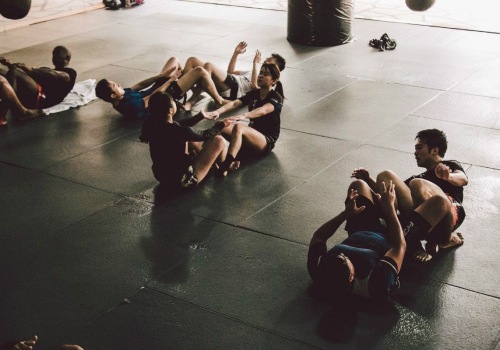
In the realm of mixed martial arts (MMA), training techniques and styles are as diverse as the fighters themselves.Modern MMA athletes engage in a rigorous training regimen that incorporates various martial arts disciplines, allowing them to develop a well-rounded skill set. This cross-training approach is essential for adapting to the multifaceted nature of competition. One of the primary training techniques in MMA is striking practice. Fighters often train in disciplines such as boxing, Muay Thai, and kickboxing to enhance their striking abilities. These striking arts focus on developing powerful punches, effective kicks, and knee strikes.
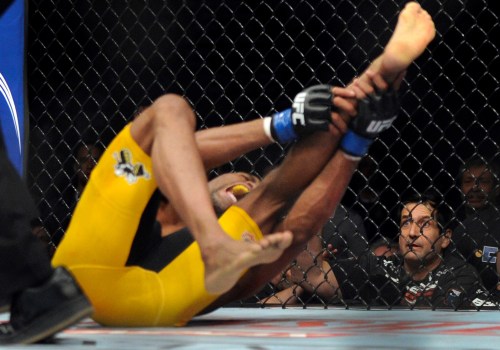
Boxers, for instance, emphasize footwork and head movement, while Muay Thai practitioners hone their clinch work and elbow strikes. By integrating these striking techniques, MMA fighters can create a versatile stand-up game. In addition to striking, grappling plays a crucial role in MMA training. Many fighters dedicate significant time to Brazilian jiu-jitsu (BJJ) and wrestling. BJJ focuses on ground fighting and submission techniques, teaching fighters how to control opponents on the mat and secure victories through joint locks or chokeholds.
Wrestling, on the other hand, emphasizes takedowns and positional control, allowing fighters to dictate where the fight takes place. The combination of these grappling styles equips MMA athletes with the tools needed to defend against takedowns while also executing their own.
Cross-training
is a hallmark of modern MMA preparation. Fighters often train in multiple disciplines simultaneously, allowing them to adapt their strategies based on their opponents' strengths and weaknesses. For example, a fighter may focus on improving their striking against an opponent known for their grappling prowess or vice versa.
This adaptability is crucial in a sport where matchups can vary significantly. Moreover, conditioning is an integral part of an MMA fighter's training regimen. Strength and conditioning coaches design programs that enhance endurance, strength, and agility. These programs often include high-intensity interval training (HIIT), weightlifting, and cardiovascular exercises tailored to mimic the demands of a fight. Finally, mental preparation cannot be overlooked. Many fighters engage in visualization techniques and mental conditioning exercises to enhance focus and resilience during competition.
This psychological aspect of training helps athletes manage stress and maintain composure under pressure. In summary, the training techniques employed by modern MMA fighters are diverse and multifaceted. By incorporating various martial arts styles through cross-training, focusing on both striking and grappling, enhancing physical conditioning, and prioritizing mental preparation, fighters equip themselves with the necessary skills to excel in the octagon.
The Cultural Impact of Mixed Martial Arts Today
Mixed martial arts (MMA) has transcended its origins as a niche combat sport to become a significant cultural phenomenon in contemporary society. Its impact is evident across various domains, including fitness trends, media representation, and the overall acceptance of MMA as a legitimate sport. One of the most notable influences of MMA is its effect on fitness culture. The rise of MMA has led to the proliferation of mixed martial arts gyms and training facilities worldwide.These establishments cater not only to aspiring fighters but also to individuals seeking a comprehensive workout that combines strength, agility, and endurance training. The popularity of classes such as Brazilian jiu-jitsu, Muay Thai, and kickboxing has surged, attracting people from all walks of life. This trend emphasizes functional fitness and self-defense skills, appealing to those who desire a more engaging alternative to traditional gym routines. Moreover, the portrayal of MMA in media has played a crucial role in shaping public perception. Major promotions like the UFC have invested heavily in marketing and broadcasting their events, showcasing the athleticism and skill involved in MMA.
Documentaries, reality shows, and films centered around fighters have further humanized the sport, allowing audiences to connect with athletes on a personal level. This representation has helped demystify MMA, transforming it from a misunderstood spectacle into a respected sport. The growing acceptance of MMA is also reflected in its inclusion in mainstream sports discussions and events. Once viewed with skepticism due to its brutal nature, MMA is now recognized for its strategic depth and athletic rigor. Major sports networks regularly cover MMA events, and universities are beginning to offer programs that include MMA training as part of their physical education curriculum. In addition to its influence on fitness and media, MMA has fostered a sense of community among practitioners and fans alike.
Events often draw large crowds, creating an electric atmosphere that unites people from diverse backgrounds. This communal aspect extends beyond the arena; online forums and social media platforms allow fans to engage in discussions about techniques, fighters, and upcoming events. In conclusion, the cultural impact of mixed martial arts today is profound and multifaceted. From revolutionizing fitness trends to reshaping media narratives and fostering community engagement, MMA has established itself as a significant force in modern society. As it continues to evolve, its influence will likely expand even further, solidifying its place in the cultural landscape.
Future Trends in Mixed Martial Arts
As mixed martial arts (MMA) continues to evolve, several trends are emerging that could shape the future of the sport.These trends encompass advancements in training methods, regulatory changes, global expansion, and the integration of technology.
Innovative Training Techniques
One of the most significant shifts in MMA training is the incorporation of scientific approaches to enhance performance. Coaches and athletes are increasingly utilizing data analytics to track performance metrics, allowing for tailored training regimens that focus on individual strengths and weaknesses. This data-driven approach not only optimizes training but also minimizes the risk of injury. Moreover, the rise of virtual reality (VR) technology is set to revolutionize how fighters prepare for bouts. VR can simulate fight scenarios, enabling fighters to practice techniques and strategies in a controlled environment.This immersive experience can enhance cognitive skills such as reaction time and decision-making under pressure.
Regulatory Developments
As MMA gains popularity worldwide, regulatory bodies are likely to implement more standardized rules and safety protocols. This could include stricter weight-cutting regulations to protect fighters' health and well-being. Additionally, there may be a push for more comprehensive medical examinations before fights, ensuring that athletes are fit to compete. Furthermore, as the sport becomes more mainstream, there is potential for increased governmental oversight. This could lead to the establishment of unified regulations across different regions, making it easier for promotions to operate internationally.Global Expansion
The global reach of MMA is expanding rapidly, with promotions like the UFC hosting events in various countries.This trend is likely to continue as more regions embrace the sport. Countries in Asia, Europe, and Africa are witnessing a surge in local promotions and training academies, fostering homegrown talent. As MMA becomes more accessible worldwide, we can expect an influx of diverse fighting styles and techniques that will enrich the sport's landscape. This cultural exchange will not only enhance competition but also attract a broader audience.
The Role of Technology
Technology will play a pivotal role in shaping the future of MMA. From advanced training equipment that monitors physiological responses to enhanced broadcasting techniques that provide fans with immersive viewing experiences, technology is set to redefine how we engage with the sport. Moreover, social media platforms will continue to be instrumental in promoting fighters and events.As athletes leverage these platforms to connect with fans and build their brands, we can expect a new generation of fighters who are not only skilled in combat but also savvy in marketing themselves. In conclusion, the future of mixed martial arts is poised for significant transformation. With innovative training methods, evolving regulations, global expansion, and technological advancements on the horizon, MMA is likely to grow into an even more dynamic and inclusive sport.
Conclusion: The Journey of Mixed Martial Arts Through Time
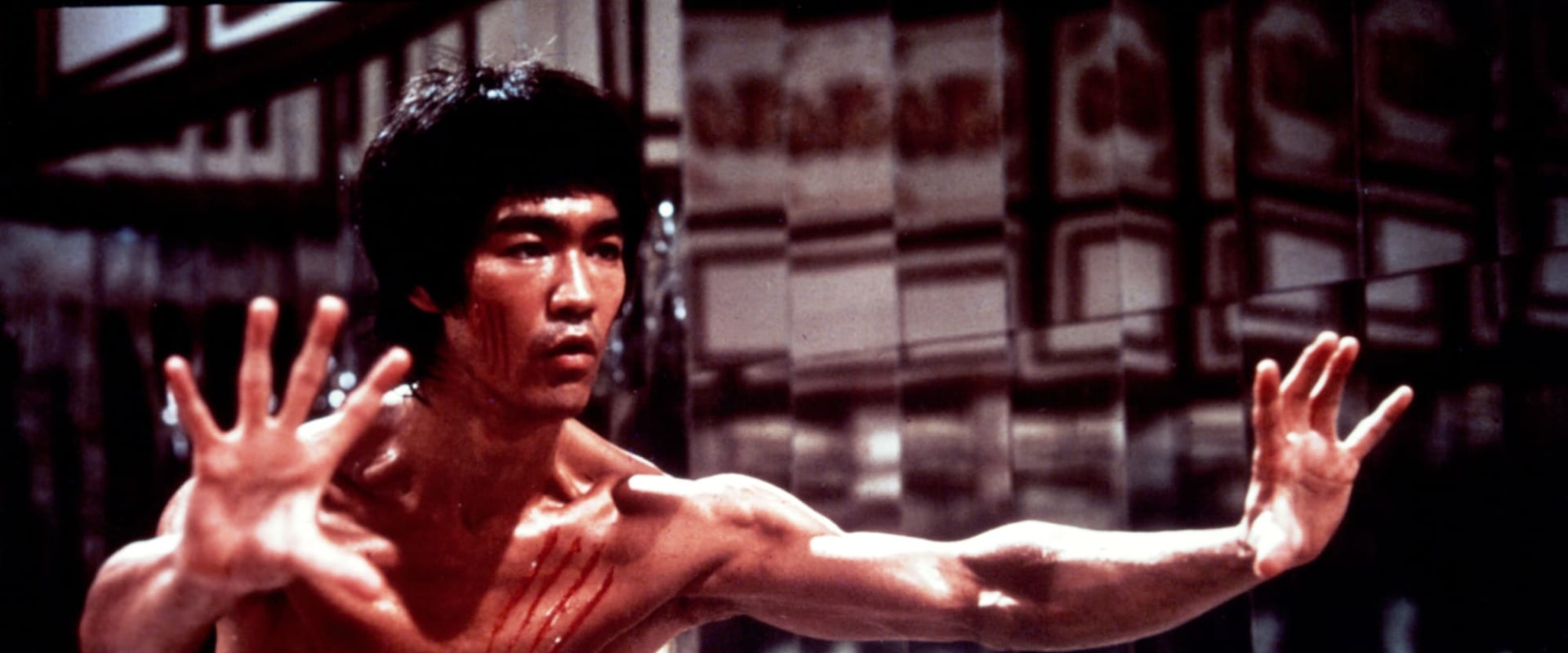
The evolution of mixed martial arts (MMA) is a fascinating journey that spans centuries, reflecting the cultural and social dynamics of various civilizations. From its ancient roots in Greece and China to its modern incarnation as a globally recognized sport, MMA has undergone significant transformations that have shaped its identity today. Initially, the concept of mixed combat was rooted in the necessity of survival and warfare. Ancient warriors utilized a combination of techniques to gain an advantage over their opponents, leading to the development of early forms of MMA such as pankration in Greece and hand-to-hand combat in China.These early practices laid the groundwork for what would eventually evolve into a structured sport. As we moved into the 20th century, the resurgence of interest in martial arts, particularly through figures like Bruce Lee, played a pivotal role in popularizing the idea of blending different fighting styles. Lee's philosophy emphasized adaptability and fluidity, encouraging practitioners to draw from various disciplines rather than confining themselves to a single style. This mindset was instrumental in shaping the modern landscape of MMA. The establishment of the Ultimate Fighting Championship (UFC) in 1993 marked a significant turning point for mixed martial arts. It provided a platform for fighters from diverse backgrounds to compete against one another, showcasing their unique skills and techniques.
The UFC's introduction of weight classes, safety regulations, and standardized rules helped legitimize MMA as a professional sport, attracting a wider audience and fostering its growth. Today, mixed martial arts is not just a sport; it is a cultural phenomenon that transcends borders. With millions of fans worldwide, it has become a source of inspiration for many individuals seeking physical fitness, self-defense skills, or simply an engaging form of entertainment. The accessibility of MMA training has also contributed to its popularity, allowing people from all walks of life to participate and experience its benefits. In conclusion, the journey of mixed martial arts through time is a testament to humanity's enduring quest for mastery over oneself and one's environment. As we look ahead, it is clear that MMA will continue to evolve, influenced by new techniques, training methodologies, and cultural exchanges.
The rich history of this sport serves as both a foundation and an inspiration for future generations of fighters and enthusiasts alike.