Know the whole fight.
Getting Started with Mixed Martial Arts: A Comprehensive Guide
Discover how to begin your journey in mixed martial arts with essential tips on training, equipment, and finding the right gym.
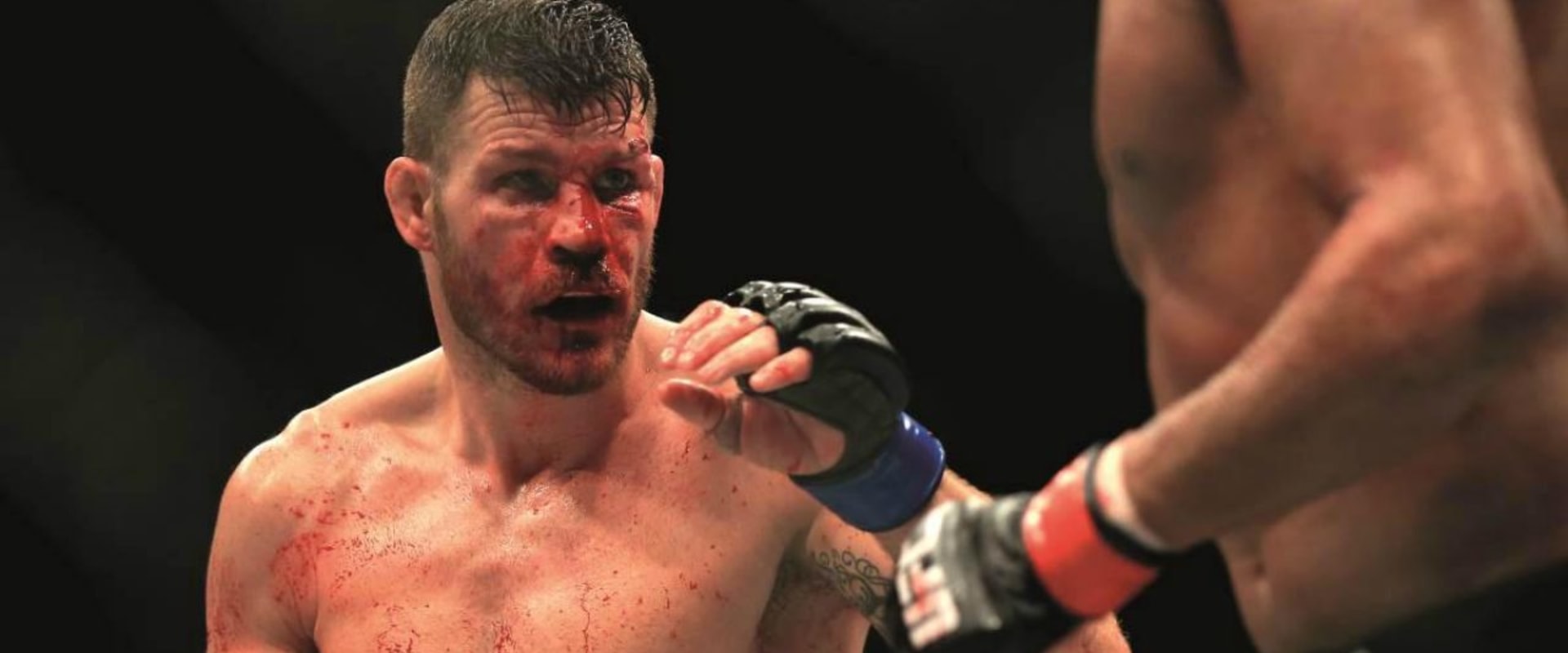
Mixed martial arts, commonly referred to as MMA, is a multifaceted combat sport that integrates various fighting styles and techniques from around the globe. It encompasses disciplines such as Brazilian Jiu-Jitsu, Muay Thai, boxing, wrestling, and more, allowing practitioners to develop a well-rounded skill set. This unique blend of martial arts not only makes MMA an exciting sport to watch but also a challenging and rewarding endeavor for those who choose to participate. As the sport has evolved over the years, it has gained immense popularity, attracting athletes and enthusiasts alike. The history of MMA can be traced back to ancient combat sports, but it gained significant recognition in the early 1990s with the establishment of organizations like the Ultimate Fighting Championship (UFC).
Initially viewed as a brutal spectacle, MMA has since transformed into a highly regulated sport with strict rules and safety measures. This evolution has contributed to its legitimacy and acceptance within the broader sporting community. Today, MMA is not only a competitive sport but also a means of personal development, self-discipline, and physical fitness. Engaging in MMA offers numerous benefits that extend beyond mere physical prowess. For many practitioners, it serves as an effective way to improve overall fitness levels, enhance cardiovascular health, and build strength and flexibility.
Additionally, training in mixed martial arts fosters mental resilience and discipline, teaching individuals how to set goals and work diligently towards achieving them. The camaraderie found in training environments also helps build lasting friendships and a sense of community among practitioners. Whether you are looking to compete at a high level or simply want to learn self-defense while getting in shape, mixed martial arts provides an excellent platform for personal growth and empowerment. With its rich history and diverse techniques, MMA is more than just a sport; it is a lifestyle that encourages individuals to push their limits and discover their true potential.
Understanding the Basics of Mixed Martial Arts
Mixed martial arts, commonly referred to as MMA, is a multifaceted sport that integrates various fighting styles and techniques. Understanding the fundamentals of MMA is crucial for anyone looking to embark on this exciting journey.At its core, MMA combines elements from several martial arts disciplines, each contributing unique skills and strategies to the sport.
Types of Martial Arts in MMA
- Boxing: This striking art focuses on punches, footwork, and head movement. Boxers develop exceptional hand speed and power, which are essential in stand-up fighting.
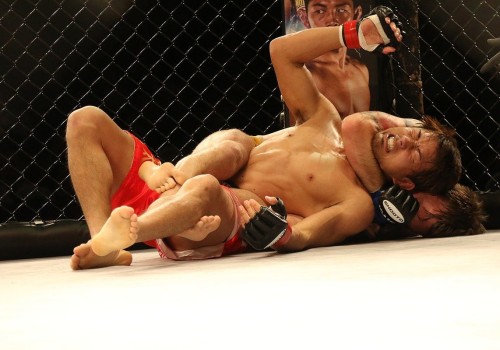
- Brazilian Jiu-Jitsu (BJJ): BJJ emphasizes ground fighting and submission holds. Practitioners learn how to control opponents on the ground and apply joint locks or chokeholds to secure victory.
- Muay Thai: Known as the "Art of Eight Limbs," Muay Thai incorporates punches, kicks, elbows, and knee strikes. Its clinch work is particularly effective in close-range combat.
- Wrestling: This discipline focuses on takedowns and grappling techniques.
Wrestlers excel at controlling opponents and dictating the pace of a fight.
- Kickboxing: Combining elements of boxing and karate, kickboxing allows for both punches and kicks, making it a versatile striking art.
MMA Rules
MMA is governed by a set of rules designed to ensure safety while allowing for a wide range of techniques. Here are some key rules that every aspiring fighter should be aware of:
- Weight Classes: Fighters compete in specific weight classes to ensure fair matchups.
- Rounds: Most professional MMA fights consist of three or five rounds, each lasting five minutes.
- Legal Techniques: Strikes using fists, elbows, knees, and feet are permitted; however, certain moves like headbutts or strikes to the back of the head are illegal.
- Submissions: Fighters can win by forcing their opponent to tap out through joint locks or chokeholds.
- Referee's Role: A referee oversees the fight, ensuring that rules are followed and intervening if a fighter is in danger.
Choosing the Right Gym for Your MMA Journey
Choosing the right gym is a crucial step in your journey into mixed martial arts.The right environment can significantly impact your training experience, motivation, and overall progress. Here are some key factors to consider when selecting an MMA gym:
- Location: Proximity to your home or workplace is essential. A gym that is conveniently located will encourage you to attend classes regularly. Consider the traffic patterns and parking availability as well.
- Coaching Staff: The quality of instruction is paramount.
Research the backgrounds of the coaches, their experience in MMA, and their teaching styles. Look for coaches who have competed at high levels and have a passion for teaching. A good coach should not only be knowledgeable but also supportive and able to provide personalized feedback.
- Class Offerings: Different gyms may focus on various aspects of MMA, such as striking, grappling, or self-defense. Ensure that the gym offers a well-rounded curriculum that includes classes in disciplines like Brazilian Jiu-Jitsu, Muay Thai, boxing, and wrestling.
This variety will help you develop a comprehensive skill set.
- Facility Quality: Visit the gym to assess its facilities. Look for clean training areas, proper equipment, and safety measures in place. A well-maintained gym with adequate space for sparring and drills can enhance your training experience.
- Community and Culture: The atmosphere of the gym can greatly influence your motivation. Attend a few trial classes to gauge the community vibe.
A supportive and friendly environment can make a significant difference in your training journey.
- Trial Classes: Many gyms offer free or low-cost trial classes. Take advantage of these opportunities to experience different gyms firsthand. This will allow you to assess the coaching style, class structure, and overall fit for your needs.
Essential Equipment for Beginners in MMA
When embarking on your journey into mixed martial arts (MMA), having the right equipment is crucial for both safety and performance.As a beginner, you may feel overwhelmed by the variety of gear available, but understanding the essentials will help you make informed choices. Below is a comprehensive list of the necessary equipment to get started in MMA.
- MMA Gloves: Unlike traditional boxing gloves, MMA gloves are designed to allow for grappling and striking. They typically have an open palm design, which provides better grip and dexterity. Look for gloves that offer adequate padding while still allowing you to feel your opponent's movements.
- Shin Guards: Protecting your shins is vital, especially when practicing kicks or sparring.
Shin guards come in various styles, including slip-on and strap-on types. Choose a pair that fits snugly and offers sufficient protection without hindering your movement.
- Headgear: While not always mandatory, headgear can provide additional protection during sparring sessions. It helps reduce the risk of head injuries and allows you to train with more confidence. Look for headgear that offers good visibility and comfort.
- Protective Cup: For male practitioners, wearing a protective cup is essential to safeguard against accidental strikes to sensitive areas.
Ensure that it fits securely and comfortably under your training attire.
- Mouthguard: A mouthguard is crucial for protecting your teeth and jaw during training and sparring. Custom-fitted mouthguards offer the best protection, but boil-and-bite options are also effective for beginners.
- Training Attire: Comfortable clothing is important for unrestricted movement during training. Many practitioners opt for rash guards or moisture-wicking shirts paired with shorts or leggings. Ensure your attire allows for flexibility and breathability.
- Water Bottle: Staying hydrated is key during intense training sessions.
Always bring a water bottle to keep yourself refreshed throughout your workouts.
Training Techniques and Strategies in Mixed Martial Arts
Training in mixed martial arts (MMA) requires a multifaceted approach that encompasses various techniques and strategies. To excel in this sport, practitioners must develop skills in striking, grappling, and conditioning. Below, we explore effective training methods that can help you become a well-rounded fighter.Striking Techniques
Striking is a crucial component of MMA, and it includes techniques from disciplines such as boxing, Muay Thai, and kickboxing.Here are some key striking techniques to focus on:
- Punches: Mastering different types of punches—such as jabs, crosses, hooks, and uppercuts—is essential. Regularly practicing these techniques on pads or with a partner can improve your speed and accuracy.
- Kicks: Incorporate various kicks into your training, including roundhouse kicks, front kicks, and low kicks. Each kick serves a different purpose and can be used strategically during a fight.
- Elbows and Knees: These close-range striking techniques are particularly effective in clinch situations. Practicing elbow strikes and knee strikes can enhance your ability to inflict damage when opponents are within reach.
Grappling Techniques
Grappling is another vital aspect of MMA that includes wrestling, Brazilian Jiu-Jitsu (BJJ), and judo.Here are some essential grappling techniques:
- Takedowns: Learning various takedown techniques will allow you to bring your opponent to the ground effectively. Focus on mastering single-leg and double-leg takedowns.
- Submissions: BJJ plays a significant role in MMA; therefore, understanding submission holds like arm bars, chokes, and leg locks is crucial for controlling opponents on the ground.
- Defensive Grappling: Equally important is the ability to defend against takedowns and submissions. Drilling defensive maneuvers will help you stay safe while looking for opportunities to counterattack.
Conditioning Strategies
A strong physical condition is vital for success in MMA. Here are some conditioning strategies to incorporate into your training regimen:- Cardiovascular Training: Engage in activities like running, cycling, or swimming to build endurance.
High-intensity interval training (HIIT) can also be beneficial for simulating fight conditions.
- Strength Training: Focus on compound movements such as squats, deadlifts, and bench presses to build overall strength. Incorporating bodyweight exercises like push-ups and pull-ups can also enhance functional strength.
- Flexibility Training: Regular stretching or yoga sessions can improve flexibility, which is essential for executing various techniques effectively and preventing injuries.
Setting Realistic Goals in Your MMA Training
Setting achievable goals is a crucial aspect of your journey in mixed martial arts (MMA). Whether you are a beginner or an experienced fighter, having clear objectives can significantly enhance your training experience and keep you motivated.Here’s how to effectively set realistic goals in your MMA training.
Understand Your Starting Point
Before you can set goals, it’s essential to assess your current skill level. Are you completely new to martial arts, or do you have experience in a specific discipline? Understanding where you stand will help you create a roadmap for your progress. Take the time to evaluate your strengths and weaknesses, as this will inform the types of goals you should set.
SMART Goals Framework
One effective method for goal setting is the SMART criteria, which stands for Specific, Measurable, Achievable, Relevant, and Time-bound. Here’s how to apply this framework:
- Specific: Define what exactly you want to achieve.
Instead of saying "I want to get better at MMA," specify "I want to improve my striking technique in Muay Thai."
- Measurable: Establish criteria for measuring progress. For example, track the number of rounds you can spar or the number of techniques you can execute correctly.
- Achievable: Set goals that are challenging yet attainable. If you're a beginner, aiming to compete in a professional fight within six months may not be realistic.
- Relevant: Ensure that your goals align with your overall aspirations in MMA. If self-defense is your primary motivation, focus on practical techniques rather than competition skills.
- Time-bound: Set deadlines for your goals.
For instance, aim to master a specific technique within three months.
Track Your Progress
Keeping a training journal can be an invaluable tool for tracking your progress. Documenting your workouts, techniques learned, and personal reflections will help you see how far you've come and identify areas that need improvement. Regularly reviewing your journal can also serve as a motivational boost when you feel discouraged.
Stay Flexible
Your goals may need adjustment as you progress in your training. Life circumstances, injuries, or changes in interest can all impact your ability to meet certain objectives.
Be open to revising your goals while maintaining a focus on continuous improvement. In conclusion, setting realistic goals in mixed martial arts is essential for tracking progress and maintaining motivation. By understanding your starting point, applying the SMART framework, tracking your progress, and staying flexible, you can create a fulfilling and effective training experience that leads to success in MMA.
Common Challenges Faced by Beginners in Mixed Martial Arts
Starting your journey in mixed martial arts (MMA) can be both exhilarating and daunting. As a beginner, you may encounter several challenges that can test your resolve and commitment. Understanding these common obstacles is the first step toward overcoming them and making the most of your training experience.Physical Conditioning
One of the most significant challenges for beginners is physical conditioning.MMA requires a unique blend of strength, endurance, flexibility, and agility. If you are new to fitness or have not engaged in regular physical activity, you may find the initial training sessions to be overwhelming.
- Tip: Start with a basic fitness routine that includes cardiovascular exercises, strength training, and flexibility workouts. Gradually increase the intensity as your body adapts.
Technical Skills
MMA encompasses various martial arts disciplines, including Brazilian Jiu-Jitsu, Muay Thai, boxing, and wrestling. As a beginner, mastering these techniques can feel like an uphill battle.- Tip: Focus on one discipline at a time.
Attend classes regularly and practice the fundamentals before moving on to more advanced techniques. Consistency is key.
Mental Barriers
The mental aspect of training can be just as challenging as the physical side. Many beginners struggle with self-doubt, fear of injury, or anxiety about sparring with more experienced fighters.- Tip: Set realistic goals for yourself and celebrate small victories along the way. Surround yourself with supportive training partners who encourage you to push through your fears.
Finding the Right Gym
Choosing the right gym can also pose a challenge.Not all facilities offer the same quality of instruction or training environment. A poor fit can lead to frustration and hinder your progress.
- Tip: Research local gyms by reading reviews and visiting them in person. Look for a facility that emphasizes safety, has qualified instructors, and fosters a positive atmosphere.
The Importance of Nutrition and Recovery in MMA Training
In the world of mixed martial arts (MMA), the significance of nutrition and recovery cannot be overstated.These two elements are crucial for enhancing performance, preventing injuries, and ensuring that fighters can train effectively. A well-structured diet and recovery plan can make a substantial difference in a fighter's overall success.
Nutrition for MMA Fighters
A balanced diet tailored to the specific needs of MMA training is essential. Fighters require a mix of macronutrients—carbohydrates, proteins, and fats—to fuel their workouts and aid in recovery. Here are some key components to consider:- Carbohydrates: These are the primary energy source for high-intensity training.
Whole grains, fruits, and vegetables should be staples in an MMA fighter's diet.
- Proteins: Essential for muscle repair and growth, proteins should come from lean sources such as chicken, fish, eggs, and plant-based options like beans and lentils.
- Fats: Healthy fats from sources like avocados, nuts, and olive oil support hormone production and overall health.
Recovery Tips for Martial Artists
Recovery is just as important as training itself. Without adequate recovery, fighters risk burnout and injury.Here are some effective recovery techniques:
- Hydration: Staying hydrated is crucial for optimal performance and recovery. Water helps transport nutrients and flush out toxins.
- Sleep: Quality sleep is essential for muscle recovery and mental sharpness. Aim for 7-9 hours of uninterrupted sleep each night.
- Active Recovery: Engaging in low-intensity activities like walking or yoga can promote blood flow and help alleviate soreness.
- Stretching and Foam Rolling: Incorporating stretching routines and foam rolling can enhance flexibility and reduce muscle tightness.
Finding Community and Support in Mixed Martial Arts
Engaging with a community is one of the most rewarding aspects of training in mixed martial arts (MMA).The journey into this multifaceted sport can be daunting, but having a supportive network can significantly enhance your experience and growth. Here’s how finding community and support in MMA can benefit you.
The Importance of Community Support
When you step into an MMA gym, you’re not just entering a place to train; you’re joining a community of like-minded individuals who share your passion for martial arts. This sense of belonging can provide motivation and encouragement, especially during challenging times. Training can be physically and mentally demanding, and having a support system helps you stay committed to your goals.Finding Training Partners
One of the key components of improving your skills in MMA is finding reliable training partners.These individuals can help you practice techniques, spar, and provide constructive feedback. Here are some tips for finding training partners:
- Join Local Gyms: Look for reputable MMA gyms in your area. Many gyms foster a welcoming environment where members are encouraged to train together.
- Participate in Classes: Attend various classes to meet fellow practitioners. Engaging with different styles can also broaden your skill set.
- Attend Open Mat Sessions: Many gyms offer open mat times where members can come together to train informally.
This is an excellent opportunity to connect with others.
Benefits of Joining an MMA Community
The advantages of being part of an MMA community extend beyond just training. Here are some key benefits:- Shared Knowledge: Learning from others who have more experience can accelerate your progress. You’ll gain insights into techniques, strategies, and training regimens that you might not discover on your own.
- Mental Resilience: Training alongside others fosters camaraderie and accountability. When you see your peers pushing through challenges, it inspires you to do the same.
- Networking Opportunities: Being part of an MMA community opens doors to competitions, seminars, and workshops that can further enhance your skills and knowledge.
By actively engaging with fellow practitioners, you not only improve your abilities but also create lasting friendships that enrich your journey in this exciting sport.
Conclusion: Your Path Forward in Mixed Martial Arts
As we conclude our exploration of mixed martial arts, it's essential to reflect on the journey ahead. Whether you are a complete novice or someone with prior martial arts experience, the world of MMA offers a unique blend of physical fitness, self-defense skills, and personal growth. Throughout this article, we have discussed the fundamental aspects of getting started in mixed martial arts. From understanding the various disciplines involved—such as Brazilian Jiu-Jitsu, Muay Thai, and boxing—to the importance of finding a reputable gym and instructor, each step is crucial in your development as a fighter. Here are some key takeaways to keep in mind:- Commitment to Training: Regular attendance at classes is vital. Consistency will not only enhance your skills but also build your confidence in the ring.
- Equipment Essentials: Investing in quality gear is important for both safety and performance.
Make sure you have the right gloves, mouthguard, and training attire.
- Focus on Fundamentals: Mastering the basics is critical. Spend time honing your striking and grappling techniques before moving on to more advanced maneuvers.
- Physical Conditioning: MMA requires a high level of fitness. Incorporate strength training, cardio, and flexibility exercises into your routine to improve your overall performance.
- Mental Resilience: The mental aspect of fighting is just as important as the physical. Develop a strong mindset to overcome challenges and setbacks.
Embrace the learning process, celebrate small victories, and don't be afraid to ask questions or seek guidance from more experienced practitioners. The MMA community is known for its camaraderie and support, so take advantage of that. In conclusion, mixed martial arts is not just about fighting; it’s about personal development, discipline, and resilience. By taking that first step into a gym and committing to your training, you are opening the door to a world filled with opportunities for growth—both physically and mentally. So lace up your gloves, step onto the mat, and begin your journey in mixed martial arts today!.