Know the whole fight.
Why Mixed Martial Arts is the Ultimate Combat Sport
Discover why Mixed Martial Arts (MMA) is considered the best combat sport, offering versatility, community, and effective self-defense techniques.
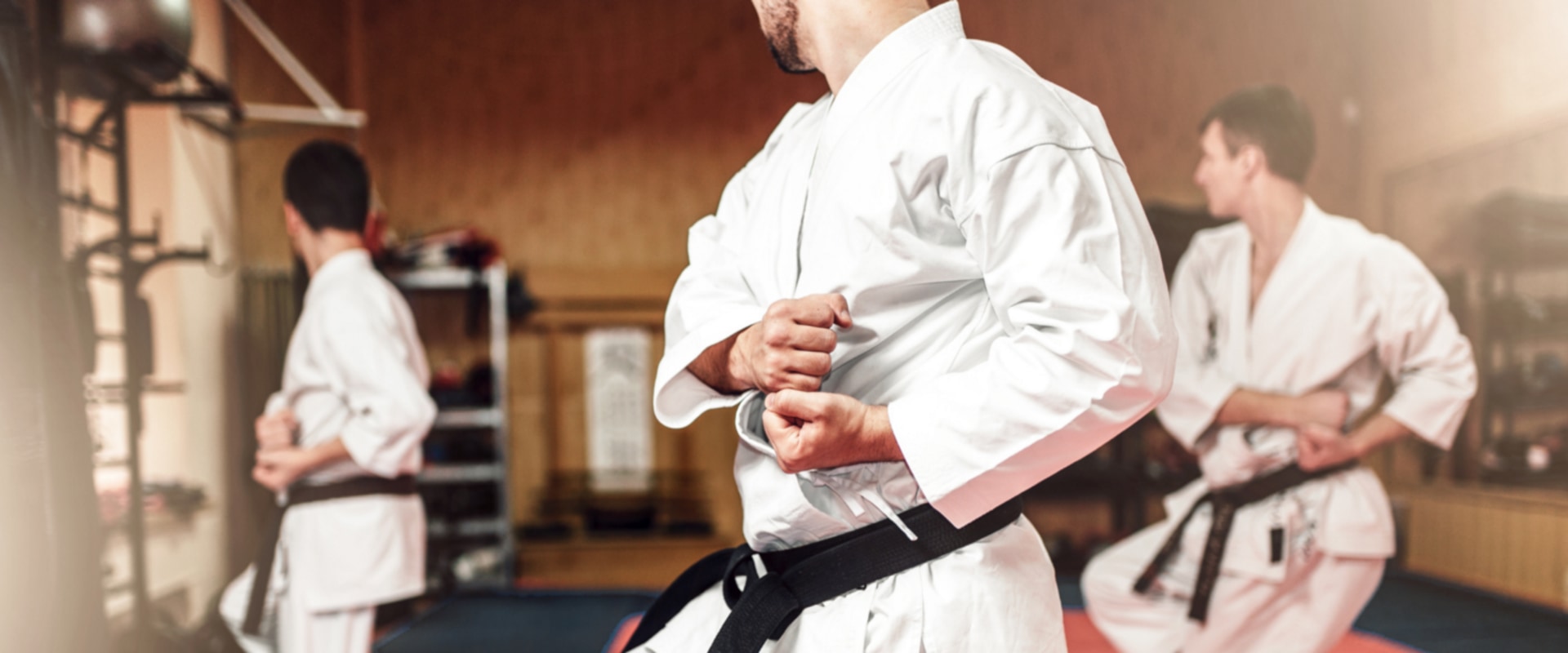
Mixed Martial Arts, commonly referred to as MMA, is a dynamic and multifaceted combat sport that integrates various martial arts disciplines, allowing fighters to utilize a wide array of techniques. This unique blend of styles not only enhances the effectiveness of self-defense but also provides a comprehensive full-body workout. The essence of MMA lies in its versatility; competitors can draw from disciplines such as Brazilian Jiu-Jitsu, Muay Thai, boxing, and wrestling, creating a rich tapestry of fighting techniques that cater to individual strengths and preferences. The history of MMA is as diverse as the techniques it encompasses. Its roots can be traced back to ancient combat sports, but the modern incarnation began to take shape in the early 1990s with the establishment of the Ultimate Fighting Championship (UFC).
Initially, MMA was viewed with skepticism and controversy due to its no-holds-barred nature. However, as regulations were introduced and the sport evolved, it gained legitimacy and respect within the athletic community. Today, MMA is recognized globally, with millions of fans and participants who appreciate its competitive spirit and athleticism. Engaging in MMA offers numerous benefits that extend beyond physical fitness. Practitioners develop not only strength and endurance but also mental resilience and discipline.
The rigorous training involved in mastering various martial arts techniques fosters a sense of camaraderie among fighters while promoting respect for different fighting styles. Furthermore, MMA training can serve as an effective stress reliever, providing an outlet for individuals to channel their energy positively. As the sport continues to grow in popularity, it becomes increasingly clear why MMA is celebrated as one of the best combat sports available today.
The Unique Nature of Mixed Martial Arts
Mixed Martial Arts (MMA) stands out as a revolutionary combat sport that transcends the limitations of traditional martial arts. One of the most compelling aspects of MMA is its versatility.Unlike conventional martial arts, which often focus on a single style or technique, MMA integrates a multitude of fighting disciplines, allowing practitioners to adapt and evolve their skills in real-time during a match. This adaptability is crucial in a sport where opponents may employ vastly different strategies. For instance, a fighter trained in Brazilian Jiu-Jitsu may excel in grappling and submissions, while another with a background in Muay Thai might dominate striking exchanges. The ability to switch between these styles not only enhances a fighter's effectiveness but also makes each bout unpredictable and exciting. Furthermore, MMA encourages cross-training among various martial arts. Fighters often incorporate techniques from boxing, wrestling, kickboxing, and even traditional martial arts like karate or taekwondo into their training regimens.
This blending of styles fosters a deeper understanding of combat dynamics and promotes respect for each discipline's unique strengths. In contrast to traditional martial arts, which may emphasize forms or kata, MMA focuses on practical application and real-world scenarios. Training sessions often simulate actual fight conditions, allowing fighters to practice techniques against resisting opponents. This realistic approach not only prepares athletes for competition but also equips them with valuable self-defense skills applicable in everyday situations. Moreover, the culture surrounding MMA is distinctively inclusive. It welcomes individuals from diverse backgrounds and skill levels, breaking down barriers that often exist in more traditional martial arts settings.
This inclusivity fosters a sense of community among practitioners, encouraging mutual support and camaraderie. In summary, the unique nature of Mixed Martial Arts lies in its versatility and the integration of various fighting styles. By embracing a holistic approach to combat training, MMA not only enhances athletic performance but also cultivates respect for the rich traditions of all martial arts involved.
The Effectiveness of Mixed Martial Arts Techniques
Mixed Martial Arts (MMA) is renowned for its diverse range of techniques, which can be broadly categorized into two main disciplines: striking and grappling. Each of these areas brings unique advantages to the octagon, and understanding their effectiveness is crucial for any aspiring fighter.Striking Techniques in MMA
Striking encompasses a variety of techniques that involve hitting an opponent with punches, kicks, elbows, and knees. The most prominent striking arts that contribute to MMA include:- Boxing: Known for its emphasis on footwork, head movement, and powerful punches, boxing provides fighters with the ability to deliver quick and effective strikes while maintaining defensive posture.
- Muay Thai: Often referred to as the "Art of Eight Limbs," Muay Thai utilizes punches, kicks, elbows, and knees.
Its clinch work is particularly effective in close-range combat, allowing fighters to control their opponents while delivering devastating strikes.
- Kickboxing: This hybrid martial art combines elements of traditional boxing with kicks. Kickboxers are trained to strike from various angles and distances, making them versatile strikers in MMA.
The Role of Grappling in MMA
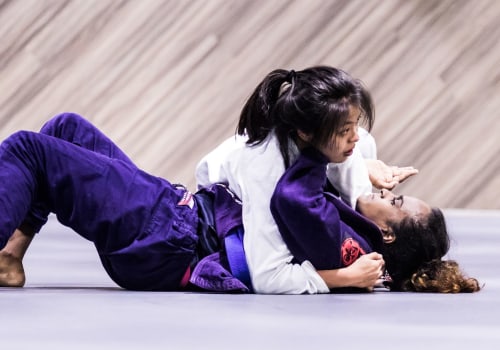
Grappling techniques focus on controlling an opponent through holds, takedowns, and submissions. The most influential grappling arts in MMA include:- Brazilian Jiu-Jitsu (BJJ): BJJ emphasizes ground fighting and submission holds. Its effectiveness lies in the ability to neutralize larger opponents through leverage and technique, making it a cornerstone of MMA training.
- Wrestling: With a focus on takedowns and positional control, wrestling provides fighters with the ability to dictate where the fight takes place—whether standing or on the ground.
Wrestlers often excel at maintaining top position and avoiding submissions.
- Sambo: This Russian martial art combines elements of judo and wrestling. Sambo practitioners are skilled in both striking and grappling, making them well-rounded competitors in MMA.
Physical and Mental Benefits of Training in MMA
Training in mixed martial arts (MMA) offers a plethora of physical and mental health benefits that extend far beyond the confines of the gym or the octagon.Engaging in this multifaceted sport not only enhances physical fitness but also cultivates mental resilience, making it an ideal choice for individuals seeking a holistic approach to health.
Physical Benefits of MMA Training
- Improved Cardiovascular Health: MMA training is an intense workout that elevates the heart rate, promoting cardiovascular endurance. Regular participation can lead to a stronger heart and improved circulation, reducing the risk of heart disease.
- Increased Strength and Flexibility: The diverse techniques involved in MMA, such as striking, grappling, and ground fighting, require and develop strength across various muscle groups. Additionally, the dynamic movements enhance flexibility, which is crucial for injury prevention.
- Weight Management: The rigorous training sessions burn significant calories, making MMA an effective way to manage weight. Participants often find that they can achieve their fitness goals more efficiently through this engaging form of exercise.
- Enhanced Coordination and Balance: The complex movements in MMA require coordination and balance, which improve over time with practice.
This not only benefits fighters in the ring but also translates to better performance in everyday activities.
Mental Benefits of MMA Training
- Stress Relief: Physical activity is a well-known stress reliever, and MMA is no exception. The focus required during training helps practitioners channel their energy positively, reducing anxiety and promoting mental clarity.
- Boosted Confidence: Mastering new techniques and improving skills in MMA can significantly boost self-esteem. As individuals progress in their training, they often feel more empowered both inside and outside the gym.
- Mental Toughness: The challenges faced during MMA training foster resilience. Fighters learn to push through discomfort and setbacks, developing a strong mindset that can be applied to various aspects of life.
- Discipline and Focus: Training in mixed martial arts requires dedication and concentration.
Practitioners learn to set goals, stay committed to their training regimen, and maintain focus during challenging situations.
The Community and Culture Surrounding Mixed Martial Arts
The MMA community is one of the most vibrant and supportive networks in the world of sports. Unlike many traditional sports, where competition can often breed animosity, the culture surrounding mixed martial arts is characterized by a profound sense of camaraderie and mutual respect among practitioners. This unique environment fosters not only personal growth but also collective improvement, as fighters and enthusiasts come together to share knowledge, techniques, and experiences. At the heart of this community are local gyms and training facilities that serve as hubs for aspiring fighters and seasoned veterans alike.These spaces are more than just places to train; they are sanctuaries where individuals from diverse backgrounds unite with a common goal: to improve their skills and support one another in their journeys. The friendships formed in these environments often extend beyond the gym, creating a tight-knit family that celebrates each other's successes and provides encouragement during setbacks. Moreover, the culture of mixed martial arts emphasizes respect for all martial arts disciplines. Practitioners often cross-train in various styles, such as Brazilian Jiu-Jitsu, Muay Thai, and wrestling, which cultivates an appreciation for the intricacies of each art. This cross-pollination of techniques not only enhances individual skill sets but also enriches the overall MMA community by promoting a culture of learning and adaptability. Support in MMA training is also evident through mentorship programs and partnerships within gyms.
More experienced fighters often take on the role of coaches or mentors for newcomers, guiding them through the complexities of training and competition. This mentorship is invaluable, as it helps to instill discipline, resilience, and a strong work ethic in new practitioners. Additionally, many gyms host events such as sparring sessions, seminars, and competitions that encourage participation and foster a sense of belonging. Furthermore, the global reach of mixed martial arts has led to the formation of online communities where enthusiasts can connect regardless of geographical barriers. Social media platforms and forums allow fighters to share their experiences, seek advice, and celebrate achievements with a broader audience.
This digital aspect of the MMA culture enhances connectivity among practitioners worldwide, creating an inclusive environment that transcends borders. In conclusion, the community and culture surrounding mixed martial arts are integral to its appeal. The support system established within gyms, the respect for diverse martial arts disciplines, mentorship opportunities, and global connectivity all contribute to a rich tapestry that defines MMA. As more individuals embrace this sport, the community continues to grow stronger, fostering an environment where everyone can thrive.
Women in Mixed Martial Arts
The landscape of mixed martial arts has undergone a remarkable transformation over the past few decades, particularly with the rise of women in the sport. Female fighters have not only carved out their own space within MMA but have also played a pivotal role in elevating the sport's profile globally. One of the most significant milestones in women's MMA was the emergence of Ronda Rousey , who became a household name and a symbol of female empowerment in combat sports.Rousey, a former Olympic judo medalist, was instrumental in bringing women's MMA to the forefront, showcasing that women could compete at the highest levels. Her success in the UFC helped to legitimize female fighters and opened doors for many others to follow in her footsteps. Following Rousey, other notable fighters such as Amanda Nunes , Valentina Shevchenko , and Joanna Jedrzejczyk have further solidified women's presence in MMA. Nunes, often regarded as one of the greatest female fighters of all time, has held titles in two weight classes simultaneously, demonstrating the depth of talent among women in this sport. Shevchenko's technical prowess and striking skills have made her a fan favorite, while Jedrzejczyk's fierce competitiveness has earned her respect across the MMA community. The growth of women's MMA can also be attributed to increased visibility and support from major promotions like the UFC.
The introduction of female divisions has not only provided opportunities for aspiring fighters but has also attracted a new audience eager to watch high-level competition. Events featuring female fighters often draw significant viewership, proving that there is a strong market for women's MMA. Moreover, grassroots initiatives and organizations dedicated to promoting women's participation in martial arts have emerged, encouraging young girls to take up training. Programs aimed at self-defense and fitness have become increasingly popular, fostering a new generation of female athletes who aspire to compete professionally. As we look to the future, it is clear that women will continue to play an essential role in shaping the world of mixed martial arts. With ongoing support and recognition, female fighters are poised to break more barriers and inspire countless others to pursue their dreams within this dynamic sport.
MMA as a Pathway to Self-Defense and Personal Development
Training in mixed martial arts (MMA) offers a multifaceted approach to self-defense that goes beyond mere physical techniques.It equips practitioners with the skills and confidence necessary to handle real-life confrontations effectively. Unlike traditional martial arts that may focus on specific techniques or forms, MMA combines various disciplines, allowing individuals to adapt their strategies based on the situation at hand. One of the most significant advantages of MMA training is its emphasis on practical self-defense. Participants learn to defend against a wide range of attacks, whether standing or on the ground. This comprehensive training prepares them for unpredictable scenarios, making it a valuable skill set for personal safety.
Here are some key aspects of how MMA serves as an effective self-defense method:
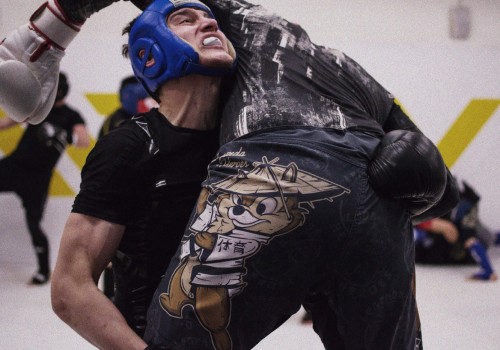
- Realistic Sparring: MMA training often includes sparring sessions that simulate real fight conditions. This experience helps practitioners understand timing, distance, and the psychological aspects of confrontation.
- Versatile Techniques: By integrating techniques from various martial arts such as Brazilian Jiu-Jitsu, Muay Thai, and boxing, MMA provides a diverse toolkit for self-defense. This versatility allows individuals to respond effectively to different types of attacks.
- Situational Awareness: Training in MMA enhances situational awareness, teaching individuals to assess their environment and recognize potential threats before they escalate.
- Confidence Building: As practitioners progress through their training, they gain confidence in their abilities.
Mastering new techniques and overcoming challenges in the gym translates into increased self-assurance in everyday life.
- Goal Setting: The structured nature of MMA training encourages goal setting and achievement. Whether it’s mastering a new technique or preparing for a competition, setting and reaching goals fosters a sense of accomplishment.
- Resilience: Training in MMA often involves facing setbacks, whether through tough sparring sessions or competition losses. Learning to persevere through these challenges builds mental toughness and resilience.
The Future of Mixed Martial Arts
The landscape of mixed martial arts (MMA) is continuously evolving, and the future promises to be as dynamic as the sport itself.As we look ahead, several trends are emerging that could significantly shape the way MMA is practiced, perceived, and enjoyed by fans around the world.
Innovative Training Methods
One of the most notable trends in the future of MMA is the evolution of training methodologies. Traditional training regimens are being supplemented with advanced technology and scientific approaches. For instance, fighters are increasingly utilizing data analytics to track their performance metrics, allowing for tailored training programs that focus on individual strengths and weaknesses. Moreover, virtual reality (VR) and augmented reality (AR) technologies are beginning to play a role in training. These tools can simulate fight scenarios, enabling fighters to practice techniques in a controlled environment without the physical toll of sparring.This shift not only enhances skill development but also reduces the risk of injury during training.
Changes in Rules and Regulations
As MMA continues to gain popularity, there may be shifts in rules and regulations aimed at enhancing fighter safety and promoting fair competition. Organizations like the UFC are already exploring changes that could include stricter weight-cutting protocols and enhanced medical evaluations before fights. These adjustments aim to protect fighters from health risks associated with extreme weight cuts and ensure they compete at their best.Emerging Stars
The future of mixed martial arts is also brightened by a new generation of fighters who are making waves in the sport. Young athletes from diverse backgrounds are entering the octagon with unique skill sets that blend various martial arts disciplines.Fighters like Khamzat Chimaev and Jamahal Hill have already begun to capture the attention of fans and analysts alike, showcasing their potential to become future champions. Additionally, women’s MMA is poised for significant growth, with rising stars such as Amanda Lemos and Mackenzie Dern leading the charge. Their success not only inspires a new wave of female fighters but also contributes to a more inclusive environment within the sport. In conclusion, the future of mixed martial arts is set to be shaped by innovative training methods, evolving regulations, and a new generation of talented fighters. As these elements converge, they will undoubtedly enhance the sport's appeal and ensure its continued growth on both national and global stages.
Conclusion: The Case for Mixed Martial Arts as the Best Combat Sport
In conclusion, the case for mixed martial arts as the premier combat sport is compelling and multifaceted. Throughout this article, we have explored various aspects that highlight its unique advantages over traditional martial arts and other combat sports. One of the most significant factors is the versatility that mixed martial arts offers.By integrating techniques from a wide array of disciplines such as Muay Thai, Brazilian Jiu-Jitsu, boxing, and wrestling, MMA fighters are equipped with a comprehensive skill set that allows them to adapt to any situation in the ring or cage. This adaptability not only enhances their performance but also makes training more engaging and effective. Moreover, the emphasis on real-world application sets mixed martial arts apart from many other martial arts forms. While traditional styles often focus on forms and techniques that may not translate directly to self-defense scenarios, MMA prioritizes practical skills that can be utilized in actual confrontations. This focus on realism fosters a deeper understanding of combat dynamics and prepares fighters for the unpredictability of real-life situations. The community aspect of mixed martial arts also plays a crucial role in its appeal.
Fighters and practitioners often form strong bonds through shared experiences in training and competition. This camaraderie not only enhances motivation but also creates a supportive environment where individuals can grow both physically and mentally. Furthermore, the inclusivity of mixed martial arts cannot be overlooked. With opportunities for both men and women to compete at high levels, MMA has become a platform for athletes from diverse backgrounds to showcase their talents. This inclusivity promotes equality in sports and encourages more individuals to participate, regardless of gender or age. Ultimately, mixed martial arts stands out as the best combat sport due to its combination of versatility, practicality, community support, and inclusivity.
As it continues to evolve and gain popularity worldwide, it is clear that MMA not only provides an exceptional avenue for physical fitness but also cultivates respect for various martial arts disciplines. For anyone seeking a comprehensive approach to self-defense or simply looking for an exhilarating sport, mixed martial arts is undoubtedly the best choice.