Know the whole fight.
Understanding the Two Types of Martial Arts: A Deep Dive into Mixed Martial Arts
Discover the two main types of martial arts, focusing on traditional styles and the rise of mixed martial arts (MMA) in today's society.
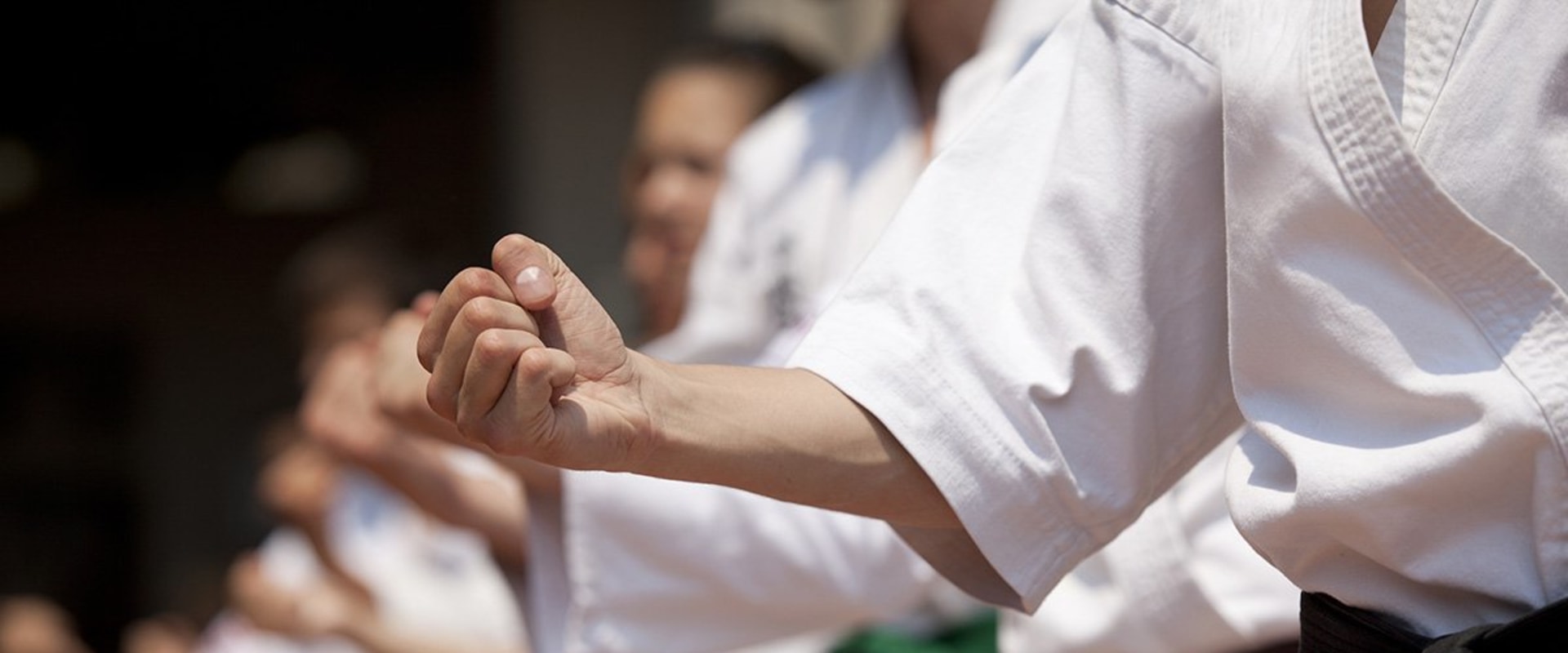
Martial arts encompass a diverse range of practices that blend physical skill, mental discipline, and cultural heritage. Originating from various parts of the world, these combat systems have evolved over centuries, serving multiple purposes from self-defense to spiritual development. The term "martial arts" itself refers to any form of combat training that emphasizes techniques for fighting, self-discipline, and personal growth. As societies have changed, so too have the styles and philosophies behind these practices, leading to the rich tapestry of martial arts we see today. Historically, martial arts were developed for practical reasons—primarily for warfare and self-defense.
However, as time progressed, many forms transitioned into sports or methods of personal development. For instance, disciplines like Karate and Taekwondo emphasize striking techniques and are often practiced in competitive settings. Others, such as Jiu-Jitsu and Aikido, focus on grappling and joint locks, highlighting the importance of technique over brute strength. This evolution reflects not only changes in societal needs but also a growing appreciation for the philosophical aspects of martial arts. Among the myriad styles available today, two primary categories emerge: traditional martial arts and modern mixed martial arts (MMA).
Traditional martial arts often adhere to established forms and techniques passed down through generations, while MMA represents a more contemporary approach that combines elements from various disciplines. This blending of styles has made MMA particularly popular in recent years, attracting practitioners from all walks of life who seek both physical fitness and competitive opportunities. The significance of mixed martial arts cannot be overstated; it has revolutionized how we view combat sports and self-defense training. By integrating techniques from different martial arts, MMA not only enhances a fighter's versatility but also promotes a deeper understanding of various fighting philosophies. As we delve deeper into the two main types of martial arts, it becomes clear that both traditional practices and modern innovations like MMA play crucial roles in shaping the future of martial arts.
The Evolution of Martial Arts
The history of martial arts is a rich tapestry woven from the threads of various cultures, philosophies, and practical needs.Its origins can be traced back thousands of years, with evidence suggesting that early forms of combat training were practiced in ancient civilizations such as China, India, and Greece. These early martial arts were often tied to military training and self-defense, reflecting the societal needs of their time. In ancient China, martial arts began to take shape around 3000 BCE, with the development of techniques that emphasized both physical prowess and mental discipline. The legendary figure of Bodhidharma is often credited with introducing martial arts to the Shaolin Temple, where monks practiced combat techniques as a means of self-defense and spiritual development. This blend of physical and philosophical training laid the groundwork for many modern martial arts. Meanwhile, in India, the ancient practice of Kalaripayattu emerged around 3rd century BCE.
This martial art not only focused on combat skills but also incorporated elements of yoga and meditation, emphasizing the connection between mind and body. The teachings from Kalaripayattu influenced various other martial arts across Asia. As we move through history, we see the evolution of martial arts in Japan with the emergence of Jujutsu during the feudal period. This art form was developed for unarmed combat against armored opponents and became a precursor to modern judo and Brazilian jiu-jitsu. The samurai class played a significant role in refining these techniques, which were often taught in schools known as koryu . The evolution of martial arts continued into the 20th century with the establishment of various styles such as Karate , Taekwondo , and eventually Mixed Martial Arts (MMA).
Each style brought its own unique philosophy and techniques, influenced by cultural exchanges and globalization. For instance, Karate originated from Okinawa and was influenced by Chinese martial arts, while Taekwondo developed in Korea with a focus on high kicks and fast-paced movements. Today, MMA stands as a culmination of these diverse traditions. It incorporates techniques from various martial arts disciplines, allowing practitioners to adapt their skills for both self-defense and competitive sports. The rise of organizations like the UFC has popularized MMA globally, showcasing how historical practices have evolved into a modern phenomenon that appeals to a wide audience. Understanding the historical context of martial arts not only enriches our appreciation for these disciplines but also highlights how they have adapted over time to meet the needs of society.
As we continue to explore mixed martial arts, it becomes clear that its roots are deeply embedded in centuries of tradition and cultural exchange.
Defining Mixed Martial Arts (MMA)
Mixed Martial Arts, commonly referred to as MMA, is a multifaceted combat sport that integrates techniques from various martial arts disciplines. This dynamic form of fighting has gained immense popularity over the past few decades, particularly through organizations like the Ultimate Fighting Championship (UFC) and Bellator. At its core, MMA is defined by its blend of striking and grappling techniques, allowing fighters to utilize a wide array of skills in the octagon. One of the defining characteristics of MMA is its versatility. Fighters are trained in multiple disciplines, which may include:- Boxing: Focuses on punches, footwork, and head movement.
- Muay Thai: Known as the "Art of Eight Limbs," it incorporates punches, kicks, elbows, and knee strikes.
- Brazilian Jiu-Jitsu: Emphasizes ground fighting and submission techniques.
- Wrestling: Provides skills in takedowns and control on the ground.
- Kickboxing: Combines elements of boxing and karate for effective striking.
Unlike traditional martial arts that may focus on a single style or philosophy, MMA encourages practitioners to be well-rounded athletes capable of executing a variety of techniques. The rules governing MMA competitions are designed to ensure safety while allowing for a broad range of techniques. Fighters wear protective gear such as gloves and mouthguards, and matches are typically held in an octagonal cage or ring. The objective is to either knock out the opponent or win by submission or judges' decision after a predetermined number of rounds. In summary, MMA stands out as a unique combat sport that synthesizes various martial arts into a cohesive fighting system. Its emphasis on adaptability, strategy, and diverse skill sets makes it not only a thrilling spectator sport but also an effective means of self-defense and physical fitness for practitioners around the world.
The Two Main Types of Martial Arts
Martial arts can be broadly categorized into two main types: traditional and modern.Each category encompasses a variety of styles and philosophies, reflecting the diverse purposes and cultural backgrounds of these practices.
Traditional martial arts
are often steeped in history and cultural significance. They typically emphasize discipline, respect, and the preservation of ancient techniques. Styles such as Karate, Kung Fu, and Aikido fall under this category. Practitioners of traditional martial arts often engage in rigorous training that includes forms (katas), sparring, and self-defense techniques.
The focus is not only on physical prowess but also on mental and spiritual development. For instance, Karate originated in Okinawa, Japan, and incorporates a philosophy of self-improvement alongside its striking techniques. On the other hand, modern martial arts have evolved to meet contemporary needs, often emphasizing practicality and effectiveness in real-world situations. This category includes styles like Mixed Martial Arts (MMA), which combines elements from various disciplines such as Brazilian Jiu-Jitsu, Muay Thai, and wrestling. MMA has gained immense popularity due to its dynamic nature and competitive format, particularly in organizations like the UFC.
Unlike traditional martial arts, which may adhere to strict forms and rituals, modern martial arts often prioritize adaptability and efficiency in combat scenarios. The distinction between traditional and modern martial arts is not merely academic; it influences how practitioners train and apply their skills. Traditional martial arts often focus on the preservation of techniques passed down through generations, while modern martial arts encourage innovation and cross-training among different styles. This blending of techniques is particularly evident in MMA, where fighters are trained in multiple disciplines to create a well-rounded skill set. In summary, understanding the differences between traditional and modern martial arts can enhance one’s appreciation for the art form as a whole. Whether one is drawn to the historical roots of traditional styles or the competitive edge of modern practices like MMA, both categories offer valuable lessons in discipline, respect, and personal growth.
Traditional Martial Arts
Traditional martial arts encompass a wide range of fighting styles that have been practiced for centuries, each with its own unique philosophy, techniques, and cultural significance.These forms of martial arts are often rooted in the history and traditions of their respective countries, making them not only a means of self-defense but also a way to preserve cultural heritage. Some prominent examples of traditional martial arts include:
- Karate: Originating from Okinawa, Japan, Karate emphasizes striking techniques such as punches, kicks, knee strikes, and elbow strikes. It is known for its focus on discipline, respect, and self-control.
- Judo: Developed in Japan by Jigoro Kano, Judo is centered around throwing techniques and grappling. It teaches practitioners to use an opponent's force against them, promoting the idea of efficiency in combat.
- Taekwondo: This Korean martial art is characterized by its high, fast kicks and jumping techniques. Taekwondo emphasizes speed and agility while also instilling values such as courtesy and integrity.
- Philosophical Foundations: Many traditional martial arts are built on philosophical principles that guide practitioners in their training and personal development.
- Structured Training: Traditional martial arts typically follow a structured curriculum that includes forms (katas), sparring (kumite), and self-defense techniques.
- Cultural Significance: Each martial art carries its own cultural heritage, often reflected in its rituals, uniforms, and ceremonies.
- Physical Fitness: Training in traditional martial arts improves strength, flexibility, balance, and cardiovascular health.
- Mental Discipline: The rigorous training routines foster mental focus, resilience, and self-discipline.
- Self-Defense Skills: Practitioners learn effective self-defense techniques that can be applied in real-life situations.
- Cultural Appreciation: Engaging in traditional martial arts allows individuals to connect with the history and culture of the art form they practice.
Whether one seeks to improve fitness or learn self-defense, these time-honored practices provide valuable life skills that extend beyond the dojo.
Modern Martial Arts and Their Impact on MMA
In the realm of mixed martial arts (MMA), the influence of modern martial arts styles is profound and multifaceted. Two of the most significant contributors to the evolution of MMA are Brazilian Jiu-Jitsu (BJJ) and Muay Thai, each bringing unique techniques and philosophies that have shaped the sport.Brazilian Jiu-Jitsu: The Ground Game Specialist
Originating from Japan and later refined in Brazil, Brazilian Jiu-Jitsu emphasizes ground fighting and submission grappling. Its core principle is that a smaller, weaker person can successfully defend against a larger opponent by using leverage and technique. This art form has become a cornerstone of MMA training, as it equips fighters with essential skills for controlling opponents on the ground.- Submissions: BJJ practitioners learn various submission techniques, such as arm bars, chokes, and joint locks, which are crucial for finishing fights.
- Positional Control: Understanding how to maintain dominant positions like mount or back control allows fighters to dictate the pace of a match.
- Defensive Techniques: BJJ teaches effective defensive strategies against strikes while on the ground, making it invaluable in MMA.
Muay Thai: The Art of Eight Limbs
Muay Thai
, often referred to as the "Art of Eight Limbs," utilizes punches, kicks, elbows, and knee strikes.
This striking art form has gained immense popularity in MMA due to its effectiveness in stand-up fighting. The integration of Muay Thai techniques into MMA has transformed how fighters approach striking exchanges.
- Kicking Techniques: Muay Thai's powerful roundhouse kicks and teeps provide fighters with versatile striking options that can disrupt an opponent's rhythm.
- Clinch Work: The clinch is a unique aspect of Muay Thai that allows fighters to control their opponents while delivering knee strikes or setting up throws.
- Conditioning: The rigorous training involved in Muay Thai enhances a fighter's overall conditioning, making them more resilient in the octagon.
The Role of MMA in Today's Society
Mixed martial arts (MMA) has rapidly evolved into a significant cultural phenomenon in today’s society, transcending its origins as a niche sport to become a mainstream activity embraced by diverse demographics. The appeal of MMA can be attributed to several factors, including its dynamic nature, the excitement of competition, and the comprehensive skill set it offers practitioners. One of the primary reasons for the growing popularity of MMA is its accessibility.Unlike traditional martial arts that may require years of training in a single discipline, MMA encourages practitioners to explore various fighting styles, including striking and grappling techniques. This versatility attracts individuals from different backgrounds, whether they are seasoned athletes or complete beginners looking for a new challenge. Moreover, the rise of organizations like the Ultimate Fighting Championship (UFC) has played a pivotal role in popularizing MMA. High-profile events broadcasted globally have not only showcased the athleticism and skill of fighters but have also created a community around the sport. Fans are drawn to the personalities of fighters, their stories, and the dramatic narratives that unfold in the octagon. In addition to its entertainment value, practicing MMA offers numerous benefits that extend beyond physical fitness.
Here are some key advantages:
- Fitness and Conditioning: MMA training provides a full-body workout that enhances strength, endurance, flexibility, and coordination. Participants often experience significant improvements in their overall fitness levels.
- Self-Defense Skills: Learning MMA equips individuals with practical self-defense techniques that can be applied in real-life situations. This aspect is particularly appealing to those seeking personal safety and confidence.
- Discipline and Focus: The rigorous training involved in MMA fosters discipline and mental resilience. Practitioners learn to set goals, work hard towards achieving them, and develop a strong sense of focus.
- Community and Camaraderie: Joining an MMA gym often leads to forming strong bonds with fellow practitioners.
This sense of community can provide social support and motivation, making training more enjoyable.
Training for Mixed Martial Arts: What You Need to Know
Training for mixed martial arts (MMA) is a multifaceted journey that requires dedication, discipline, and a well-structured regimen. Whether you are a beginner or an experienced fighter, understanding the essential components of MMA training can significantly enhance your performance and overall experience.Essential Training Techniques
To excel in MMA, you must develop a diverse skill set that includes striking, grappling, and ground fighting. Here are some key techniques to focus on:- Striking: This includes techniques from boxing, Muay Thai, and kickboxing.
Work on your punches, kicks, elbows, and knees. Shadow boxing and heavy bag workouts are excellent for improving your striking skills.
- Grappling: Incorporate wrestling and Brazilian Jiu-Jitsu (BJJ) into your training. Drilling takedowns, submissions, and positional control will enhance your grappling abilities.
- Ground Fighting: Spend time on the mat practicing transitions between positions, escapes, and submissions. Sparring with a partner can help you apply these techniques in real-time scenarios.
Conditioning Exercises
A strong physical foundation is crucial for any MMA fighter.Conditioning exercises should focus on building strength, endurance, and agility. Consider incorporating the following into your training regimen:
- Cardiovascular Training: Engage in activities like running, cycling, or swimming to improve your stamina. High-Intensity Interval Training (HIIT) is particularly effective for simulating the demands of a fight.
- Strength Training: Utilize weightlifting to build muscle strength. Focus on compound movements such as squats, deadlifts, and bench presses to develop overall power.
- Flexibility and Mobility: Incorporate stretching routines and yoga to enhance flexibility and prevent injuries.
A well-rounded fighter needs to be agile and mobile.
Tips for Beginners
If you are new to MMA training, here are some practical tips to help you get started:- Find a Good Gym: Look for a reputable MMA gym with experienced coaches who can guide you through the basics.
- Set Realistic Goals: Establish short-term and long-term goals to keep yourself motivated. Whether it’s mastering a specific technique or preparing for your first fight, having clear objectives will help you stay focused.
- Stay Consistent: Regular training is key to improvement. Aim for at least three to five sessions per week to build your skills effectively.
- Listen to Your Body: Pay attention to how your body feels during training. Rest when needed to avoid burnout or injury.
Remember that progress takes time; stay patient and persistent in your journey.
Frequently Asked Questions about Mixed Martial Arts
Mixed Martial Arts (MMA) has gained immense popularity over the years, yet it remains shrouded in misconceptions and questions. Below are some frequently asked questions that aim to clarify what MMA truly entails.What is Mixed Martial Arts?
MMA is a full-contact combat sport that allows a wide variety of fighting techniques and skills from a mixture of martial arts traditions. It combines elements from disciplines such as boxing, wrestling, Brazilian Jiu-Jitsu, Muay Thai, and more. Fighters compete in a regulated environment, often within an octagonal cage, where they can strike and grapple their opponents.Is MMA safe?
While MMA is a contact sport and injuries can occur, it is generally considered safe when practiced under proper supervision and regulations.Organizations like the UFC implement strict rules to protect fighters, including weight classes, medical examinations, and referee oversight during bouts. Additionally, fighters undergo extensive training to prepare for the physical demands of the sport.
Do you need to be an expert in multiple martial arts to compete in MMA?
No, you do not need to be an expert in multiple martial arts to start training in MMA. Many fighters begin with a background in one discipline and then expand their skills through training in others. The key is to develop a well-rounded skill set that includes striking, grappling, and submission techniques.Are women allowed to compete in MMA?
Absolutely! Women have been competing in MMA for many years now, with organizations like the UFC showcasing female fighters prominently.The inclusion of women has not only expanded the sport's audience but has also highlighted the incredible talent and athleticism present in female competitors.
What are some common misconceptions about MMA?
- MMA is just street fighting: This is a common myth. MMA is a highly regulated sport with rules and techniques that require extensive training.
- MMA fighters are untrained brawlers: In reality, successful fighters often have years of training in various martial arts disciplines.
- MMA promotes violence: While it is a combat sport, many practitioners emphasize respect, discipline, and sportsmanship.
Conclusion: The Future of Martial Arts and MMA
As we reflect on the evolution of martial arts, it becomes clear that both traditional and modern forms have carved out significant places in our society. The rich history of martial arts, from ancient practices to contemporary adaptations, showcases a diverse array of techniques and philosophies.Each discipline, whether it be Karate, Judo, or Taekwondo, contributes uniquely to the martial arts landscape. However, mixed martial arts (MMA) stands out as a transformative force in the world of combat sports. Its rise in popularity has not only changed how martial arts are perceived but has also influenced training methodologies across various disciplines. MMA combines elements from multiple martial arts, allowing practitioners to develop a well-rounded skill set that includes striking, grappling, and submission techniques. The future of martial arts is likely to be shaped by several key trends:
- Increased Popularity of MMA: As more people become aware of the benefits of mixed martial arts, its popularity will continue to grow. This trend is evident in the increasing number of gyms offering MMA training and the rise of youth programs.
- Integration of Technology: The use of technology in training and competition is on the rise.
From virtual reality training simulations to advanced analytics for performance improvement, technology will play a crucial role in how martial artists train and compete.
- Focus on Health and Wellness: Many practitioners are turning to martial arts not just for self-defense or competition but for overall health benefits. This shift towards wellness will likely lead to more inclusive programs that cater to various age groups and fitness levels.
- Cultural Exchange: As globalization continues, we can expect a greater exchange of techniques and philosophies between different martial arts styles. This cultural blending will enrich the practice and understanding of martial arts worldwide.
As we look ahead, the integration of modern practices with traditional values will ensure that martial arts remain relevant and vital in our ever-changing world.