Know the whole fight.
Understanding Mixed Martial Arts: A Comprehensive Guide
Explore the world of mixed martial arts (MMA), its history, techniques, and cultural impact in this comprehensive guide.
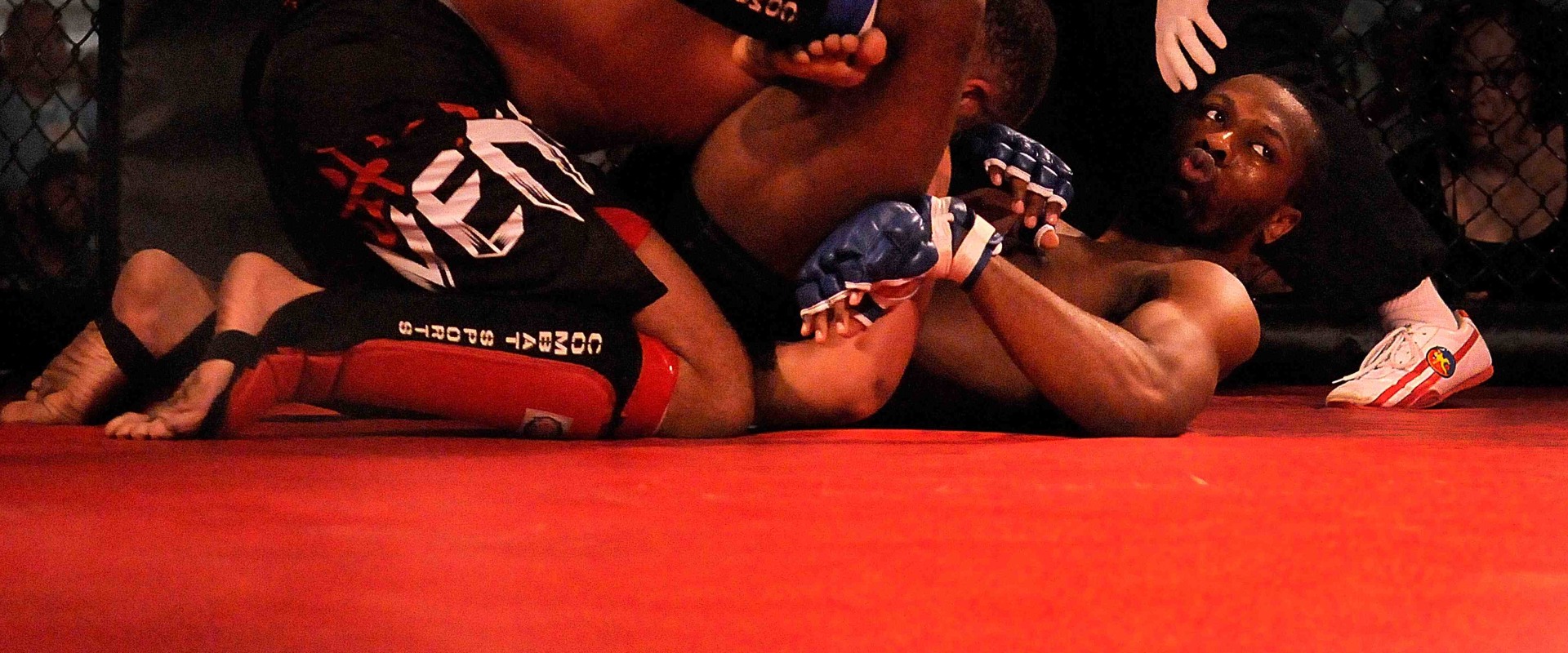
Mixed martial arts, commonly referred to as MMA, is a dynamic and multifaceted combat sport that has gained immense popularity across the globe. It combines various fighting styles, including striking and grappling techniques from disciplines such as boxing, Muay Thai, judo, and Brazilian jiu-jitsu. This unique blend of martial arts not only showcases the physical prowess of its athletes but also emphasizes strategy, adaptability, and mental fortitude. As a result, MMA has evolved into a highly respected sport that attracts millions of fans and participants alike. The roots of mixed martial arts can be traced back to ancient civilizations, where combat sports were often used for entertainment and military training.
The earliest recorded instances of mixed fighting date back to 648 B. C. in Greece, where competitors engaged in brutal contests that tested their strength and skill. Over the centuries, various cultures have contributed to the evolution of MMA, with techniques being passed down and refined through generations.
The modern incarnation of the sport began to take shape in the 20th century, particularly in Brazil, where Brazilian jiu-jitsu emerged as a dominant force. In 1993, the launch of the Ultimate Fighting Championship (UFC) marked a pivotal moment in the history of mixed martial arts. This event introduced a wider audience to the sport and showcased fighters from diverse backgrounds competing under unified rules. As MMA gained traction in the United States and beyond, it transitioned from an underground spectacle to a mainstream phenomenon. Today, MMA is governed by strict regulations that prioritize athlete safety while maintaining the excitement and intensity that fans have come to love. As we delve deeper into the world of mixed martial arts in this article, we will explore its rich history, key techniques, training methodologies, and the cultural impact it has had on society.
Whether you are a seasoned fan or new to the sport, understanding the essence of MMA will enhance your appreciation for this extraordinary discipline.
The Historical Roots of Mixed Martial Arts
The origins of mixed martial arts (MMA) can be traced back to ancient combat sports, with the earliest known instances occurring in Greece around 648 B. during the ancient Olympic Games. These early competitions featured a brutal form of hand-to-hand combat known as Pankration, which combined elements of boxing and wrestling, allowing participants to utilize a wide range of techniques including strikes, holds, and submissions. The sport was so popular that it became a staple of the Olympic events, showcasing the physical prowess and combat skills of its athletes. As civilizations evolved, so did the concept of combat sports.The decline of Greek civilization saw a waning interest in Pankration, but the principles of mixed fighting continued to influence various cultures. In Asia, for instance, the techniques and philosophies from Greek combat sports laid the groundwork for the development of numerous martial arts. This cross-cultural exchange was pivotal in shaping what we now recognize as modern martial arts. Fast forward to the 20th century, and we see a resurgence of interest in mixed fighting styles, particularly in Brazil during the 1920s. The emergence of Brazilian Jiu-Jitsu (BJJ) marked a significant turning point in the evolution of MMA.
Developed by the Gracie family, BJJ emphasized ground fighting and submission techniques, which were distinct from traditional striking arts. This new approach attracted attention and led to the formation of various competitions that showcased these diverse fighting styles. The modern era of MMA began to take shape in the early 1990s with the establishment of the Ultimate Fighting Championship (UFC) in the United States. This organization brought together fighters from different disciplines—such as boxing, Muay Thai, wrestling, and Brazilian Jiu-Jitsu—into a single arena where they could compete under unified rules. The UFC's popularity skyrocketed, leading to an explosion in interest for mixed martial arts across North America and beyond. Today, MMA is recognized not only as a sport but also as a cultural phenomenon that embodies a rich history of combat sports from around the world.
Understanding its historical roots provides valuable insight into its current practices and philosophies, highlighting how ancient traditions have shaped contemporary fighting techniques.
The Evolution of MMA in the 20th Century
The resurgence of mixed martial arts (MMA) in the 20th century marked a pivotal moment in the evolution of combat sports. This revival can be traced back to the early 1990s, when a series of events and cultural shifts converged to bring MMA into the mainstream spotlight. One of the most significant milestones in this resurgence was the establishment of the Ultimate Fighting Championship (UFC) in 1993. The UFC was created as a platform to showcase various martial arts styles in a competitive format, allowing fighters from different disciplines to face off against one another. This concept was revolutionary, as it provided a stage for fighters to demonstrate their skills and techniques in real combat scenarios. Initially, the UFC faced criticism and controversy due to its perceived brutality and lack of rules. However, as the organization began to implement regulations and safety measures, it gained legitimacy and attracted a broader audience.The introduction of weight classes, time limits, and a more structured set of rules helped transform MMA from an underground spectacle into a respected sport. Another crucial factor in the evolution of MMA during this period was the rise of Brazilian jiu-jitsu (BJJ). The sport gained international recognition largely due to the success of Royce Gracie, a BJJ practitioner who won multiple UFC tournaments in the early years. Gracie's victories showcased the effectiveness of BJJ techniques against larger opponents, leading many fighters to incorporate grappling and submission skills into their training regimens. This shift towards grappling techniques not only changed how fighters approached training but also influenced the overall strategy within MMA competitions. As more fighters began cross-training in BJJ alongside striking arts like boxing and Muay Thai, the sport evolved into a more well-rounded discipline that emphasized versatility and adaptability. The impact of Brazilian jiu-jitsu on MMA cannot be overstated.
It introduced a new dimension to fighting that emphasized ground control and submission techniques, which were often overlooked in traditional striking-focused martial arts. This evolution led to an increase in interest from practitioners of various backgrounds, further expanding the sport's reach. By the late 1990s and early 2000s, MMA had firmly established itself as a legitimate sport with a growing fan base. The UFC's strategic marketing efforts, coupled with high-profile fights and charismatic fighters, helped propel MMA into mainstream culture. As television networks began broadcasting events and pay-per-view sales soared, MMA became one of the fastest-growing sports in America. In conclusion, the evolution of mixed martial arts in the 20th century was characterized by key developments such as the founding of the UFC and the rise of Brazilian jiu-jitsu.
These elements not only shaped the competitive landscape but also laid the groundwork for what would become one of the most popular combat sports worldwide.
Understanding MMA Techniques and Styles
Mixed martial arts (MMA) is a dynamic sport that integrates a variety of techniques and styles, making it one of the most versatile forms of combat. Understanding the different techniques and martial arts styles that comprise MMA is essential for both practitioners and fans alike. At its core, MMA combines two primary categories of techniques: striking and grappling. Each category encompasses various martial arts disciplines, contributing to a fighter's overall skill set.Striking Techniques
Striking techniques are primarily focused on delivering powerful blows to an opponent. These techniques can be derived from several martial arts:- Boxing: Known for its emphasis on footwork, head movement, and powerful punches, boxing techniques are fundamental in MMA.
Fighters often utilize jabs, crosses, hooks, and uppercuts to create openings.
- Muay Thai: Often referred to as the "Art of Eight Limbs," Muay Thai incorporates punches, kicks, elbows, and knee strikes. Its clinch work is particularly effective in close-range combat.
- Kickboxing: This style combines elements of traditional boxing with kicks. Kickboxers are trained to deliver high and low kicks while maintaining a strong boxing stance.
Grappling Techniques
Grappling techniques focus on controlling an opponent through holds, submissions, and takedowns. Key styles include:- Brazilian Jiu-Jitsu (BJJ): BJJ emphasizes ground fighting and submission holds.
Practitioners learn to leverage their body weight to control opponents and apply joint locks or chokeholds.
- Wrestling: Wrestling techniques are crucial for takedowns and maintaining dominant positions on the ground. Wrestlers excel at using their strength and technique to take opponents down and control them.
- Sambo: A Russian martial art that combines judo and wrestling, Sambo focuses on throws and ground control. It is particularly effective in transitioning between standing and ground fighting.
Understanding these techniques is vital for anyone looking to appreciate the complexity of mixed martial arts.
The Rules and Regulations of Mixed Martial Arts
Mixed martial arts (MMA) is governed by a comprehensive set of rules and regulations designed to ensure the safety of fighters while maintaining the integrity of the sport. Understanding these rules is crucial for both participants and spectators, as they outline what is permissible during competitions and help to create a fair environment for all competitors. One of the primary governing bodies for MMA in the United States is the Unified Rules of Mixed Martial Arts , which were established to standardize regulations across various promotions. These rules cover a wide range of aspects, including weight classes, fight duration, and scoring criteria.Prohibited Techniques
To promote safety, certain techniques are strictly prohibited in MMA competitions. These include:- Strikes to the back of the head: Also known as "rabbit punches," these strikes can cause serious injury and are not allowed.
- Eye gouging: Any attempt to poke or scratch an opponent's eyes is forbidden.
- Groin strikes: Attacks to the groin area are prohibited to protect fighters from unnecessary harm.
- Headbutting: This technique is banned due to its potential for causing severe injuries.
- Strikes to a downed opponent: Once a fighter has one knee or hand on the ground, they are considered downed, and striking them is not allowed.
Safety Measures
The safety of fighters is paramount in MMA.To ensure this, several measures are implemented:
- Medical examinations: Fighters must undergo thorough medical evaluations before competing, including physical exams and tests for potential health issues.
- Referee oversight: A qualified referee is present in the cage at all times to enforce rules and stop fights if a fighter is unable to defend themselves adequately.
- Weight classes: Fighters compete within specific weight classes to ensure that matchups are fair and that no significant size advantage exists.
- Time limits: Fights are typically divided into three or five rounds, with each round lasting five minutes. This structure helps manage fatigue and reduces the risk of injury over extended periods.
The Role of Training in Mixed Martial Arts
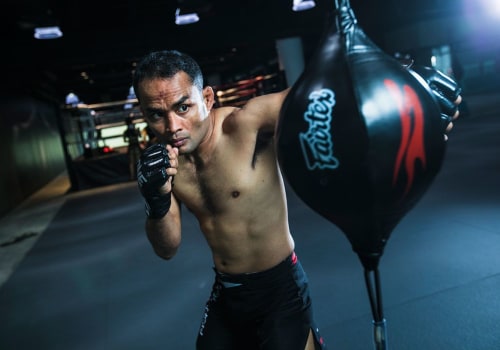
Training is a fundamental aspect of mixed martial arts (MMA), as it equips fighters with the diverse skill set necessary to excel in the octagon. Unlike traditional martial arts that often focus on a single discipline, MMA training emphasizes the importance of cross-training in various fighting styles.This multifaceted approach not only enhances a fighter's performance but also prepares them for the unpredictable nature of competition. One of the primary benefits of cross-training is the ability to adapt to different fighting scenarios. For instance, a fighter who specializes in Brazilian jiu-jitsu (BJJ) may find themselves at a disadvantage against an opponent skilled in Muay Thai striking techniques. By incorporating elements from multiple disciplines, such as wrestling, boxing, and kickboxing, fighters can develop a well-rounded game that allows them to counter their opponents effectively.
Key Components of MMA Training
- Striking Techniques: Training in striking arts like boxing and Muay Thai helps fighters improve their stand-up game. This includes learning how to throw punches, kicks, elbows, and knees effectively.
- Grappling Skills: Grappling disciplines such as wrestling and judo are crucial for controlling opponents on the ground.
These skills enable fighters to take their opponents down or defend against takedowns.
- Submission Techniques: Mastery of submission holds from BJJ allows fighters to finish fights on the ground. Understanding joint locks and chokeholds can turn the tide in a match.
- Conditioning: Physical fitness is vital in MMA. Fighters engage in rigorous conditioning programs that include strength training, cardiovascular workouts, and flexibility exercises to ensure they can endure the demands of a fight.
Gyms that promote a culture of respect and camaraderie encourage athletes to push their limits while supporting one another. This sense of community can be incredibly motivating, helping fighters stay committed to their training goals. In conclusion, the role of training in mixed martial arts cannot be overstated. Cross-training across various martial arts disciplines not only prepares fighters for competition but also enhances their overall performance by equipping them with a diverse skill set. As MMA continues to evolve, the importance of comprehensive training will remain a cornerstone for aspiring fighters aiming for success in this dynamic sport.
The Cultural Impact of Mixed Martial Arts
Mixed martial arts (MMA) has transcended its origins as a combat sport to become a significant cultural phenomenon that influences various aspects of society.The rise of MMA has not only changed the landscape of sports but has also impacted social norms, entertainment, and even fashion. One of the most notable aspects of MMA culture is its ability to bring together diverse communities. Fighters from different backgrounds, ethnicities, and disciplines come together in the octagon, showcasing a blend of techniques that reflect their unique heritages. This melting pot of styles fosters a sense of unity among practitioners and fans alike, breaking down barriers that often exist in traditional sports. The popularity of mixed martial arts has surged globally, particularly in the last two decades. Major promotions like the Ultimate Fighting Championship (UFC) have played a pivotal role in this growth, bringing high-quality production and marketing strategies that appeal to a broad audience.
Events are now broadcasted worldwide, drawing millions of viewers and creating a dedicated fan base that spans continents. Moreover, the influence of MMA extends beyond the cage. It has permeated popular culture through movies, television shows, and social media. Fighters like Conor McGregor and Ronda Rousey have become household names, not just for their athletic prowess but also for their charismatic personalities and business ventures. Their success stories inspire many young athletes to pursue careers in martial arts, further fueling the sport's growth. In addition to entertainment, MMA has also made significant contributions to fitness and wellness trends.
Many people are drawn to MMA training for its physical benefits, including improved strength, agility, and cardiovascular health. Gyms offering MMA classes have proliferated, making martial arts accessible to individuals of all ages and fitness levels. This shift towards incorporating MMA into everyday fitness routines reflects a broader societal trend towards holistic health and self-improvement. Furthermore, the sport's emphasis on discipline, respect, and perseverance resonates with many practitioners. These values are often highlighted in training environments where instructors emphasize not just physical skills but also mental fortitude and character development.
As such, MMA serves as a platform for personal growth and empowerment. In conclusion, the cultural impact of mixed martial arts is profound and multifaceted. From fostering community and breaking down social barriers to influencing fitness trends and popular culture, MMA continues to shape society in significant ways. As it evolves, its role within the cultural landscape will likely expand even further, making it an essential part of contemporary life.
Women in Mixed Martial Arts
In recent years, the landscape of mixed martial arts (MMA) has undergone a significant transformation, particularly regarding the role of women in the sport. Female fighters have not only gained recognition but have also become pivotal in shaping the future of MMA.Their contributions extend beyond the octagon, influencing perceptions of gender equality and inspiring a new generation of athletes. One of the most prominent figures in women's MMA is Ronda Rousey , who played a crucial role in bringing female fighters into the mainstream spotlight. As the first female champion in the Ultimate Fighting Championship (UFC), Rousey's success helped to legitimize women's MMA and paved the way for other female athletes. Her unique fighting style, characterized by her judo background and submission skills, captivated audiences and showcased the athleticism and skill that women bring to the sport. Following Rousey, fighters like Amanda Nunes , Valentina Shevchenko , and Joanna Jedrzejczyk have continued to elevate women's MMA. Nunes, known for her striking power and grappling prowess, became the first woman to hold two UFC titles simultaneously, further proving that women can compete at the highest levels of combat sports.
Shevchenko's technical striking and tactical approach have made her a formidable champion, while Jedrzejczyk's relentless fighting style has earned her a place among the sport's elite. The rise of these athletes has sparked discussions about gender equality in mixed martial arts. Historically, women faced significant barriers in combat sports, often receiving less media coverage and lower pay compared to their male counterparts. However, as female participation increases, organizations like the UFC have begun to address these disparities. Initiatives aimed at promoting women's fights and providing equal opportunities are becoming more common, reflecting a broader societal shift towards gender equality. Moreover, women's MMA has inspired many young girls to pursue martial arts as a means of self-defense, fitness, and empowerment.
Gyms across the country are witnessing an influx of female students eager to learn techniques that not only enhance their physical capabilities but also build confidence and resilience. In conclusion, women in mixed martial arts are not just participants; they are trailblazers who challenge stereotypes and redefine what it means to be an athlete. As their presence continues to grow within the sport, so does the conversation around gender equality, making MMA a more inclusive environment for all fighters.
Frequently Asked Questions about Mixed Martial Arts
Mixed martial arts (MMA) is a complex and multifaceted sport that often raises numerous questions among enthusiasts and newcomers alike. Below are some of the most frequently asked questions about MMA, along with clear and informative answers to help you better understand this dynamic combat sport.What are the main disciplines involved in mixed martial arts?
MMA incorporates a variety of fighting styles, allowing practitioners to utilize techniques from different martial arts. Some of the primary disciplines include:- Boxing: Focuses on striking with punches and footwork.
- Brazilian Jiu-Jitsu (BJJ): Emphasizes ground fighting and submission techniques.
- Muay Thai: Known as the "Art of Eight Limbs," it utilizes punches, kicks, elbows, and knees.
- Wrestling: Provides grappling skills for takedowns and control on the ground.
- Karate: Offers striking techniques and unique footwork.
Is mixed martial arts safe?
While MMA is a contact sport that involves physical confrontation, safety measures are in place to protect fighters.Regulations govern the sport, including:
- Weight classes to ensure fair matchups.
- Medical examinations before fights to assess fighters' health.
- Referees who monitor fights closely to stop them if a fighter is in danger.
- A set of rules that prohibit dangerous techniques, such as strikes to the back of the head or groin.
Can anyone participate in mixed martial arts?
MMA is accessible to individuals of all ages and skill levels. Many gyms offer classes tailored for beginners, focusing on fundamental techniques and fitness. Whether you aim to compete or simply want to improve your physical conditioning, there are programs available for everyone. Additionally, many practitioners find that training in MMA fosters discipline, respect, and camaraderie among participants.How do I choose an MMA gym?
Selecting the right gym is crucial for your MMA journey.Consider the following factors:
- Qualified Instructors: Look for gyms with experienced coaches who have a background in various martial arts.
- Class Variety: Ensure the gym offers classes in different disciplines like striking and grappling.
- Community Atmosphere: A supportive environment can enhance your training experience.
- Facilities: Check if the gym has adequate training equipment and space for practice.
Conclusion: The Future of Mixed Martial Arts
As we reflect on the evolution and significance of mixed martial arts (MMA), it becomes clear that this dynamic sport has transcended its origins to become a global phenomenon. From its ancient roots in Greece to its modern-day popularity, MMA has continually adapted, incorporating various fighting styles and techniques to create a comprehensive combat sport that appeals to a diverse audience. The journey of MMA has been marked by significant milestones, including the establishment of regulatory bodies and the introduction of safety measures that have transformed it into a more structured and secure environment for fighters. The rise of organizations like the Ultimate Fighting Championship (UFC) has not only popularized the sport but also elevated it to a level of mainstream acceptance, drawing in millions of fans worldwide. Looking ahead, the future of mixed martial arts appears promising. Several key trends are likely to shape its trajectory:- Increased Global Participation: As MMA continues to gain traction across different countries, we can expect an influx of talent from various backgrounds.
This will enrich the sport with new techniques and styles, further diversifying the competitive landscape.
- Technological Advancements: The integration of technology in training and performance analysis is set to revolutionize how fighters prepare for bouts. Wearable technology, virtual reality training, and advanced analytics will provide athletes with insights that enhance their skills and strategies.
- Focus on Athlete Health: With growing awareness around athlete welfare, there will be an increased emphasis on mental health support, injury prevention, and recovery protocols. This shift will ensure that fighters can compete at their best while maintaining their overall well-being.
- Women in MMA: The rise of female fighters has already made a significant impact on the sport. As more women enter the octagon, we can anticipate greater representation and opportunities for female athletes, which will inspire future generations.
With its rich heritage and evolving nature, MMA is poised for continued growth and innovation. As fans and practitioners alike engage with this multifaceted sport, they contribute to its legacy while shaping its future. The journey of MMA is far from over; it is an exciting time to be part of this vibrant community.