Know the whole fight.
Exploring the Multifaceted Benefits of Mixed Martial Arts
Explore the numerous benefits of mixed martial arts, including fitness, mental toughness, self-defense skills, and stress relief.
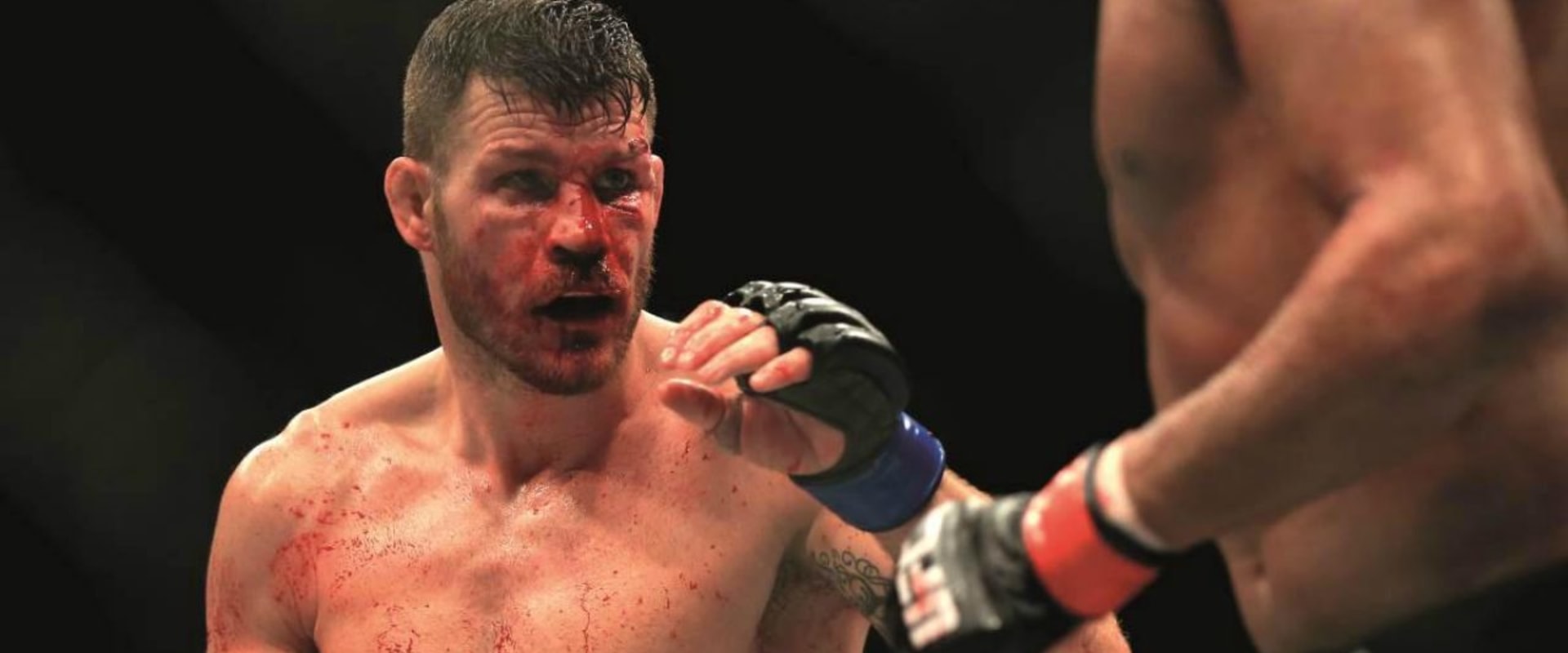
Mixed martial arts, commonly referred to as MMA, is a multifaceted combat sport that has gained immense popularity over the past few decades. It combines techniques from various martial arts disciplines, including boxing, Brazilian Jiu-Jitsu, Muay Thai, wrestling, and more. This eclectic mix allows fighters to utilize a wide range of skills, making each match unpredictable and thrilling. The sport's roots can be traced back to ancient combat practices, but it has evolved significantly since its modern inception in the early 1990s with the establishment of organizations like the Ultimate Fighting Championship (UFC). The evolution of MMA reflects a broader cultural shift towards embracing diverse fighting styles and techniques.
Initially viewed with skepticism and often criticized for its brutality, MMA has transformed into a respected sport that emphasizes athleticism, strategy, and discipline. Today, it is governed by a set of unified rules that ensure the safety of participants while allowing for a dynamic range of combat techniques. This evolution has not only increased its legitimacy but also attracted a global audience, making it one of the fastest-growing sports worldwide. Practicing mixed martial arts offers numerous benefits that extend beyond physical fitness. Participants often experience improvements in mental resilience, self-discipline, and confidence.
The rigorous training involved in MMA fosters a strong sense of community among practitioners, creating an environment where individuals can support each other in their personal growth. As we delve deeper into the advantages of engaging in this sport, it becomes clear that MMA is not just about fighting; it is a holistic approach to enhancing one’s overall well-being.
Physical Fitness Benefits of Mixed Martial Arts
Engaging in mixed martial arts (MMA) offers a comprehensive approach to physical fitness that goes beyond traditional workout routines. The multifaceted nature of MMA training incorporates various disciplines, each contributing to significant improvements in strength, endurance, flexibility, and overall health.Strength Development
MMA training emphasizes functional strength, which is crucial for effective performance in the ring. Techniques such as grappling and striking require practitioners to engage multiple muscle groups simultaneously.
For instance, when executing a takedown or a submission hold, fighters utilize their core, legs, and upper body, leading to enhanced muscle tone and power. Weight training is often integrated into MMA training regimens, focusing on compound movements like squats, deadlifts, and bench presses that build overall strength.
Endurance and Cardiovascular Health
The high-intensity nature of MMA workouts significantly boosts cardiovascular endurance. Training sessions often include rigorous drills that elevate heart rates, such as sparring rounds and bag work. These activities not only improve stamina but also enhance lung capacity and overall cardiovascular health.
As practitioners push through intense rounds of training, they develop the ability to sustain energy levels over extended periods, which is essential for both competition and general fitness.
Flexibility and Mobility
Flexibility is another critical component of physical fitness that MMA training addresses. Techniques such as high kicks and ground transitions require a wide range of motion. Regular practice of these techniques helps to increase flexibility in the hips, legs, and shoulders. Additionally, warm-up routines often include dynamic stretching exercises that prepare the body for movement while reducing the risk of injury.
Overall Health Benefits
The holistic approach of MMA not only enhances physical attributes but also contributes to mental well-being.
The rigorous training can lead to weight loss and improved body composition, which are vital for overall health. Furthermore, the discipline required in MMA fosters a sense of accomplishment and boosts self-esteem. Participants often report lower stress levels due to the physical outlet provided by training. In summary, mixed martial arts serves as an effective means of improving physical fitness through its diverse training methods. By focusing on strength, endurance, flexibility, and overall health benefits, MMA provides a well-rounded fitness experience that can be both enjoyable and rewarding.
Mental Toughness and Discipline Through MMA
Engaging in mixed martial arts (MMA) is not just a physical endeavor; it also serves as a powerful catalyst for developing mental toughness and discipline.These psychological benefits are often overlooked but are crucial for both fighters and practitioners alike.
Mental Toughness
Mental toughness refers to the ability to remain resilient in the face of challenges, setbacks, and pressure. In the context of MMA, this trait is cultivated through rigorous training sessions that push individuals to their limits. Practitioners learn to embrace discomfort, whether it’s through intense sparring sessions or grueling conditioning workouts. This exposure to challenging situations helps build a mindset that can withstand adversity, not just in the ring but in everyday life.
For instance, when a fighter faces an opponent who is technically superior or physically stronger, they must rely on their mental fortitude to stay focused and composed.
This experience teaches them how to manage fear and anxiety, ultimately leading to improved performance under pressure.
Discipline in MMA
Discipline is another cornerstone of success in mixed martial arts. The structured nature of training—where routines are meticulously planned and executed—instills a sense of responsibility and commitment. Practitioners must adhere to strict training schedules, dietary regimens, and recovery protocols. This level of commitment fosters self-discipline that transcends the gym.
- Goal Setting: MMA encourages individuals to set specific, measurable goals, whether it’s mastering a new technique or preparing for a fight.
This process teaches the importance of dedication and perseverance.
- Time Management: Balancing training with other life responsibilities requires effective time management skills. Practitioners learn how to prioritize their commitments, which enhances their overall productivity.
Focus and Concentration
The fast-paced nature of MMA demands acute focus and concentration. During training and competition, fighters must be aware of their surroundings, anticipate their opponent's moves, and react swiftly. This heightened state of awareness sharpens cognitive abilities and improves decision-making skills. Moreover, the mental discipline gained from MMA can lead to enhanced performance in various aspects of life, including academics and professional endeavors.
The ability to concentrate deeply on tasks can result in better outcomes in work or study environments. In summary, the practice of mixed martial arts offers profound mental benefits that extend beyond physical fitness. By fostering mental toughness, instilling discipline, and enhancing focus, MMA equips individuals with essential life skills that contribute to personal growth and resilience.
Self-Defense Skills Acquired from Mixed Martial Arts
Mixed martial arts (MMA) is not just a sport; it is a comprehensive system of self-defense that equips practitioners with a diverse set of skills to handle real-life confrontations. The training involved in MMA encompasses various techniques that are effective in personal safety scenarios, making it an invaluable asset for anyone looking to enhance their self-defense capabilities. One of the primary advantages of MMA training is the emphasis on practical self-defense techniques. Practitioners learn how to strike effectively using punches, kicks, elbows, and knees, which are essential for defending oneself against an attacker.These striking techniques are not only powerful but also versatile, allowing individuals to adapt their responses based on the situation they face. In addition to striking, MMA incorporates grappling techniques from disciplines such as Brazilian Jiu-Jitsu and wrestling. This aspect of training teaches individuals how to control an opponent on the ground, escape from dangerous positions, and apply submissions. For instance, knowing how to execute a chokehold or joint lock can be crucial in subduing an aggressor without causing excessive harm. Moreover, MMA training emphasizes situational awareness and mental preparedness. Practitioners learn to assess their surroundings and recognize potential threats before they escalate into physical confrontations.
This heightened awareness can significantly reduce the likelihood of becoming a victim of violence. Another critical component of self-defense acquired through MMA is the development of confidence and mental resilience. As individuals train and improve their skills, they gain a sense of empowerment that translates into their daily lives. This newfound confidence can deter potential attackers, as many aggressors target those who appear vulnerable or unsure of themselves. Furthermore, MMA training instills discipline and respect for others. Practitioners learn the importance of using their skills responsibly and only in situations where it is necessary for self-defense.
This ethical approach to martial arts fosters a mindset that prioritizes de-escalation and conflict resolution over violence. In summary, mixed martial arts provides a robust framework for self-defense that combines effective striking and grappling techniques with mental preparedness and situational awareness. By engaging in MMA training, individuals not only enhance their physical abilities but also cultivate the confidence and discipline needed to protect themselves in potentially dangerous situations.
Stress Relief and Emotional Well-Being from MMA Training
Engaging in mixed martial arts (MMA) offers a unique avenue for stress relief and emotional well-being. The rigorous physical activity involved in training not only enhances physical fitness but also serves as a powerful outlet for pent-up emotions and daily stressors. When practitioners step onto the mat or into the cage, they enter a space where they can channel their frustrations and anxieties into productive movement. One of the primary benefits of MMA training is its ability to promote mental clarity.The focus required during training sessions—whether it’s perfecting a technique or sparring with a partner—forces individuals to concentrate on the present moment. This mindfulness aspect can significantly reduce feelings of anxiety and overwhelm, allowing practitioners to temporarily escape from their daily worries. Moreover, the structured environment of MMA classes fosters a sense of community and support among participants. Training alongside others who share similar goals creates camaraderie, which can be incredibly beneficial for emotional health. This social interaction helps combat feelings of isolation and loneliness, often associated with stress and anxiety. Additionally, the discipline required in MMA cultivates resilience and mental toughness.
As practitioners face challenges—be it mastering a new skill or overcoming physical fatigue—they learn to push through discomfort and adversity. This process not only builds confidence but also equips individuals with coping mechanisms that can be applied outside the gym, enhancing their ability to handle stress in everyday life. Furthermore, the endorphin release that occurs during intense physical activity is another significant factor in stress relief. These natural chemicals promote feelings of happiness and euphoria, often referred to as the "runner's high." Regular participation in MMA can lead to improved mood and overall emotional stability. In summary, mixed martial arts serves as an effective tool for managing stress and enhancing emotional well-being. Through physical exertion, community support, mental discipline, and the release of endorphins, practitioners can experience profound benefits that extend beyond the gym.
Whether you are looking to alleviate stress or improve your mental health, incorporating MMA into your routine may provide the relief you seek.
Improving Coordination and Reflexes with Mixed Martial Arts
Mixed martial arts (MMA) is not just about strength and technique; it also plays a crucial role in enhancing coordination and reflexes. These two physical attributes are essential not only for effective performance in the ring but also for everyday activities. Through a variety of drills and training methods, practitioners can significantly improve their coordination and reflexes. One of the primary ways MMA enhances coordination is through the integration of various fighting styles. For instance, combining striking techniques from boxing with grappling moves from Brazilian Jiu-Jitsu requires a high level of body awareness and control.This multifaceted approach forces fighters to engage different muscle groups simultaneously, leading to improved overall coordination.
Drills to Enhance Coordination
- Shadow Boxing: This drill allows fighters to practice their movements without an opponent. By focusing on footwork, head movement, and striking combinations, practitioners can develop a better sense of timing and spatial awareness.
- Partner Drills: Working with a partner on specific techniques, such as pad work or sparring, helps improve coordination as fighters must react to their partner's movements while executing their own techniques.
- Footwork Drills: Exercises like ladder drills or cone drills enhance agility and foot speed. These drills require quick changes in direction, which are vital for both offense and defense in MMA.
Here are some effective methods:
Reflex Training Techniques
- Reaction Ball Drills: Using a reaction ball, which bounces unpredictably, helps fighters improve their hand-eye coordination and reaction time. Practitioners must quickly adjust their movements based on the ball's trajectory.
- Sparring Sessions: Engaging in controlled sparring allows fighters to practice real-time reactions to an opponent's strikes or movements. This not only sharpens reflexes but also builds confidence in handling unpredictable situations.
- Punching Bag Work: Hitting a heavy bag or speed bag requires quick adjustments in stance and technique, enhancing both coordination and reflexes as fighters learn to anticipate their own movements.
Whether you are a seasoned fighter or a beginner, incorporating these drills into your training regimen can yield significant improvements in your overall athleticism.
Building Confidence Through Mixed Martial Arts Practice
Participating in mixed martial arts (MMA) can be a transformative experience, particularly when it comes to building self-confidence and enhancing self-esteem. Many practitioners find that the journey through MMA not only improves their physical abilities but also fosters significant personal growth. One of the most profound ways that MMA boosts confidence is through the achievement of tangible goals. Whether it’s mastering a new technique, successfully sparring with a partner, or competing in a match, each accomplishment serves as a building block for self-esteem. As individuals set and achieve these goals, they begin to see themselves as capable and resilient. Moreover, the structured environment of an MMA gym provides a supportive community where practitioners can share their experiences and challenges.This camaraderie often leads to friendships that encourage personal growth. For many, the gym becomes a safe space where they can express themselves without fear of judgment. The encouragement from coaches and fellow fighters reinforces the belief that they are capable of overcoming obstacles. Additionally, MMA training requires individuals to step out of their comfort zones. Facing opponents in sparring sessions or participating in competitions can be intimidating, but these experiences teach valuable lessons about resilience and perseverance.
Overcoming the fear of failure in such high-pressure situations can significantly enhance one’s self-image. Personal growth stories abound within the MMA community. Many practitioners report that their journey in mixed martial arts has led to improvements not just in their fighting skills but also in other areas of their lives. For instance, individuals who once struggled with anxiety or low self-esteem often find that the discipline and focus required in MMA translate into greater confidence in social situations or professional environments. In conclusion, the benefits of mixed martial arts extend far beyond physical fitness. The process of training, achieving goals, and overcoming challenges fosters a sense of accomplishment that is crucial for building confidence and self-esteem.
As practitioners continue to grow both inside and outside the ring, they often emerge as more self-assured individuals ready to tackle life’s challenges head-on.
Community and Social Benefits of Mixed Martial Arts Training
One of the most profound aspects of mixed martial arts (MMA) training is the sense of community that develops within gyms and clubs. Unlike many individual sports, MMA fosters an environment where practitioners come together, share experiences, and support one another in their journeys. This communal aspect not only enhances the training experience but also contributes significantly to personal growth and social well-being. In an MMA gym, individuals from diverse backgrounds unite with a common goal: to improve their skills and fitness levels. This shared purpose creates a unique bond among practitioners.As they train together, they face challenges, celebrate victories, and learn from defeats, which cultivates a strong sense of camaraderie. The friendships formed in this environment often extend beyond the gym, leading to lasting relationships that provide emotional support and encouragement.
Social Benefits of MMA Training
- Building Friendships: The rigorous nature of MMA training encourages teamwork and collaboration. Practitioners often partner up for drills and sparring sessions, which naturally leads to conversations and connections. These interactions can blossom into friendships that enrich their lives both inside and outside the gym.
- Support Networks: The MMA community is known for its inclusivity and supportiveness.
Whether someone is facing personal challenges or striving to achieve a specific goal, fellow practitioners often rally around them, providing motivation and encouragement. This network can be invaluable in helping individuals navigate life's ups and downs.
- Shared Experiences: Training in MMA involves pushing physical and mental limits. Sharing these experiences with others creates a sense of belonging. Practitioners often find solace in knowing that others are going through similar struggles, which fosters empathy and understanding.
- Community Events: Many MMA gyms host events such as competitions, seminars, or social gatherings.
These occasions not only allow practitioners to showcase their skills but also strengthen community ties. Participants often bond over shared experiences during these events, further solidifying their connections.
Frequently Asked Questions About Mixed Martial Arts Benefits
Mixed martial arts (MMA) is often surrounded by questions and misconceptions, especially regarding its benefits.Below, we address some of the most frequently asked questions to help clarify the advantages of engaging in this dynamic sport.
What are the primary benefits of practicing mixed martial arts?
The benefits of MMA extend beyond physical fitness. Practitioners can expect to experience:- Enhanced Physical Fitness: MMA training improves strength, endurance, flexibility, and overall cardiovascular health.
- Mental Toughness: The rigorous training involved in MMA fosters resilience and discipline, helping individuals push through challenges.
- Self-Defense Skills: MMA equips practitioners with practical self-defense techniques that can be applied in real-life situations.
- Stress Relief: Engaging in physical activity like MMA can significantly reduce stress levels and improve mental well-being.
Is mixed martial arts safe for beginners?
Many potential practitioners worry about safety. While MMA is a contact sport, training is conducted in a controlled environment under the supervision of experienced instructors. Beginners are typically introduced to techniques gradually, allowing them to build confidence and skill without unnecessary risk.Proper protective gear is also used during sparring sessions to minimize injuries.
Can mixed martial arts help with weight loss?
Absolutely! The high-intensity workouts associated with MMA training can lead to significant calorie burn, making it an effective option for weight loss. Additionally, the combination of strength training and cardio helps build lean muscle mass, which can further enhance metabolism.Are there age restrictions for practicing mixed martial arts?
MMA is suitable for a wide range of ages. Many gyms offer classes tailored for children, teens, and adults. However, it’s essential for individuals to consult with a healthcare provider before starting any new physical activity, especially if they have pre-existing health conditions.What about the misconception that MMA promotes violence?
This is a common misconception.In reality, MMA emphasizes respect, discipline, and self-control. Practitioners learn not only how to fight but also how to manage their emotions and resolve conflicts peacefully. The sport encourages camaraderie among participants and fosters a sense of community. In conclusion, understanding the benefits of mixed martial arts can help dispel myths and encourage more individuals to explore this enriching sport. Whether for fitness, self-defense, or personal growth, MMA offers numerous advantages that can positively impact one’s life.
Conclusion: The Comprehensive Advantages of Mixed Martial Arts
In summary, the practice of mixed martial arts extends far beyond the confines of a traditional sport; it embodies a comprehensive approach to personal growth and development.The multifaceted benefits of engaging in MMA are profound, impacting various aspects of an individual’s life. Firstly, the physical advantages are significant. Participants experience enhanced strength , agility , and endurance , which contribute to overall fitness. The rigorous training involved in MMA not only helps in building muscle tone but also promotes cardiovascular health, ensuring that practitioners maintain a healthy heart and improved circulation. Moreover, the mental benefits of mixed martial arts are equally noteworthy. The discipline required to master various techniques fosters mental toughness and resilience.
Practitioners learn to set goals, overcome challenges, and push through discomfort, which translates into greater self-confidence both inside and outside the training environment. Additionally, MMA serves as an effective tool for self-defense. By learning a diverse range of techniques—from striking to grappling—individuals equip themselves with the skills necessary to protect themselves in potentially dangerous situations. This knowledge not only enhances personal safety but also instills a sense of empowerment. Furthermore, engaging in mixed martial arts can significantly reduce stress levels. The physical exertion involved in training releases endorphins, which are natural mood lifters.
This aspect of MMA can lead to improved mental health and a more positive outlook on life. In conclusion, the comprehensive advantages of practicing mixed martial arts encompass physical fitness, mental fortitude, self-defense skills, and emotional well-being. By embracing MMA as a holistic approach to personal development, individuals can cultivate a healthier lifestyle while gaining invaluable life skills that extend far beyond the mat.