Know the whole fight.
What is Mixed Martial Arts? A Comprehensive Guide
Discover the world of mixed martial arts (MMA), its history, techniques, and the future of this dynamic sport in our comprehensive guide.
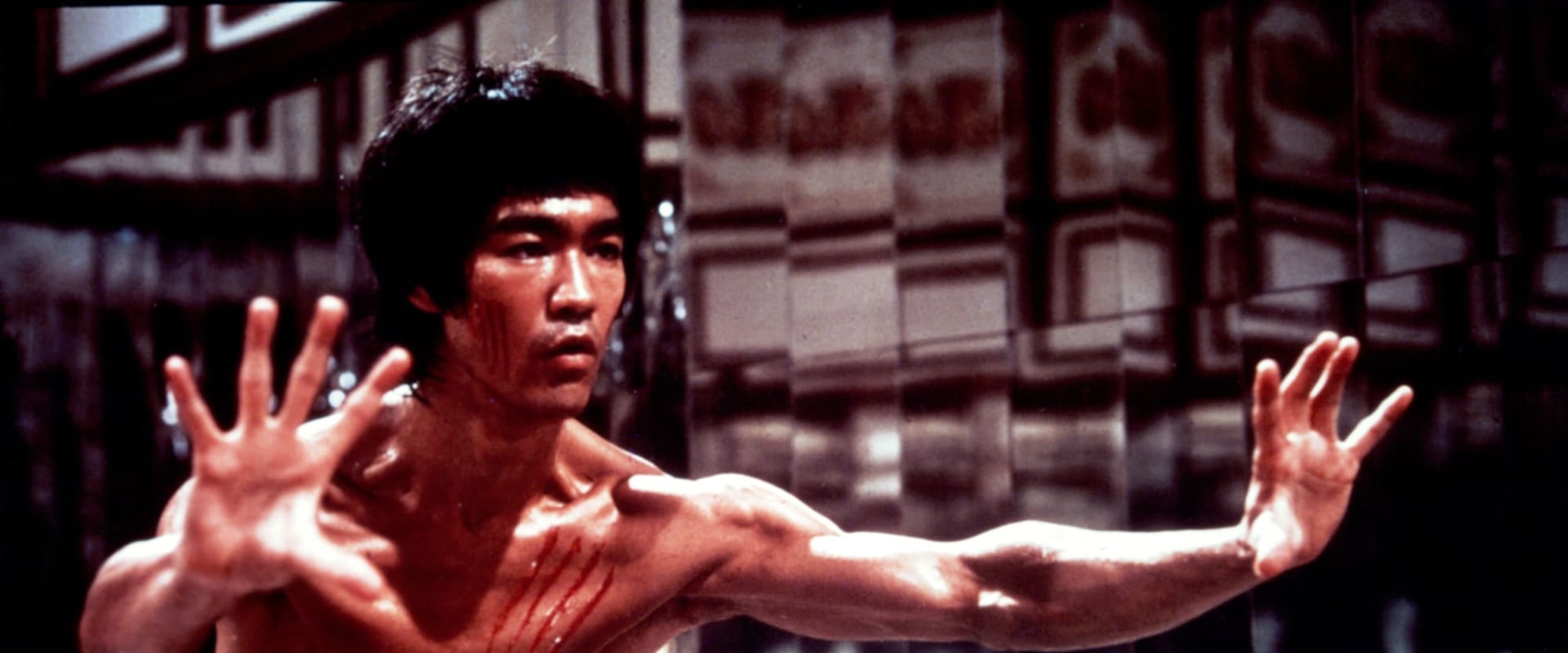
Mixed martial arts, commonly referred to as MMA, is a dynamic and multifaceted sport that combines various fighting styles and techniques from different martial arts disciplines. At its core, MMA allows competitors to engage in both striking and grappling, utilizing skills from disciplines such as boxing, Brazilian jiu-jitsu, wrestling, Muay Thai, and karate. This blend of techniques not only makes MMA a versatile combat sport but also a thrilling spectacle for fans around the world. The definition of mixed martial arts can be understood as a full-contact combat sport that permits a wide range of fighting techniques and skills. Unlike traditional martial arts that often focus on a single style or technique, MMA encourages fighters to adapt and evolve their strategies by integrating various methods.
This adaptability is crucial in the octagon, where fighters must be prepared to counter their opponents' strengths while exploiting their weaknesses. The history of mixed martial arts is rich and complex, tracing back centuries to ancient combat practices. However, the modern incarnation of MMA began to take shape in the early 1990s with the establishment of the Ultimate Fighting Championship (UFC) in the United States. This groundbreaking event showcased fighters from diverse backgrounds competing under a unified set of rules, which helped to legitimize the sport and attract a broader audience. Over the years, MMA has evolved significantly, with the introduction of regulations and safety measures that have transformed it into a respected sport within the athletic community. As we delve deeper into this comprehensive guide on mixed martial arts, we will explore its various components, training methodologies, and the cultural impact it has had on sports and society.
Understanding MMA not only enhances appreciation for the athletes who compete but also sheds light on the intricate strategies that define this captivating sport.
The Evolution of Mixed Martial Arts
The history of mixed martial arts (MMA) is a fascinating journey that spans centuries, showcasing the evolution of combat sports from ancient times to the modern arena. The roots of MMA can be traced back to various ancient fighting styles, including Greek Pankration, which was a blend of boxing and wrestling practiced in the Olympic Games around 648 BC. This early form of combat sport allowed a wide range of techniques, including strikes and grappling, setting the stage for what would eventually become modern MMA. As time progressed, different cultures developed their own martial arts systems, each contributing unique techniques and philosophies. In Asia, disciplines such as Judo, Karate, and Brazilian Jiu-Jitsu emerged, emphasizing various aspects of combat.Brazilian Jiu-Jitsu, in particular, gained prominence in the 20th century due to its effectiveness in ground fighting and submissions. The modern era of mixed martial arts began to take shape in the early 1990s with the establishment of the Ultimate Fighting Championship (UFC) in 1993. The UFC was created to determine which martial art was the most effective in a real fight scenario. The first event featured fighters from diverse backgrounds competing under minimal rules, leading to a spectacle that captivated audiences and sparked interest in the sport. However, the lack of regulations and safety measures led to concerns about fighter safety and the legitimacy of the sport. In response, the Unified Rules of Mixed Martial Arts were introduced in 2000. These rules standardized weight classes, rounds, and prohibited certain dangerous techniques, paving the way for a more structured and safer competitive environment. Throughout the late 1990s and early 2000s, MMA continued to evolve with the rise of organizations like Pride Fighting Championships in Japan and later Bellator MMA.
These promotions contributed to the global popularity of mixed martial arts by showcasing high-level talent and exciting matchups. Today, mixed martial arts is recognized as a legitimate sport worldwide, with millions of fans and athletes participating at various levels. Major organizations like UFC dominate the landscape, hosting events that draw massive audiences both live and through pay-per-view broadcasts. The evolution of MMA has not only transformed how combat sports are viewed but has also influenced training methodologies across various martial arts disciplines. In conclusion, the journey of mixed martial arts from its ancient origins to its current status as a mainstream sport is marked by significant milestones that have shaped its development. As MMA continues to grow and adapt, it remains a testament to humanity's enduring fascination with combat sports.
Key Techniques in Mixed Martial Arts
Mixed martial arts (MMA) is a dynamic sport that incorporates a wide array of techniques from various martial arts disciplines.Understanding the key techniques in MMA is essential for both fighters and fans alike, as these techniques form the foundation of effective combat strategies.
Striking Techniques in MMA
Striking is a crucial component of mixed martial arts, allowing fighters to deliver powerful blows to their opponents. The primary striking techniques include:- Boxing: This discipline focuses on punches, footwork, and head movement. Boxers utilize jabs, crosses, hooks, and uppercuts to create openings and deliver damage.
- Muay Thai: Known as the "Art of Eight Limbs," Muay Thai incorporates punches, kicks, elbows, and knees. Fighters trained in this style can effectively strike from various angles and distances.
- Kickboxing: Combining elements of traditional boxing with kicks, kickboxing emphasizes speed and agility.
Fighters often use roundhouse kicks, front kicks, and side kicks to keep their opponents at bay.
Grappling Techniques in MMA
Grappling is another vital aspect of mixed martial arts, focusing on controlling an opponent through holds and submissions. Key grappling techniques include:- Brazilian Jiu-Jitsu (BJJ): BJJ emphasizes ground fighting and submission holds. Practitioners learn to leverage their body weight to control opponents and apply joint locks or chokeholds.
- Wrestling: Wrestling techniques are essential for takedowns and maintaining dominant positions on the ground.
Wrestlers use various styles, including freestyle and Greco-Roman, to outmaneuver their opponents.
- Sambo: This Russian martial art combines elements of judo and wrestling. Sambo practitioners excel in both standing grappling and ground control, making it a versatile addition to an MMA fighter's skill set.
Major Organizations and Competitions
Mixed martial arts (MMA) has evolved into a global phenomenon, largely due to the influence of several key organizations that govern the sport and promote its events. Among these, the Ultimate Fighting Championship (UFC) stands out as the most recognized and influential entity in the MMA landscape. The UFC was founded in 1993 and has since grown to become the premier organization for mixed martial arts competitions.It has played a pivotal role in popularizing the sport, showcasing elite fighters from various disciplines and backgrounds. The UFC's events are broadcast worldwide, attracting millions of viewers and generating significant revenue through pay-per-view sales, sponsorships, and merchandise. Another major player in the MMA world is Bellator MMA, which was established in 2008. Bellator has carved out its niche by offering a unique tournament format that allows fighters to compete for championship titles over a series of events. This structure not only provides exciting matchups but also gives lesser-known fighters a platform to showcase their skills and gain recognition. In addition to the UFC and Bellator, there are several other organizations that contribute to the growth of mixed martial arts:
- ONE Championship: Based in Asia, ONE Championship focuses on promoting martial arts across the continent, emphasizing traditional values and sportsmanship.
- PFL (Professional Fighters League): Known for its innovative league format, PFL features a regular season, playoffs, and championship bouts, allowing fighters to earn a salary while competing for a million-dollar prize.
- Invicta FC: This organization is dedicated to promoting women's MMA, providing female fighters with opportunities to compete at high levels.
Bellator also hosts events that attract significant attention, often featuring cross-promotional fights with other organizations. The impact of these organizations extends beyond just competition; they play a crucial role in shaping the future of mixed martial arts by establishing rules, promoting fighter safety, and enhancing the overall professionalism of the sport. As MMA continues to grow in popularity, these organizations will remain at the forefront, driving innovation and expanding opportunities for fighters around the world.
The Unified Rules of Mixed Martial Arts
The Unified Rules of Mixed Martial Arts serve as the foundation for conducting MMA competitions, ensuring a standardized approach that promotes fairness and athlete safety. Established in the early 2000s, these rules have been adopted by various organizations worldwide, including the Ultimate Fighting Championship (UFC) and other prominent MMA promotions. One of the key components of the Unified Rules is the classification of weight classes. These classes are designed to ensure that fighters compete against opponents of similar size and weight, which is crucial for maintaining a level playing field.The weight classes are as follows:
- Flyweight: Up to 125 pounds
- Bantamweight: Up to 135 pounds
- Featherweight: Up to 145 pounds
- Lightweight: Up to 155 pounds
- Welterweight: Up to 170 pounds
- Middleweight: Up to 185 pounds
- Light Heavyweight: Up to 205 pounds
- Heavyweight: Up to 265 pounds
- Effective Striking: The number and quality of significant strikes landed.
- Effective Grappling: Successful takedowns, submission attempts, and control on the ground.
- Octagon Control: A fighter's ability to dictate the pace and location of the fight.
- Poking an opponent's eyes
- Striking the back of the head or spine
- Kicking or kneeing a grounded opponent
- Holding onto the fence or cage
- Using abusive language or gestures towards officials
This strict enforcement of rules is vital for maintaining athlete safety and ensuring fair competition. Finally, match conduct is governed by specific regulations that dictate how fights should be initiated and concluded. Fighters must adhere to instructions from referees and can only engage in combat once they receive a signal to begin. Additionally, bouts can end in various ways, including knockouts, submissions, or judges' decisions after three or five rounds. The implementation of the Unified Rules has significantly contributed to the growth and legitimacy of mixed martial arts as a sport. By establishing clear guidelines for competition, these rules help protect athletes while providing an exciting spectacle for fans around the world.
Training for Mixed Martial Arts
Training for mixed martial arts (MMA) is a multifaceted process that requires dedication, discipline, and a well-rounded approach to physical and mental conditioning.Aspiring fighters must engage in a variety of training regimens that not only enhance their fighting skills but also improve their overall fitness levels.
Physical Conditioning
Physical fitness is the cornerstone of any successful MMA fighter's training program. This includes:
- Cardiovascular Endurance: Fighters need to maintain high levels of stamina to endure the rigorous demands of a match. Activities such as running, cycling, and swimming are essential for building cardiovascular endurance.
- Strength Training: Incorporating weightlifting and bodyweight exercises helps develop the muscle strength necessary for grappling and striking. Focus on compound movements like squats, deadlifts, and bench presses to build functional strength.
- Flexibility and Mobility: Stretching routines and yoga can enhance flexibility, which is crucial for executing various techniques and preventing injuries.
Skill Development
A successful MMA fighter must be proficient in multiple disciplines.
Training should include:
- Striking Techniques: Training in boxing, Muay Thai, or kickboxing helps fighters develop effective striking skills. Focus on footwork, head movement, and combinations to improve striking efficiency.
- Grappling Techniques: Brazilian Jiu-Jitsu (BJJ) and wrestling are vital for ground control and submissions. Regular practice of takedowns, escapes, and submission holds is essential.
- Cage Work: Practicing techniques against the cage helps fighters learn how to utilize the environment during a match effectively.
Mental Preparation
MMA is as much a mental sport as it is physical. Mental preparation techniques include:
- Visualization: Many fighters use visualization techniques to mentally rehearse their fights, helping them prepare for various scenarios they may encounter in the ring.
- Mental Toughness Training: Engaging in activities that challenge mental resilience can help fighters stay focused under pressure.
This may include sparring sessions or high-intensity workouts.
- Goal Setting: Establishing short-term and long-term goals can provide motivation and direction throughout the training process.
The Role of Nutrition in Mixed Martial Arts
Nutrition plays a pivotal role in the performance and overall well-being of mixed martial arts (MMA) fighters. The demands of this intense sport require athletes to maintain optimal energy levels, recover effectively from training sessions, and manage their weight strategically. A well-structured diet can significantly enhance an athlete's performance inside the cage.Essential Nutritional Components for MMA Fighters
To support their rigorous training regimens, MMA fighters should focus on a balanced diet that includes:- Carbohydrates: These are the primary source of energy for fighters.
Complex carbohydrates such as whole grains, fruits, and vegetables provide sustained energy levels necessary for high-intensity training.
- Proteins: Essential for muscle repair and recovery, proteins should be a staple in an MMA fighter's diet. Sources like lean meats, fish, eggs, and plant-based proteins help in building and maintaining muscle mass.
- Fats: Healthy fats from sources like avocados, nuts, and olive oil are crucial for hormone production and overall health. They also provide a concentrated source of energy.
Hydration: A Key Factor
Staying hydrated is equally important for MMA fighters. Dehydration can lead to decreased performance, increased fatigue, and longer recovery times.Fighters should aim to drink water consistently throughout the day and consider electrolyte-rich beverages during intense training sessions.
Weight Management Strategies
Weight management is a critical aspect of MMA due to the sport's weight class system. Fighters often need to cut weight before competitions, which requires careful planning:- Gradual Weight Loss: Instead of drastic measures, fighters should aim for gradual weight loss through a combination of diet and exercise. This approach helps preserve muscle mass while shedding fat.
- Cycling Calories: Adjusting caloric intake based on training intensity can help manage weight effectively. Higher calorie days can coincide with intense training sessions, while lower calorie days can be scheduled during rest periods.
- Meal Timing: Eating smaller, frequent meals throughout the day can help maintain energy levels and prevent overeating during weight cuts.
By focusing on a balanced diet rich in essential nutrients, staying hydrated, and implementing effective weight management strategies, fighters can enhance their performance and recovery while ensuring they meet the demands of this challenging sport.
Women in Mixed Martial Arts
The landscape of mixed martial arts (MMA) has undergone a remarkable transformation over the past few decades, particularly with the rise of women in the sport. Once dominated by male fighters, MMA has seen an influx of talented female athletes who have not only participated but have also excelled and made significant contributions to the evolution of the sport. Women’s participation in MMA began to gain traction in the early 2000s, but it was not until the establishment of organizations like the Ultimate Fighting Championship (UFC) that female fighters began to receive mainstream recognition. The introduction of a women’s bantamweight division in 2012 marked a pivotal moment, showcasing the skills and athleticism of female fighters on a global stage.Notable Female Fighters
Several female fighters have emerged as icons in the world of MMA, paving the way for future generations. Ronda Rousey , often credited with bringing women’s MMA into the spotlight, became the first female champion in UFC history.Her impressive grappling skills and finishing ability captivated audiences and helped to elevate the profile of women in combat sports. Following Rousey, fighters like Amanda Nunes , Valentina Shevchenko , and Joanna Jędrzejczyk have continued to break barriers and set records. Nunes, known for her knockout power, is celebrated as one of the greatest female fighters of all time, holding titles in two weight classes simultaneously. These athletes not only demonstrate exceptional skill but also serve as role models for aspiring female fighters.
The Growth of Women's MMA
The growth of women’s MMA has been fueled by increased visibility and support from fans and organizations alike. Promotions are now actively seeking to showcase female talent, leading to more opportunities for women to compete at high levels.Events featuring female bouts often draw significant viewership, proving that there is a strong market for women’s fights. Moreover, grassroots initiatives and training programs aimed at young girls have emerged, encouraging them to pursue martial arts from an early age. This shift not only fosters talent but also promotes self-confidence and empowerment among young women. In conclusion, the rise of women in mixed martial arts has transformed the sport into a more inclusive and diverse arena. As female fighters continue to break records and shatter stereotypes, they are not only changing perceptions but also inspiring future generations to step into the cage and pursue their dreams.
The Future of Mixed Martial Arts
The landscape of mixed martial arts (MMA) is continuously evolving, and its future promises to be as dynamic as its past. As the sport gains traction globally, several trends are emerging that could shape its trajectory in the coming years.Growth of Mixed Martial Arts
One of the most significant trends is the increasing popularity of MMA across various demographics.
With organizations like the UFC leading the charge, more fans are being introduced to the sport through mainstream media, social platforms, and live events. This growth is not just limited to North America; countries in Europe, Asia, and South America are witnessing a surge in interest. As more fighters emerge from diverse backgrounds, the global talent pool will expand, enriching the sport with unique styles and techniques.
Innovations in Training Methods
As competition intensifies, training methodologies are also evolving. Future athletes may benefit from advanced technology such as virtual reality (VR) and artificial intelligence (AI) to enhance their training regimens.
These tools can provide real-time feedback on performance, allowing fighters to analyze their techniques and strategies more effectively. Additionally, nutrition and recovery protocols are becoming increasingly sophisticated, enabling fighters to optimize their physical condition and longevity in the sport.
Changes in Rules and Regulations
The rules governing MMA competitions may also see significant changes. As safety becomes a paramount concern, organizations might implement stricter regulations regarding weight cutting and fighter health assessments. The introduction of new weight classes could also be on the horizon to accommodate a broader range of athletes and promote fairer matchups.
Audience Engagement
Engaging fans will be crucial for the future of MMA.
Promotions are likely to leverage technology to create immersive experiences for viewers, both in arenas and at home. Enhanced broadcasting techniques, such as augmented reality (AR) features during fights or interactive apps that allow fans to engage with fighters directly, could redefine how audiences experience events.
Global Expansion
Finally, as MMA continues to grow internationally, we can expect an increase in regional promotions that cater to local audiences while maintaining high standards of competition. This expansion will not only provide more opportunities for fighters but will also help cultivate a diverse fan base that appreciates the sport's rich tapestry of styles.
In conclusion, the future of mixed martial arts is bright and full of potential. With advancements in training methods, evolving regulations, enhanced audience engagement strategies, and global expansion efforts, MMA is poised to become an even more integral part of the sports landscape worldwide.
Frequently Asked Questions about Mixed Martial Arts
Mixed martial arts (MMA) is a complex and multifaceted sport that often raises numerous questions among enthusiasts and newcomers alike.Below are some of the most frequently asked questions about MMA, along with clear answers to help demystify this exciting combat sport.
What are the main disciplines involved in mixed martial arts?
MMA incorporates techniques from various martial arts disciplines, making it a versatile and dynamic sport. Some of the primary disciplines include:- Boxing: Focuses on striking techniques using punches.
- Muay Thai: Known as the "Art of Eight Limbs," it utilizes punches, kicks, elbows, and knees.
- Brazilian Jiu-Jitsu: Emphasizes ground fighting and submission techniques.
- Wrestling: Provides grappling skills and takedown techniques.
- Kickboxing: Combines elements of boxing and karate for effective striking.
Is mixed martial arts dangerous?
Like any contact sport, mixed martial arts carries inherent risks. However, MMA organizations have implemented strict safety regulations, including weight classes, medical examinations, and the Unified Rules of MMA, to minimize injuries. Fighters are trained to protect themselves and use techniques that prioritize safety while still allowing for competitive combat.Can anyone participate in mixed martial arts?
Yes, individuals of various skill levels can participate in MMA training.Many gyms offer classes for beginners that focus on fundamental techniques and fitness. However, competing at a professional level requires extensive training, discipline, and a deep understanding of multiple martial arts.
What are some common misconceptions about mixed martial arts?
- MMA is just street fighting: This is a prevalent myth. MMA is a regulated sport with rules and guidelines that ensure fair competition and fighter safety.
- MMA fighters are untrained brawlers: In reality, successful fighters undergo rigorous training in various disciplines to develop their skills.
- MMA promotes violence: While it is a combat sport, MMA emphasizes respect, discipline, and sportsmanship among competitors.
<strong>Conclusion</strong>
In summary, mixed martial arts (MMA) represents a dynamic and multifaceted sport that has evolved significantly over the years.Its roots can be traced back to various combat disciplines, each contributing unique techniques and philosophies that enrich the overall practice of MMA. As we have explored, the sport is not merely about physical confrontation; it embodies a blend of strategy, discipline, and respect for one’s opponents. The rise of MMA has transformed the landscape of combat sports, attracting a diverse audience and fostering a community that values athleticism and skill. The establishment of standardized rules through the Unified Rules of Mixed Martial Arts has played a crucial role in legitimizing the sport, ensuring safety for competitors while allowing for a wide range of fighting styles to coexist. This framework has enabled fighters from different backgrounds—be it Brazilian Jiu-Jitsu, Muay Thai, wrestling, or boxing—to showcase their abilities in a regulated environment. Moreover, the increasing popularity of MMA has led to greater visibility for athletes and opportunities for aspiring fighters.
Organizations like the Ultimate Fighting Championship (UFC) have propelled the sport into mainstream culture, creating superstars who inspire future generations. As more individuals take up training in mixed martial arts, they not only learn self-defense but also gain valuable life skills such as discipline, resilience, and teamwork. As we look to the future, it is clear that mixed martial arts will continue to grow and evolve. With advancements in training techniques, nutrition, and sports science, fighters are better equipped than ever to compete at high levels. Additionally, as global interest in MMA expands, we can expect to see an influx of new talent from various regions around the world. In conclusion, mixed martial arts is more than just a sport; it is a cultural phenomenon that bridges gaps between different fighting styles and communities.
Whether you are a seasoned practitioner or a curious newcomer, there is always something new to learn and appreciate within this vibrant world of combat sports.