Know the whole fight.
Mixed Martial Arts: The Ultimate Guide to the Best Martial Art for MMA
Explore why mixed martial arts is the ultimate combat sport, combining techniques from various disciplines for effective self-defense and fitness.
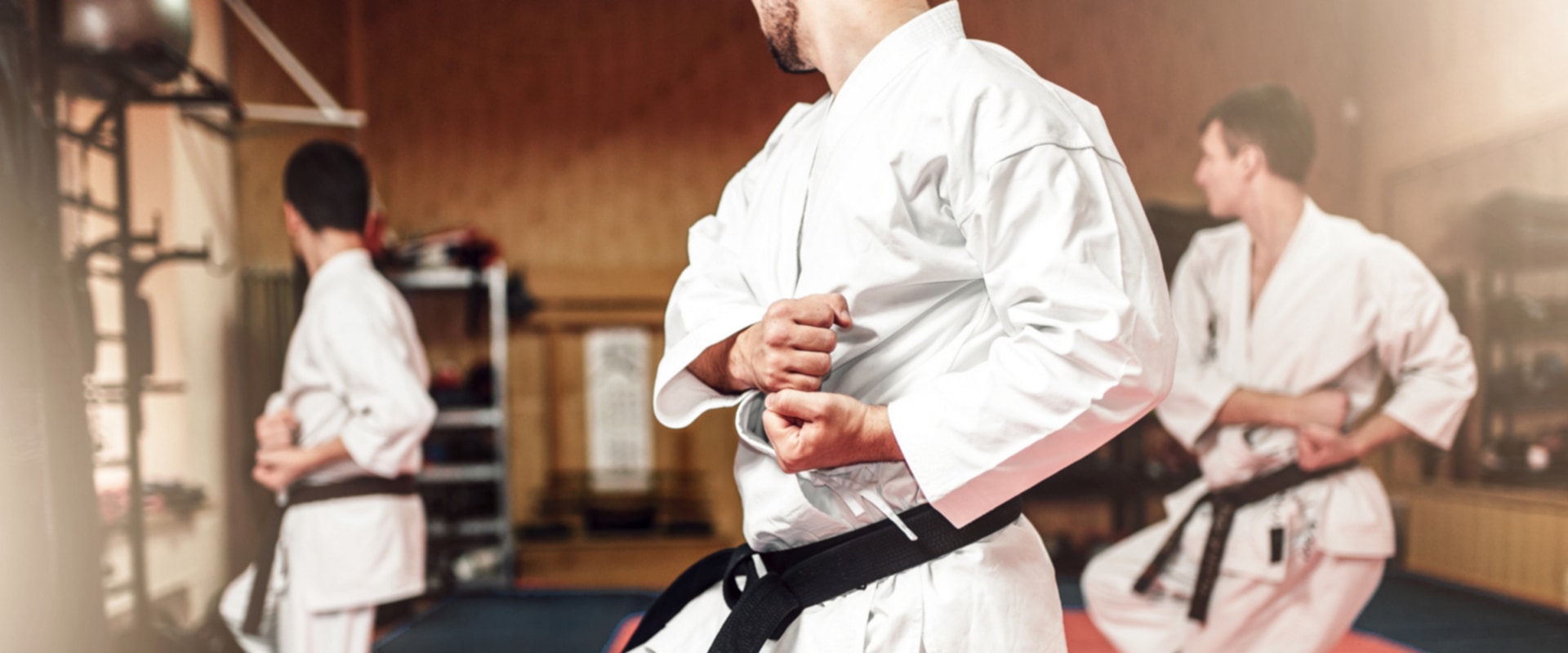
Mixed martial arts, commonly referred to as MMA, is a dynamic and multifaceted combat sport that integrates various martial arts disciplines. It encompasses techniques from boxing, wrestling, Brazilian jiu-jitsu, Muay Thai, judo, and many others, creating a comprehensive fighting style that allows practitioners to adapt to different combat scenarios. This unique blend of techniques not only makes MMA an exciting sport to watch but also a highly effective form of self-defense and physical conditioning. The origins of mixed martial arts can be traced back to ancient combat sports, where fighters would often combine techniques from different disciplines to gain an advantage over their opponents. However, the modern era of MMA began in the early 1990s with the establishment of the Ultimate Fighting Championship (UFC).
The UFC was created to determine which martial art was superior by pitting fighters from various backgrounds against one another in a no-holds-barred format. This groundbreaking event showcased the effectiveness of different fighting styles and led to the evolution of MMA as we know it today. As the sport gained popularity, it underwent significant changes in rules and regulations to enhance safety and promote fair competition. The introduction of weight classes, time limits, and a comprehensive set of rules helped legitimize MMA as a professional sport. Today, MMA is recognized globally, with millions of fans and practitioners participating in training and competitions.
The sport has evolved into a highly respected discipline that emphasizes not only physical prowess but also mental strategy and respect for opponents. Understanding mixed martial arts requires an appreciation for its rich history and the diverse techniques that contribute to its effectiveness. As fighters continue to innovate and adapt their training regimens, MMA remains at the forefront of combat sports, attracting new enthusiasts eager to learn about its intricacies and challenges.
The Evolution of Mixed Martial Arts
The journey of mixed martial arts (MMA) is a fascinating tale that intertwines various combat disciplines, evolving from ancient practices to the modern sport we recognize today. The roots of MMA can be traced back to the early days of combat sports, where different fighting styles were tested against one another in various cultures around the world. Historically, combat sports have existed for centuries. Ancient Greece featured Pankration, a no-holds-barred competition that combined elements of boxing and wrestling.Similarly, in Japan, Jujutsu and other traditional martial arts laid the groundwork for grappling techniques that would later influence MMA. These early forms of combat emphasized the importance of versatility and adaptability—qualities that are essential in modern MMA. The modern era of mixed martial arts began to take shape in the late 20th century. The first significant event that showcased various martial arts styles was the inaugural Ultimate Fighting Championship (UFC) held in 1993. This groundbreaking event aimed to determine which martial art was superior by pitting fighters from different disciplines against each other. The UFC's format allowed for a diverse range of techniques, including striking and grappling, which highlighted the effectiveness of a well-rounded skill set. One of the pivotal figures in this evolution was Royce Gracie , a Brazilian Jiu-Jitsu practitioner who dominated the early UFC events.
His success demonstrated the effectiveness of ground fighting and submission techniques, leading many fighters to incorporate Brazilian Jiu-Jitsu into their training regimens. This shift marked a significant turning point in MMA, as fighters began to realize that specialization in one discipline was no longer sufficient for success. As the sport grew, so did its regulations and safety measures. The introduction of weight classes, time limits, and medical examinations helped legitimize MMA as a professional sport. Organizations like Bellator and ONE Championship emerged alongside the UFC, further expanding the reach and popularity of mixed martial arts worldwide. Today, MMA continues to evolve with advancements in training methodologies, nutrition, and recovery techniques.
Fighters are now more well-rounded than ever before, often training in multiple disciplines simultaneously to prepare for their bouts. This evolution reflects not only the sport's rich history but also its dynamic nature as it adapts to new challenges and innovations.
Why Wrestling is Considered Essential for MMA
Wrestling is often regarded as a cornerstone of mixed martial arts (MMA) due to its unique ability to control the pace and flow of a fight. The techniques and strategies derived from wrestling provide fighters with a significant edge, both in standing exchanges and on the ground.Control and Dominance
One of the primary reasons wrestling is essential in MMA is its emphasis on control. Wrestlers are trained to dictate where the fight takes place, whether that’s keeping it standing or taking it to the ground.
This ability to control the fight can frustrate opponents and limit their offensive options. For instance, a fighter with strong wrestling skills can effectively neutralize an opponent's striking by closing the distance and clinching, thereby minimizing damage.
Effective Takedowns
Takedowns are a fundamental aspect of wrestling that translates seamlessly into MMA. Techniques such as single-leg and double-leg takedowns allow wrestlers to bring their opponents to the mat, where they can implement ground-and-pound strategies or transition into submission attempts. The ability to execute these takedowns not only scores points but also shifts momentum in favor of the wrestler.
Defensive Skills
Wrestlers are also adept at defending against takedowns, which is crucial in MMA.
A fighter who can effectively sprawl and counter an opponent's takedown attempt can maintain their standing position, allowing them to utilize their striking skills. This defensive prowess makes wrestlers formidable opponents, as they can thwart attacks while simultaneously looking for opportunities to score.
Ground Control
Once on the ground, wrestlers excel at maintaining top position, which is vital for scoring points and inflicting damage. Techniques such as guard passing and maintaining side control enable wrestlers to stay in dominant positions while minimizing risk. This ground control not only allows for effective striking but also opens up avenues for submissions, making it difficult for opponents to escape or mount a counter-offensive.
Strategic Advantages
The strategic advantages provided by wrestling extend beyond mere physicality.
Wrestlers often possess superior conditioning and mental toughness, which are critical in high-stakes fights. Their training emphasizes endurance and resilience, enabling them to push through adversity during bouts. This mental fortitude can be a game-changer when fights become grueling. In conclusion, wrestling serves as an essential foundation for success in MMA. Its techniques not only enhance a fighter's ability to control the fight but also provide them with the tools necessary to defend against various attacks.
As MMA continues to evolve, the importance of wrestling remains steadfast, solidifying its status as a vital component of any successful fighter's skill set.
The Role of Brazilian Jiu-Jitsu in Mixed Martial Arts
Brazilian Jiu-Jitsu (BJJ) plays a pivotal role in the landscape of mixed martial arts (MMA), serving as a foundational discipline that can significantly influence the outcome of fights. Its emphasis on ground fighting and submission techniques allows practitioners to control opponents effectively, making it an essential skill set for any serious MMA fighter. One of the most compelling aspects of BJJ is its focus on leverage and technique over brute strength. This principle enables smaller or less physically imposing fighters to overcome larger opponents by using superior positioning and submissions. Techniques such as the armbar , triangle choke , and rear-naked choke are not only effective but can also be executed from various positions, allowing fighters to capitalize on their opponent's mistakes.The Importance of Ground Game
The ground game is a critical component of MMA, and BJJ excels in this area.Once a fight goes to the ground, the ability to maintain control and apply submissions can turn the tide dramatically. Fighters trained in BJJ often have a distinct advantage when grappling, as they are adept at transitioning between positions, escaping from bad spots, and applying effective submissions.
- Guard Positions: The guard is a fundamental position in BJJ that allows fighters to defend against strikes while looking for submission opportunities. Mastery of various guard types—such as closed guard, open guard, and half guard—enables fighters to create openings for sweeps or submissions.
- Passing the Guard: Successfully passing an opponent's guard is crucial for gaining dominant positions. Techniques like the knee slice pass or the torreando pass can help fighters move from a defensive position to one where they can strike or submit.
- Submissions: BJJ offers a wide array of submission techniques that can end fights quickly.
Understanding how to set up submissions from different positions is vital for any MMA fighter looking to finish their opponent.
Striking Arts: Boxing and Muay Thai in MMA
In the realm of mixed martial arts (MMA), striking skills are crucial for success, and two of the most prominent striking arts are boxing and Muay Thai. Each discipline brings unique techniques and strategies that can significantly enhance a fighter's performance in the octagon.Boxing in MMA
Boxing is renowned for its emphasis on footwork, head movement, and powerful punches.The ability to deliver quick, precise strikes while maintaining defensive posture is essential in MMA. Boxers are trained to:
- Develop Speed: Quick hands can catch opponents off guard, allowing for effective counterattacks.
- Improve Footwork: Agile footwork helps fighters evade strikes and position themselves for optimal angles.
- Master Combinations: Boxers learn to throw combinations that can overwhelm opponents, creating openings for more significant strikes.
The Art of Eight Limbs: Muay Thai Techniques
Muay Thai, often referred to as the "Art of Eight Limbs," utilizes punches, kicks, elbows, and knees, making it a versatile striking art. This comprehensive approach allows fighters to engage their opponents from various angles and distances.Key aspects of Muay Thai that benefit MMA fighters include:
- Knees and Elbows: These techniques are particularly effective in close-range combat, allowing fighters to inflict damage while minimizing the risk of takedowns.
- Clinching: The clinch is a fundamental component of Muay Thai that enables fighters to control their opponents' movements and set up knee strikes or throws.
- Powerful Kicks: Muay Thai practitioners develop strong leg kicks that can damage an opponent's mobility and set up further attacks.
The Importance of Strategy and Adaptability in MMA Training
In the world of mixed martial arts (MMA), the ability to adapt and strategize is as crucial as physical skill. Fighters must not only master various techniques from different martial arts but also learn how to blend these styles effectively to create a unique fighting approach.This adaptability allows them to respond to their opponents' strengths and weaknesses, making it a vital component of successful MMA training. One of the key aspects of developing a strategic mindset in MMA is understanding the principles behind each martial art. For instance, a fighter trained in Brazilian Jiu-Jitsu (BJJ) may focus on ground control and submissions, while a Muay Thai practitioner might emphasize striking with elbows and knees. By recognizing the strengths of each discipline, fighters can formulate strategies that exploit their own advantages while neutralizing their opponents' skills.
Blending Techniques for Success
To create a well-rounded fighting style, fighters often blend techniques from various martial arts. This fusion not only enhances their versatility but also keeps opponents guessing.For example, a fighter might use wrestling to take an opponent down, then transition into BJJ for submission attempts. Alternatively, they could employ striking techniques from boxing or Muay Thai to keep the fight standing when advantageous. Moreover, adaptability in training methods is essential. Fighters should regularly assess their performance and adjust their training regimens accordingly. This might involve:
- Incorporating Sparring Sessions: Engaging in controlled sparring with partners who have different styles can help fighters learn how to adapt in real-time.
- Analyzing Fight Footage: Reviewing past fights allows fighters to identify patterns in their own behavior and that of their opponents, leading to more informed strategic decisions.
- Cross-Training: Participating in classes outside their primary discipline can expose fighters to new techniques and strategies that enhance their overall skill set.
They understand that each fight presents unique challenges and opportunities, requiring them to think critically and adjust their approach on the fly. By cultivating these skills through rigorous training and experience, fighters can elevate their performance in the cage and achieve greater success in the sport of mixed martial arts.
Choosing the Right Martial Art for Your Journey into MMA
Embarking on a journey into mixed martial arts (MMA) can be an exhilarating experience, but choosing the right martial art to start with is crucial for your success and enjoyment. With a plethora of options available, it’s essential to consider your personal goals, physical abilities, and preferences before making a decision. When selecting a martial art, ask yourself the following questions:- What are your goals? Are you looking to compete professionally, improve your fitness, learn self-defense, or simply enjoy a new hobby? Your objectives will significantly influence your choice.
- What is your current fitness level? Some martial arts require more physical conditioning than others. If you’re starting from scratch, consider beginning with a style that emphasizes technique over brute strength.
- Do you prefer striking or grappling? Understanding whether you are more interested in stand-up fighting (like boxing or Muay Thai) or ground fighting (like Brazilian Jiu-Jitsu or wrestling) can help narrow down your options.
- Brazilian Jiu-Jitsu (BJJ): Known for its focus on ground fighting and submissions, BJJ is excellent for beginners.
It teaches effective self-defense techniques and emphasizes leverage over strength.
- Muay Thai: This striking art incorporates punches, kicks, elbows, and knees. It’s practical for self-defense and helps build cardiovascular fitness while developing striking skills.
- Boxing: A fundamental striking art that focuses on footwork, head movement, and punching techniques. Boxing can enhance your hand speed and defensive skills.
Pay attention to the instructors’ teaching styles and the overall atmosphere of the gym; a supportive community can make all the difference in your training journey. Ultimately, the best martial art for you is one that aligns with your interests and goals while providing an enjoyable training experience. As you progress in your MMA journey, you may find that cross-training in multiple disciplines enhances your skills and understanding of the sport.
Common Misconceptions About Mixed Martial Arts
Mixed martial arts (MMA) is often surrounded by a cloud of misconceptions that can lead to misunderstandings about the sport and its practitioners. Addressing these myths is essential for anyone interested in understanding what MMA truly represents.Myth 1: MMA is Just Street Fighting
One of the most prevalent misconceptions is that MMA resembles street fighting. In reality, MMA is a highly regulated sport that combines various martial arts disciplines, including boxing, wrestling, judo, and Brazilian jiu-jitsu.
Fighters undergo rigorous training and adhere to strict rules during competitions, which are designed to ensure safety and fairness.
Myth 2: MMA Fighters Are Untrained Brawlers
Another common myth is that MMA fighters are simply untrained individuals who engage in violent brawls. On the contrary, successful MMA fighters are highly skilled athletes who dedicate years to mastering multiple martial arts. They train in various techniques, conditioning, and strategy to excel in the octagon.
Myth 3: All MMA Fights Are Brutal and Violent
While it’s true that MMA can be intense, it is not synonymous with mindless violence. The sport emphasizes technique, strategy, and respect among competitors.
Many fights showcase incredible displays of skill and sportsmanship, with fighters often congratulating each other after bouts.
Myth 4: Women Don’t Compete in MMA
This misconception is rapidly fading as women have made significant strides in the sport. Female fighters have gained recognition and respect, with organizations like the UFC showcasing talented women athletes who compete at the highest levels. The rise of female champions has helped to break down barriers and stereotypes surrounding women in combat sports.
Myth 5: You Need to Be an Expert in Multiple Martial Arts to Start Training
Many people believe that they must be proficient in several martial arts before stepping into an MMA gym. However, this is far from the truth.
Most gyms welcome beginners and offer classes tailored to different skill levels. Newcomers can start training in one discipline and gradually expand their knowledge as they progress. By debunking these common misconceptions about mixed martial arts, we can foster a better understanding of the sport and encourage more individuals to explore its many benefits. Whether for fitness, self-defense, or competition, MMA offers something for everyone willing to learn.
Conclusion: The Future of Mixed Martial Arts as a Sport and Discipline
As we reflect on the evolution and significance of mixed martial arts (MMA), it becomes clear that this dynamic sport is not just a collection of fighting techniques but a comprehensive discipline that fosters personal growth, respect, and athletic excellence. Throughout this article, we have explored the various martial arts that contribute to MMA, including boxing, wrestling, Brazilian jiu-jitsu, and Muay Thai, each offering unique advantages and challenges.The integration of these diverse styles has created a rich tapestry of combat skills that athletes can utilize in the octagon. The future of mixed martial arts as a competitive sport looks promising. With the increasing popularity of organizations like the UFC, more athletes are drawn to the sport, leading to a surge in talent and innovation. As fighters continue to push the boundaries of what is possible in the cage, we can expect to see new techniques and strategies emerge. This evolution will not only enhance the level of competition but also attract a broader audience, further solidifying MMA's place in the sports world. Moreover, mixed martial arts serves as an exceptional platform for personal development.
Many practitioners find that training in MMA instills discipline, resilience, and confidence. These qualities extend beyond the gym and into everyday life, making MMA a valuable tool for self-improvement. As more people recognize these benefits, we anticipate an increase in participation at all levels—from recreational practitioners to elite competitors. In addition to its physical benefits, MMA promotes a culture of respect among its practitioners. Fighters learn to appreciate the intricacies of various martial arts and develop a sense of camaraderie with their peers.
This respect is crucial for fostering a positive environment where athletes can thrive and support one another. In conclusion, mixed martial arts stands at a pivotal moment in its history. As it continues to grow as both a sport and a means of personal development, we can look forward to witnessing its evolution in the coming years. The blend of competition, respect for diverse martial arts disciplines, and opportunities for personal growth will ensure that MMA remains a vital part of the athletic landscape.