Know the whole fight.
Exploring the Martial Arts Disciplines in Mixed Martial Arts (MMA)
Discover the key martial arts disciplines that shape MMA, including Brazilian Jiu-Jitsu, Muay Thai, wrestling, and more.
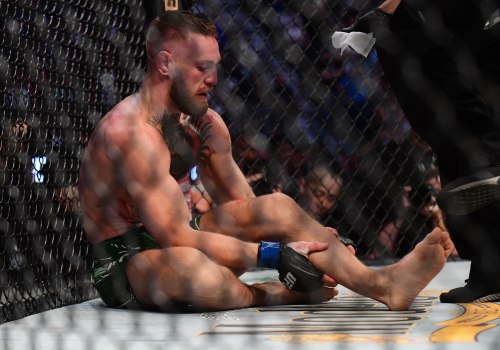
Mixed martial arts, commonly referred to as MMA, is a multifaceted combat sport that has gained immense popularity across the globe. It is characterized by the integration of various martial arts disciplines, allowing fighters to utilize a wide range of techniques and strategies. The essence of MMA lies in its versatility; practitioners are trained in striking, grappling, and ground fighting, making it a comprehensive approach to combat. This unique blend not only enhances the effectiveness of fighters but also captivates audiences with its dynamic and unpredictable nature. The origins of mixed martial arts can be traced back to ancient combat sports, where different fighting styles were tested against one another.
However, the modern incarnation of MMA began to take shape in the early 1990s with the establishment of organizations like the Ultimate Fighting Championship (UFC). These events showcased fighters from diverse backgrounds—such as boxing, Brazilian jiu-jitsu, wrestling, and Muay Thai—competing under a unified set of rules. This format not only highlighted the effectiveness of various martial arts but also sparked a global interest in training and participating in MMA. As MMA evolved, it began to adopt more structured regulations and safety measures, leading to its recognition as a legitimate sport. The introduction of weight classes, time limits, and referee oversight transformed MMA into a more organized competition.
Today, it is not just a sport but also a cultural phenomenon that influences fitness trends and self-defense practices worldwide. Understanding the history and development of MMA is crucial for anyone interested in exploring the martial arts disciplines that contribute to this exciting sport.
The Core Martial Arts Disciplines in MMA
Mixed martial arts (MMA) is a multifaceted sport that draws from various martial arts disciplines, each contributing unique techniques and strategies to the overall fighting style. Understanding these core disciplines is essential for anyone looking to excel in MMA.1.Brazilian Jiu-Jitsu (BJJ)
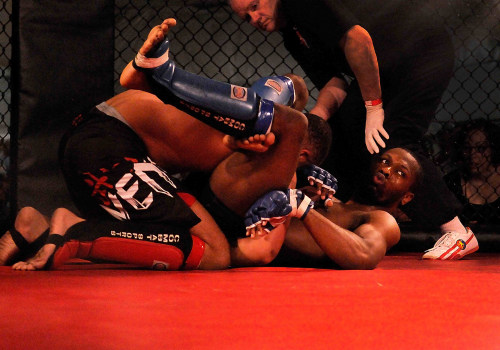
Brazilian Jiu-Jitsu is a grappling-based martial art that emphasizes ground fighting and submission holds. Practitioners learn how to control opponents through techniques such as joint locks and chokeholds.
BJJ is particularly effective in MMA because it allows fighters to neutralize larger opponents by using leverage and technique rather than brute strength. In competitions, BJJ practitioners often aim to take the fight to the ground, where they can utilize their skills to secure a dominant position or submit their opponent.
2.Muay Thai
Known as the "Art of Eight Limbs," Muay Thai incorporates punches, kicks, elbows, and knee strikes, making it a versatile striking art. The clinch work in Muay Thai is also crucial for controlling opponents at close range. Fighters trained in Muay Thai develop powerful striking abilities and effective defensive techniques, which are vital in stand-up exchanges during MMA bouts.
3.Wrestling
Wrestling is a foundational discipline in MMA due to its focus on takedowns and control.
Wrestlers excel at dictating the pace of a fight by either taking their opponents down or defending against takedowns effectively. The ability to transition between striking and grappling seamlessly is a significant advantage for wrestlers in MMA competitions.
4.Boxing
Boxing contributes essential striking skills, including footwork, head movement, and powerful punches. Boxers are trained to deliver quick combinations while maintaining defensive postures, which is crucial in avoiding strikes from opponents. The emphasis on timing and distance management in boxing enhances a fighter's overall striking game in MMA.
5.Judo
Judo focuses on throws and takedowns, utilizing an opponent's weight and balance against them.
This discipline is particularly useful for MMA fighters looking to take their opponents down without absorbing significant strikes. Judo practitioners can also employ ground control techniques after executing throws, making it a valuable addition to an MMA fighter's skill set. In summary, the integration of these core martial arts disciplines—Brazilian Jiu-Jitsu, Muay Thai, wrestling, boxing, and judo—creates a well-rounded fighter capable of adapting to various combat scenarios in mixed martial arts competitions. Each discipline offers distinct advantages that can be strategically employed depending on the opponent's strengths and weaknesses.
Wrestling: The Foundation of MMA
Wrestling serves as a crucial foundation in the realm of mixed martial arts (MMA), providing fighters with essential skills that enhance their overall performance in the cage. The discipline encompasses various styles, each contributing unique techniques and strategies that are vital for success in MMA competitions. Among the most prominent styles of wrestling utilized in MMA are:- Freestyle Wrestling: This style emphasizes agility and speed, allowing fighters to execute quick takedowns and transitions.
Freestyle wrestlers are trained to score points through takedowns and reversals, making them adept at controlling opponents on the ground.
- Greco-Roman Wrestling: Unlike freestyle, Greco-Roman wrestling focuses on upper body techniques, including throws and clinches. This style is particularly effective in MMA for establishing dominant positions and executing powerful throws that can lead to advantageous ground control.
- Collegiate Wrestling: Predominantly practiced in the United States, collegiate wrestling combines elements of both freestyle and Greco-Roman styles. Wrestlers trained in this discipline often possess a strong understanding of mat control and positional grappling, which are essential for effective ground fighting in MMA.
This ability to control the fight's dynamics is crucial, as it enables wrestlers to avoid dangerous striking exchanges while seeking opportunities to take their opponents down. Moreover, wrestling techniques such as single-leg and double-leg takedowns are fundamental tools for MMA fighters. These techniques not only allow for effective takedowns but also facilitate transitions into ground-and-pound or submission attempts once on the mat. Wrestlers are trained to maintain top position, which is advantageous for scoring points and inflicting damage. In addition to offensive capabilities, wrestling instills a strong sense of conditioning and mental toughness. The rigorous training involved in wrestling prepares fighters for the physical demands of MMA, ensuring they can endure high-pressure situations during bouts. Ultimately, incorporating wrestling into an MMA fighter's training regimen enhances their grappling skills, improves their ability to control fights, and contributes significantly to their overall effectiveness inside the octagon.
As such, aspiring MMA athletes should prioritize wrestling as a foundational discipline to build a well-rounded skill set.
Brazilian Jiu-Jitsu: Mastering Ground Fighting
Brazilian Jiu-Jitsu (BJJ) is a cornerstone of mixed martial arts (MMA), particularly when it comes to ground fighting. This martial art emphasizes the importance of technique over brute strength, allowing smaller practitioners to effectively defend themselves against larger opponents. In MMA, where fights can transition from standing to ground positions rapidly, mastering BJJ techniques is essential for any fighter aiming for success. One of the primary focuses of BJJ in MMA is positional control. This involves maintaining advantageous positions on the ground to either strike or set up submissions.Key positions include:
- Mount: Sitting on top of an opponent, this position allows for powerful strikes and submission opportunities.
- Back Control: Gaining control from behind an opponent provides a strategic advantage for applying chokes and other submissions.
- Guard: This position allows a fighter on the bottom to defend against strikes while looking for submission opportunities or sweeps to regain a dominant position.
- Rear-Naked Choke: A highly effective choke applied from back control, often leading to quick finishes.
- Armbar: A joint lock that hyperextends the elbow, which can be executed from various positions, including guard and mount.
- Triangle Choke: A choke that uses the legs to create a triangle around the opponent's neck and arm, effectively cutting off blood flow.
Striking Arts: Boxing and Muay Thai
In the realm of mixed martial arts (MMA), striking plays a pivotal role in a fighter's overall skill set.Among the various striking arts, boxing and Muay Thai stand out as two of the most influential disciplines that contribute significantly to a fighter's effectiveness in the cage.
Boxing in MMA
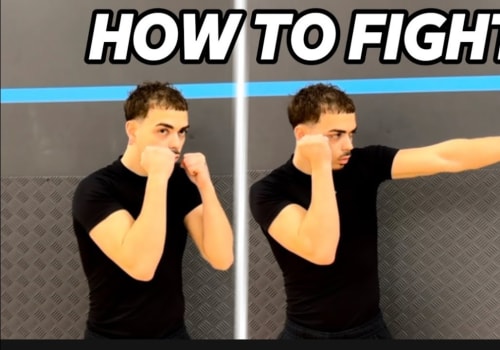
Boxing is renowned for its emphasis on hand strikes, footwork, and defensive maneuvers. In MMA, boxers bring a unique set of skills that can be game-changing during a fight. Key techniques include:- Jabs: The jab is a fundamental tool for controlling distance and setting up combinations. It allows fighters to gauge their opponent's reach while keeping them at bay.
- Crosses: A powerful straight punch that can deliver significant damage when executed correctly.
Boxers often use crosses to capitalize on openings created by their jabs.
- Hooks and Uppercuts: These punches are essential for close-range combat, allowing fighters to target the head and body effectively.
- Footwork: Boxers are trained to move fluidly around the ring, which translates well into the octagon. Good footwork helps maintain balance and positioning, making it easier to evade strikes and counterattack.
Muay Thai Techniques for Mixed Martial Arts
Often referred to as the "Art of Eight Limbs," Muay Thai utilizes punches, kicks, elbows, and knees, making it a versatile striking art. Its techniques are particularly effective in MMA due to their adaptability in various fighting scenarios. Some key aspects include:- Knees: Knee strikes can be devastating in clinch situations, allowing fighters to inflict damage while controlling their opponent's posture.
- Elbows: Elbow strikes are effective for close-range combat and can cause significant cuts or damage, often leading to stoppages in fights.
- Kicks: Muay Thai kicks are powerful and can target different areas of the body.
Low kicks can disrupt an opponent's balance, while high kicks can end fights quickly.
- The Clinch: Muay Thai emphasizes clinching techniques that allow fighters to control their opponents while delivering knee strikes or setting up throws.
Other Influential Martial Arts in MMA
In the realm of mixed martial arts (MMA), fighters draw from a diverse array of martial arts disciplines to enhance their performance and adaptability in the cage. While Brazilian jiu-jitsu, wrestling, and Muay Thai are often highlighted as foundational styles, other martial arts also play a crucial role in shaping a fighter's skill set. Among these, karate and judo stand out for their unique contributions to MMA strategies.Karate's Impact on MMA
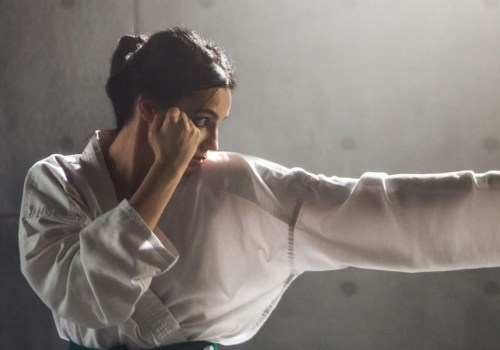
Karate is renowned for its emphasis on striking techniques, including powerful kicks and precise punches.This martial art teaches practitioners to maintain distance and utilize footwork effectively, which is essential in MMA. The fluidity and speed of karate techniques allow fighters to deliver quick strikes while evading incoming attacks. One of the most significant advantages of incorporating karate into MMA training is the development of timing and rhythm. Karate practitioners learn to anticipate their opponent's movements, enabling them to counter effectively. Additionally, the mental discipline cultivated through karate training enhances focus and composure during high-pressure situations in the octagon. Fighters like Stephen Thompson , who has a strong background in karate, have demonstrated how this martial art can be effectively integrated into MMA.
Thompson's unique stance and striking style showcase the effectiveness of karate techniques when adapted for mixed martial arts competition.
The Role of Judo in MMA
Judo
, with its focus on throws and grappling techniques, provides MMA fighters with essential skills for controlling opponents on the ground. The ability to execute effective takedowns can significantly alter the dynamics of a fight, allowing a fighter to dictate the pace and positioning. Judo techniques such as ippon seoi nage (one-arm shoulder throw) and osoto gari (major outer reap) are particularly valuable in MMA. These throws not only help in taking an opponent down but also create opportunities for ground-and-pound or submission attempts once on the mat. The strategic use of judo can also enhance a fighter's defensive capabilities. By mastering judo's principles of balance and leverage, fighters can effectively counter takedown attempts from their opponents, maintaining control over the fight's flow.
Other Influential Martial Arts
Apart from karate and judo, several other martial arts contribute to a well-rounded MMA skill set:- Tai Chi: While not commonly associated with competitive fighting, Tai Chi enhances balance, flexibility, and breathing control, which can be beneficial for recovery and mental clarity.
- Kickboxing: This striking art combines elements of boxing with kicks, providing fighters with a comprehensive striking arsenal that is effective in both stand-up exchanges and clinch situations.
- Sambo: A Russian martial art that blends judo and wrestling techniques, Sambo focuses on both grappling and striking, making it an excellent addition to any MMA fighter's training regimen.
As the sport continues to evolve, the blending of different styles will remain a hallmark of successful fighters in mixed martial arts.
Cross-Training: The Key to Success in MMA
In the realm of mixed martial arts (MMA), cross-training is not just a supplementary practice; it is a fundamental strategy that can significantly enhance a fighter's performance. By engaging in multiple martial arts disciplines, fighters develop a diverse skill set that allows them to adapt to various fighting styles and situations.Benefits of Cross-Training in MMA
- Enhanced Skill Set: Cross-training enables fighters to learn techniques from different martial arts, such as Brazilian jiu-jitsu for grappling, Muay Thai for striking, and wrestling for takedowns. This variety equips them with tools to handle opponents with different strengths.
- Improved Adaptability: In the octagon, adaptability is crucial. A fighter who has trained in multiple disciplines can switch strategies mid-fight, responding effectively to an opponent's tactics.
This flexibility can be the difference between victory and defeat.
- Increased Confidence: Mastering various techniques boosts a fighter's confidence. Knowing they can rely on different skills allows them to approach fights with a positive mindset, reducing anxiety and enhancing performance under pressure.
- Physical Conditioning: Different martial arts emphasize various physical attributes. For instance, boxing improves hand speed and footwork, while judo enhances balance and core strength. Cross-training leads to well-rounded physical conditioning, which is essential for enduring the rigors of MMA.
Training Strategies for Fighters
To maximize the benefits of cross-training, fighters should adopt specific training strategies:
- Structured Schedule: Create a training schedule that allocates time for each discipline.
For example, dedicating certain days to striking arts like boxing or Muay Thai, while reserving others for grappling arts like jiu-jitsu or wrestling.
- Focus on Fundamentals: While exploring various styles, it’s essential to maintain a strong foundation in each discipline. Regularly revisiting basic techniques ensures that fighters do not lose proficiency in any area.
- Sparring with Diverse Partners: Engaging with training partners from different martial arts backgrounds can provide unique challenges and perspectives. This exposure helps fighters learn how to apply their skills against varied opponents.
- Mental Conditioning: Cross-training also involves mental preparation. Visualization techniques and studying fight footage from various styles can help fighters anticipate and strategize against different fighting approaches.
By embracing a multifaceted training approach, fighters not only enhance their technical abilities but also cultivate the mental resilience needed to thrive in the competitive landscape of MMA.
The Evolution of Mixed Martial Arts Competitions
The journey of mixed martial arts (MMA) competitions is a fascinating tale of evolution, marked by significant milestones that have shaped the sport into its current form. The roots of MMA can be traced back to ancient combat sports, but the modern era began to take shape in the early 1990s. One of the pivotal moments in the history of MMA was the inaugural event of the Ultimate Fighting Championship (UFC) held on November 12, 1993. This event was groundbreaking as it brought together fighters from various disciplines, including Brazilian jiu-jitsu, boxing, wrestling, and karate, to compete under a unified set of rules. The UFC aimed to determine which martial art was the most effective in real combat situations. This concept attracted significant attention and controversy, as it challenged traditional views on martial arts. As the UFC gained popularity, it faced numerous challenges, including legal battles and public scrutiny regarding its safety and legitimacy.In response to these concerns, the organization implemented stricter regulations and weight classes, which helped to legitimize the sport. By the late 1990s and early 2000s, MMA began to shed its reputation as a brutal spectacle and emerged as a respected sport. Key events during this period included UFC 40 in 2002, which featured a highly publicized match between Tito Ortiz and Ken Shamrock. This fight not only drew significant pay-per-view numbers but also showcased the growing fan base for MMA. The introduction of The Ultimate Fighter reality series in 2005 further propelled the sport into mainstream culture, introducing new audiences to the world of MMA. In addition to the UFC, other organizations such as Pride Fighting Championships and Strikeforce played crucial roles in expanding the reach of mixed martial arts globally.
Pride FC, based in Japan, was known for its elaborate events and high-profile fighters, contributing to the international appeal of MMA. Today, mixed martial arts competitions are held worldwide, with numerous promotions hosting events that attract millions of viewers. The evolution of MMA has transformed it into a multifaceted sport that emphasizes not only physical prowess but also strategy and technique. As we look ahead, it is clear that mixed martial arts will continue to evolve, driven by innovation in training methods and an ever-growing global fan base.
Conclusion: The Future of Mixed Martial Arts Training
As we look towards the future of mixed martial arts (MMA) training, it is essential to reflect on the key elements that have shaped this dynamic sport. The integration of various martial arts disciplines has not only enriched the training methodologies but has also enhanced the overall effectiveness of fighters in the cage.From wrestling and Brazilian jiu-jitsu to Muay Thai and boxing, each discipline contributes unique techniques and strategies that are vital for success in MMA. One significant trend in the future of MMA training is the increasing emphasis on cross-training. Fighters are no longer confined to mastering a single discipline; instead, they are encouraged to develop a well-rounded skill set that allows them to adapt to different opponents and fight scenarios. This holistic approach not only improves individual performance but also fosters a deeper understanding of combat sports as a whole. Moreover, advancements in technology are poised to revolutionize how athletes train. The use of virtual reality and augmented reality in training regimens can provide fighters with immersive experiences that simulate real fight conditions.
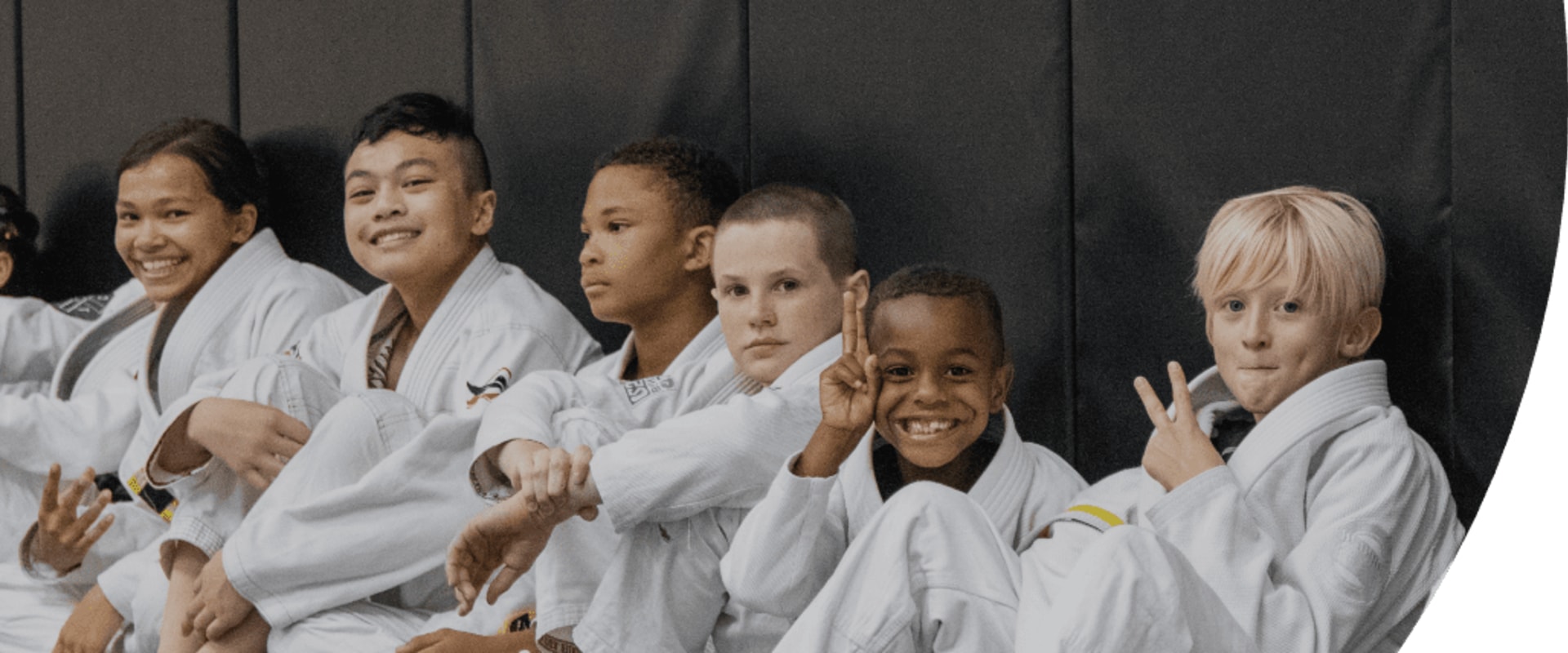
These technologies can help athletes analyze their movements, improve their techniques, and prepare mentally for competition. Another aspect to consider is the growing popularity of MMA among women and younger athletes. As more female fighters gain recognition and success in major promotions, there is a surge in female participation at all levels of training. Additionally, youth programs are becoming increasingly prevalent, introducing children to the fundamentals of mixed martial arts early on. This trend not only promotes physical fitness but also instills values such as discipline, respect, and perseverance. In conclusion, the future of mixed martial arts training is bright and full of potential.
With ongoing innovations in training techniques, technology integration, and increased inclusivity, MMA is set to evolve further. As fighters continue to push the boundaries of what is possible within this sport, we can expect to see even more exciting developments in both training methodologies and competitive formats.