Know the whole fight.
Understanding the Prevalence of Broken Bones in Mixed Martial Arts
Explore the prevalence of broken bones in MMA, common injuries, prevention strategies, and real-life fighter experiences.
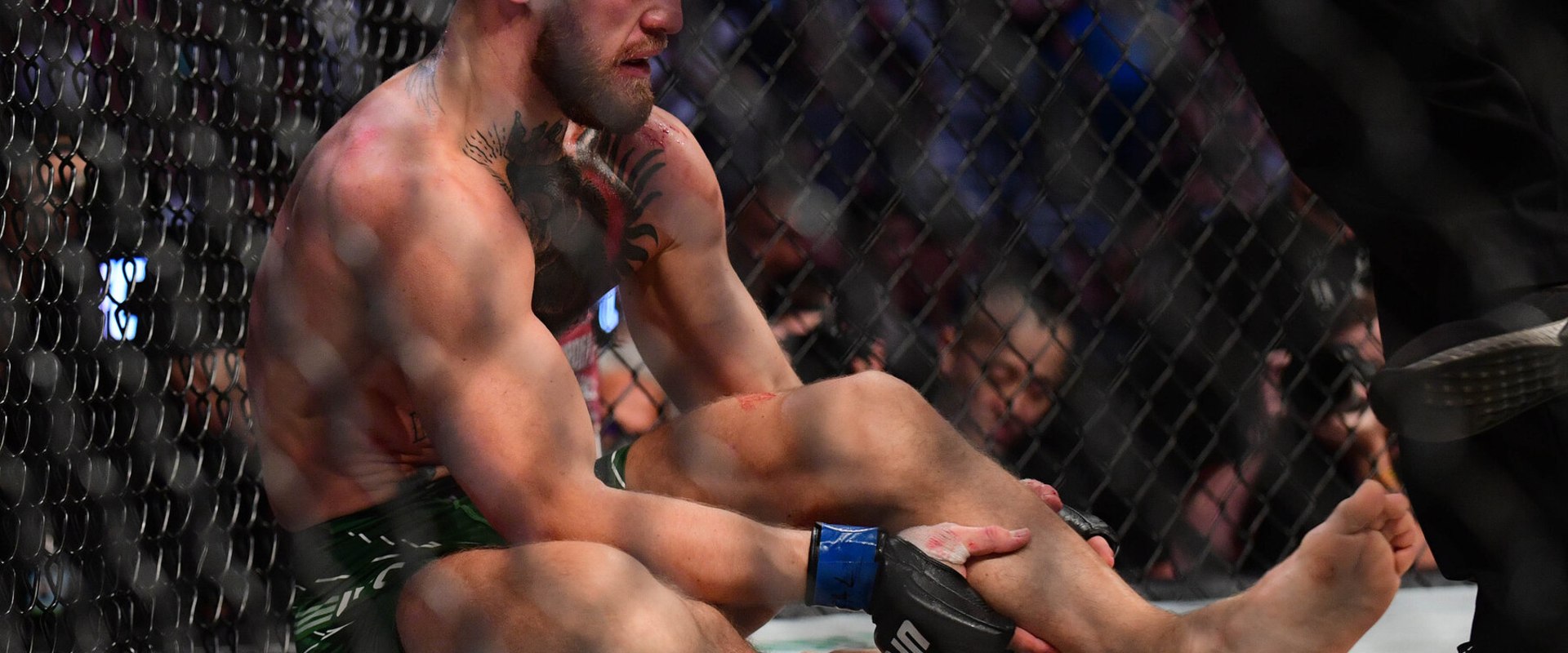
Mixed martial arts, commonly referred to as MMA, is a dynamic and multifaceted combat sport that combines various fighting techniques from disciplines such as boxing, wrestling, jiu-jitsu, and Muay Thai. This full-contact sport is not only a test of physical strength and skill but also a demonstration of mental fortitude and strategy. As athletes engage in intense training and competition, they expose themselves to a range of risks, particularly injuries that can occur in the heat of battle. The nature of MMA inherently involves high-impact strikes, grappling maneuvers, and submissions, all of which can lead to significant injuries. Among these injuries, broken bones are notably prevalent.
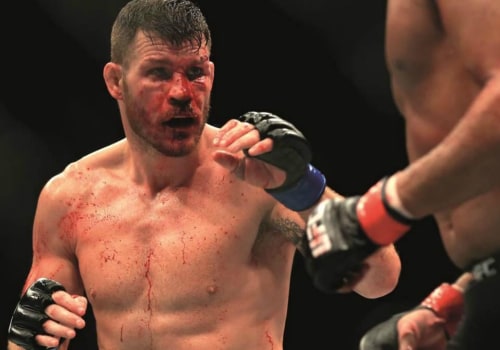
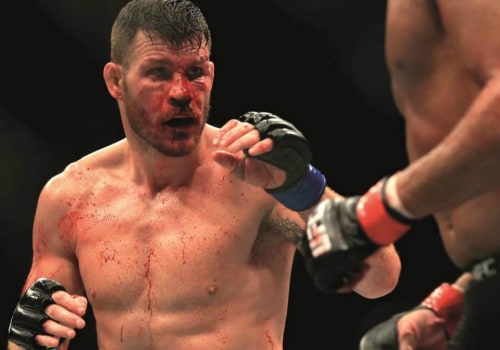
Fighters often experience fractures due to the sheer force exerted during punches, kicks, and takedowns. The risk is exacerbated by the minimal protective gear worn during fights, which leaves many areas of the body vulnerable to injury. Understanding the types of injuries that can occur in MMA is crucial for both aspiring fighters and fans alike. Common fractures include those of the hands, particularly around the knuckles, as well as facial injuries such as nasal and orbital fractures. These injuries not only impact a fighter's performance but can also have long-term consequences on their health and career longevity.
As we delve deeper into the statistics surrounding broken bones in MMA, it becomes clear that while the sport is thrilling and competitive, it also carries significant risks that must be acknowledged.
The Nature of Injuries in MMA
Mixed martial arts (MMA) is a sport that, by its very nature, involves a high risk of injury. The combination of striking, grappling, and ground fighting techniques leads to a variety of injuries, with broken bones being among the most common. Understanding the prevalence and types of injuries in MMA can provide valuable insights for both fighters and fans alike. Statistics indicate that injuries are a frequent occurrence in MMA competitions. Research shows that approximately 30% to 40% of fighters sustain some form of injury during a match.Among these injuries, fractures are particularly notable. A study analyzing fight data from various organizations found that broken bones accounted for about 10% to 15% of all reported injuries. The most frequently fractured bones in MMA include:
- Hands: The hands are particularly vulnerable due to the impact of striking. Fractures often occur behind the third and fourth knuckles when a fighter throws a punch with full force.
- Nose: Nasal fractures are common, especially given the frequency of strikes to the face. Fighters often experience these injuries both in training and during actual bouts.
- Orbital Bones: The bones surrounding the eye sockets are also prone to fractures, typically resulting from direct hits or falls.
- Tibia: The tibia can suffer fractures during kicks or when a fighter lands awkwardly after being taken down.
Knee injuries are particularly prevalent due to the complex movements required during grappling and striking exchanges. While training can help mitigate some risks, the reality is that injuries are an inherent part of the sport. Fighters often push their bodies to the limit, which can lead to both acute injuries during fights and chronic issues over time. It is essential for athletes to engage in proper conditioning and recovery practices to minimize their risk of injury. In conclusion, broken bones and other injuries are a significant aspect of mixed martial arts. Understanding these risks can help fighters prepare better and make informed decisions about their training and competition strategies.
Common Types of Bone Fractures in MMA
In the high-octane world of mixed martial arts (MMA), injuries are an unfortunate reality, with bone fractures being among the most common.Understanding the types of fractures that occur can provide insight into the risks fighters face and the nature of the sport itself. One of the most frequently fractured bones in MMA is the hand, particularly around the third and fourth knuckles. This vulnerability arises from the forceful impact of punches thrown during fights. When a fighter lands a strike on an opponent's head or a hard surface, the delicate bones in the hand can easily fracture. The repetitive nature of training and sparring further exacerbates this risk, as fighters often condition their hands by striking pads or heavy bags. The nose is another common site for fractures in MMA.
Given that fighters often engage in close-quarters combat, facial injuries are prevalent. A well-placed punch can lead to a nasal fracture, which not only causes immediate pain but can also affect breathing and vision temporarily. Fighters like Conor McGregor and Anthony Pettis have experienced nasal fractures during their careers, highlighting how even elite athletes are not immune to such injuries. Facial fractures extend beyond just the nose; orbital fractures around the eye sockets are also frequent. These injuries can occur from punches or accidental collisions during grappling exchanges.
An orbital fracture can lead to significant complications, including vision problems and long recovery times, which may sideline a fighter for extended periods. Other common areas for fractures include:
- Arms: Fractures in the forearm or elbow can occur when a fighter blocks a strike or falls awkwardly.
- Tibia: The shinbone is susceptible to fractures due to kicks and leg checks, especially when two fighters collide with force.
- Hands: Beyond knuckle fractures, small bones in the hands can break from both offensive strikes and defensive maneuvers.
Factors Contributing to Bone Fractures in MMA
Bone fractures in mixed martial arts (MMA) are influenced by a variety of factors that stem from the nature of the sport itself.Understanding these factors can provide insight into why injuries occur and how they can be mitigated.
1.Fighting Techniques
- Striking Techniques: The use of powerful strikes, such as punches and kicks, places immense stress on the bones of the hands, feet, and legs. Fighters often target their opponent's head and body with full force, which can lead to fractures, especially in the hands and wrists when striking hard surfaces.
- Grappling and Takedowns: Techniques involving grappling can also contribute to injuries. When fighters engage in takedowns or submissions, they may inadvertently place their own limbs in vulnerable positions, leading to fractures or dislocations.
- Defensive Maneuvers: While defending against strikes, fighters may raise their arms or shift their bodies in ways that expose them to injury. For instance, blocking a kick with an arm can result in a fracture if the impact is severe enough.
2.Lack of Protective Gear
MMA is unique among combat sports due to its minimal use of protective equipment.
Unlike boxing or kickboxing, where fighters wear gloves and headgear, MMA fighters typically wear only lightweight gloves that offer limited protection. This lack of padding increases the risk of bone injuries during both training and competition.
3.Physical Demands
- High Intensity: The physical demands of MMA training and competition are significant. Fighters undergo rigorous training regimens that include striking, grappling, and conditioning exercises. This high level of intensity can lead to fatigue, which may impair a fighter's ability to defend themselves effectively and increase the likelihood of injury.
- Weight Cutting: Many fighters engage in weight cutting before competitions to meet weight class requirements.
This process can weaken bones and muscles due to dehydration and nutrient depletion, making them more susceptible to fractures during fights.
- Repetitive Stress: The repetitive nature of training can lead to overuse injuries. For example, consistent striking without adequate recovery can result in stress fractures in the hands or feet.
Injury Prevention Strategies for MMA Fighters
In the high-stakes world of mixed martial arts (MMA), injury prevention is crucial for fighters aiming to maintain their performance and longevity in the sport. While injuries, including broken bones, are an inherent risk, there are several strategies that athletes can employ to minimize their chances of sustaining serious injuries.Proper Training Techniques
One of the most effective ways to prevent injuries is through proper training techniques.Fighters should focus on:
- Technique over Power: Emphasizing correct form and technique during training can significantly reduce the risk of injury. This includes practicing strikes, grappling, and defensive maneuvers with precision rather than sheer force.
- Gradual Progression: Increasing intensity and complexity in training should be done gradually. Fighters should avoid jumping into high-impact sparring sessions without adequate preparation.
- Cross-Training: Engaging in complementary sports or activities can enhance overall fitness and reduce the risk of overuse injuries. Activities like swimming, yoga, or strength training can improve flexibility and strength.
Use of Protective Equipment
The right protective gear is essential for minimizing injury risks in MMA.Fighters should consider:
- Hand Wraps and Gloves: Properly wrapping hands and using well-fitted gloves can help protect the bones in the hands and wrists during striking.
- Shin Guards: Wearing shin guards during training can help absorb impact when kicking or blocking, reducing the likelihood of fractures.
- Headgear: While not always used in professional bouts, headgear can provide additional protection during sparring sessions, particularly for beginners.
Conditioning Methods
A well-rounded conditioning program is vital for preparing the body to withstand the rigors of MMA. Key components include:- Strength Training: Building muscle strength around vulnerable joints can provide better support and stability, reducing the risk of fractures.
- Flexibility Training: Incorporating stretching routines can enhance flexibility, which may help prevent injuries by allowing for a greater range of motion.
- Recovery Protocols: Implementing proper recovery strategies such as rest days, ice therapy, and physiotherapy can help athletes recover from training stress and prevent overuse injuries.
Treatment Options for Bone Fractures in MMA
When it comes to mixed martial arts, the risk of sustaining bone fractures is a significant concern for fighters. Understanding the treatment options available is crucial for effective recovery and return to the sport. Treatment approaches can vary widely depending on the severity of the fracture.Minor Fractures
- Minor fractures, often referred to as hairline fractures, typically involve small cracks in the bone.
These injuries are common in MMA, especially in the hands and feet due to repeated impact.
- For these types of injuries, treatment usually involves immobilization. A doctor may recommend placing the affected area in a cast or splint to allow for proper healing.
- Rest is essential; fighters are advised to avoid any activities that could exacerbate the injury. Ice therapy can also help reduce swelling and alleviate pain.
Moderate to Severe Fractures
- More serious fractures, such as those that completely break a bone or involve multiple fragments, often require surgical intervention. This may include the use of plates, screws, or rods to stabilize the bone during the healing process.
- Post-surgery, a rehabilitation program is critical.
This may involve physical therapy to restore strength and mobility, focusing on gradual reintroduction to training and sparring.
- Recovery time can vary significantly based on the type of fracture and individual healing rates, but fighters should expect several weeks to months before returning to full activity.
Medical Care and Monitoring
- Throughout the recovery process, ongoing medical care is vital. Regular check-ups with healthcare professionals ensure that fractures are healing correctly and that there are no complications.
- Fighters should also be educated about recognizing signs of complications, such as increased pain or swelling, which could indicate issues with healing.
Real-Life Examples: Fighters Who Have Suffered Broken Bones
In the world of mixed martial arts (MMA), injuries are an unfortunate reality, and broken bones are among the most severe. Many fighters have faced the daunting challenge of recovering from such injuries, which can significantly impact their careers.Here are some notable examples of fighters who have suffered broken bones and how these injuries affected their performance.
Anderson Silva
One of the most infamous cases in MMA history is that of Anderson Silva, a former UFC Middleweight Champion. During his title fight against Chris Weidman at UFC 168, Silva suffered a horrific leg fracture when he attempted a low kick. The impact caused his tibia and fibula to snap, leading to immediate medical attention and a lengthy recovery process. This injury not only ended his reign as champion but also raised questions about his future in the sport.Silva's resilience shone through as he made a comeback, but the injury left an indelible mark on his career.
Frank Mir
Another prominent fighter, Frank Mir, is known for his grappling skills and submission techniques. However, he also has a history of serious injuries. In a fight against Tim Sylvia at UFC 48, Mir executed a keylock submission that resulted in Sylvia's arm breaking. This incident not only showcased Mir's grappling prowess but also highlighted the potential for severe injuries in MMA.Mir himself has faced multiple injuries throughout his career, including a broken leg that sidelined him for an extended period.
Ronda Rousey
Ronda Rousey, a pioneer in women's MMA, also experienced her share of injuries. In her fight against Holly Holm at UFC 193, Rousey suffered a knockout loss that led to significant psychological and physical repercussions. While she did not suffer a broken bone in that fight, her subsequent struggles with injuries during training and recovery were well-documented. Rousey's journey illustrates how even the most dominant fighters can face setbacks due to injuries.Conclusion
The stories of these fighters serve as reminders of the risks involved in MMA.Broken bones can alter the trajectory of a fighter's career, requiring not only physical healing but also mental fortitude to return to competition. As the sport continues to evolve, understanding these real-life examples can help aspiring fighters prepare for the challenges they may face in their own journeys.
The Psychological Impact of Injuries on Fighters
In the world of mixed martial arts (MMA), injuries are an inevitable part of the sport. While physical recovery from broken bones and other injuries is crucial, the psychological impact on fighters can be profound and long-lasting. Understanding how these injuries affect mental health is essential for both athletes and their support systems. When a fighter sustains an injury, it can lead to feelings of frustration, anxiety, and even depression.The abrupt halt in training and competition can create a sense of loss, as fighters often identify strongly with their roles as competitors. This identity crisis can be particularly challenging, as many fighters dedicate their lives to the sport, making it difficult to cope when they are sidelined.
Coping with Setbacks
Fighters employ various strategies to cope with the psychological effects of injuries. Some common methods include:- Support Systems: Relying on coaches, teammates, and family members can provide emotional support during recovery. Open communication about feelings and fears can help alleviate some of the mental burdens.
- Mindfulness and Meditation: Many fighters turn to mindfulness practices to help manage stress and anxiety.
Techniques such as meditation can promote mental clarity and emotional stability during challenging times.
- Goal Setting: Setting small, achievable goals during recovery can help maintain motivation. Whether it’s focusing on rehabilitation exercises or planning future training sessions, having a roadmap can provide a sense of purpose.
- Professional Help: Seeking guidance from sports psychologists or mental health professionals can be beneficial. These experts can offer coping strategies tailored to the unique challenges faced by athletes.
Resilience not only aids in recovery from physical injuries but also fosters a positive mindset that can enhance performance once they return to the octagon. Ultimately, understanding the psychological impact of injuries in MMA is vital for fostering a supportive environment for fighters. By addressing both physical and mental health, athletes can navigate their careers more effectively, ensuring they remain not just strong competitors but also well-rounded individuals.
Conclusion: The Reality of Injuries in Mixed Martial Arts
In conclusion, the prevalence of broken bones in mixed martial arts is a stark reality that both fighters and fans must acknowledge. The nature of this sport, characterized by its full-contact approach and diverse range of striking and grappling techniques, inherently increases the risk of injury. As we have explored, fractures can occur in various parts of the body, with the hands, nose, and facial bones being particularly vulnerable. Understanding the statistics surrounding injuries in MMA is crucial.Studies indicate that a significant percentage of fighters will experience some form of fracture during their careers. This not only highlights the physical demands placed on athletes but also underscores the importance of proper training and injury prevention strategies. Fighters often endure rigorous conditioning to strengthen their bodies, yet the risk remains high due to the unpredictable nature of fights. Moreover, the treatment and recovery process for these injuries can be extensive. While minor fractures may heal with conservative measures such as casting, more severe breaks often necessitate surgical intervention.
This can lead to prolonged absences from competition, affecting a fighter's career trajectory and financial stability. For fans, recognizing the risks associated with MMA can enhance their appreciation for the sport. Each fight is not just a display of skill and strategy; it is also a testament to the physical resilience and mental fortitude of the athletes involved. Understanding that fighters are putting their bodies on the line adds depth to the viewing experience. Ultimately, while broken bones are a common occurrence in mixed martial arts, they are just one aspect of a much larger picture. The sport continues to evolve, with advancements in training techniques and safety protocols aimed at minimizing injury risks.
As both fighters and fans navigate this complex landscape, awareness and education about injuries will remain paramount in fostering a safer environment for all involved.