Know the whole fight.
Do MMA Fighters Break Bones?
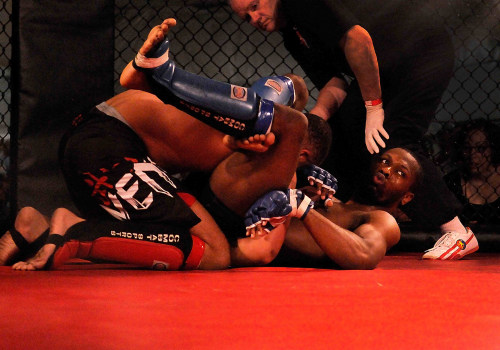
MMA fighters are no strangers to breaking bones. From tiny bones in their hands to nasal fractures, UFC fighters often suffer bone fractures during fights inside the octagon. Learn more about how MMA fighters break bones and how they can protect themselves.
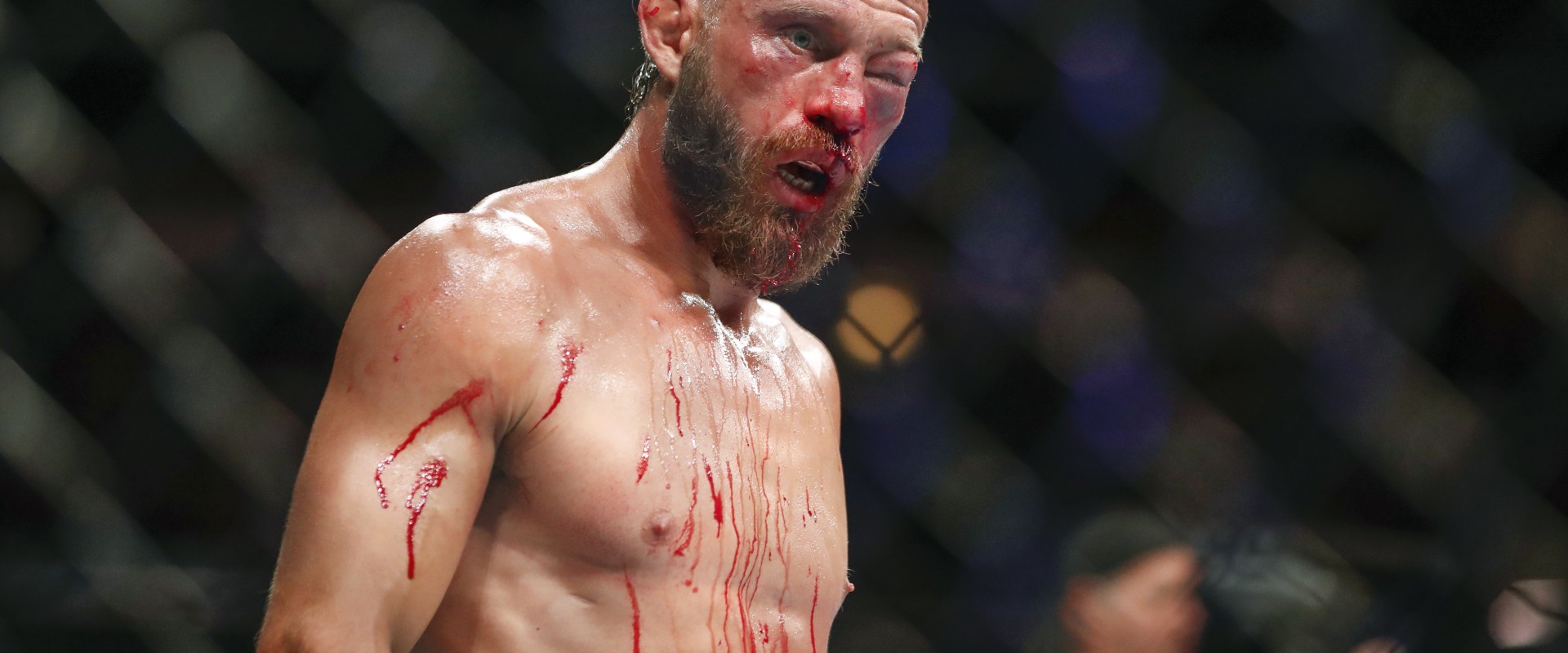
MMA fighters are no strangers to breaking bones. From tiny bones in their hands to nasal fractures, UFC fighters often suffer bone fractures during fights inside the octagon. Broken bones are a relatively common occurrence in MMA, with fractures accounting for 7.4% to 43.4% of competition injuries and 19% of all injuries. As athletes wear minimal protective equipment, their body is exposed to significant force and pressure, which can cause bones to break. Most fighters experience a range of mma injuries, including concussions, fractures, and tendon ruptures, and many injuries actually happen during training rather than actual fights, with 78% of injuries reported in training sessions. The physical toll on the body is immense, and the mentality to stick to their strategy and push beyond limits, even when hurt or injured, can lead to more severe injuries.
Common areas of bone fractures include the arm, elbow, shoulder, joint, hands, and shin, as well as facial fractures such as the orbital bone and nose. Submission-focused martial arts like Brazilian Jiu-Jitsu, Judo, and Wrestling lead to more joint and long bone injuries due to the nature of their techniques, which use a combination of force and leverage to place unnatural strain on limbs. For example, a joint lock or a powerful strike at a critical moment in a fight can lead to a fracture or dislocation. Lower extremity injuries are more frequent than upper body injuries in MMA, with 42.5% of injuries occurring in the lower body. Boxers' fractures commonly occur in the small bones of the knuckles from punches, and fractures are more frequent in MMA than in boxing or kickboxing.
Treatment for bone fractures varies depending on the type of bone damage. Some fractures in the legs and arms can be placed in a cast to heal and reposition them. However, more serious fractures may require surgery to place nails, screws, or rods. Immediate medical intervention for severe fractures typically involves a doctor stabilizing the injury, often requiring surgical procedures. The fourth and fifth bones in the back of the hand (metacarpals) are the two thinnest of the five bones and are particularly susceptible to breaking (fractured).
Recovery after a fight is critical for MMA fighters, and what they do in the 24-48 hours post-bout is essential. The recovery protocol includes rest, rehabilitation, and a gradual return to training and competition. Nutritional support, such as a high-protein diet rich in Vitamin D and calcium, is prioritized for tissue repair after fractures. A chiropractor and strength coach will lead the development of individual care plans for fighters based on their fight style and injury severity. Alternative recovery methods, such as acupuncture and low-impact activities like stationary biking, are often used post-fight. Injuries are often treated with a focus on symptom management while allowing the body to heal naturally.
MMA fighters usually keep their fingers extended to keep their opponent further away from them or to maximize surface area by protecting their head. It’s a requirement for fighters to wear a mouthguard at all levels of combat, since blows to the jaw cause damage to the brain. Knee injuries are also very common in MMA due to the multiple positions the knee must be in when athletes fight. Fingers can cause several other problems in MMA, especially their ability to inflict damage to an opponent’s eye at the end of a fight. MMA fighters often do not seek surgery for broken noses unless they experience severe breathing difficulties.
Modifications to gloves to protect the hand would require increased padding (boxing-style). Most wrestlers or students of martial arts sports are likely to lose some teeth when they don’t wear a mouth guard. Even though MMA fighters usually get punched directly in the face, they don’t lose teeth very often. Boxers, by comparison, face higher rates of knockouts and head injuries, and boxers' fractures are a well-known risk from repeated punches.
The pain and hurt from injuries can have a significant psychological and emotional impact on the person (fighter), including feelings of guilt or disturbance after causing serious injuries to an opponent. The adrenaline rush post-fight can mask pain, and watching for signs of injury, such as double vision after an orbital fracture, is crucial for doctors and coaches. The win does not always mean a fighter escapes injury-free; both victory and defeat can lead to significant physical and emotional pain. Over the course of mma history, injury patterns and safety protocols have evolved, and the structured course of a fighter’s training and recovery is designed to optimize performance and minimize injury risk. Medical professionals and coaches lead fighters through recovery and rehabilitation, and critical points in a fight can determine both the outcome and the risk of injury. MMA fighters are tough, enduring pain and injury as part of their sport, and most fighters experience a range of injuries throughout their careers.
Introduction to Mixed Martial Arts
Mixed Martial Arts (MMA) represents a revolutionary and sophisticated combat discipline that has transformed the global sports landscape, commanding unprecedented attention from enthusiasts and elite athletes worldwide. With premier MMA competitors advancing through industry-leading organizations like the UFC, this cutting-edge sport has evolved from its foundational origins into a modern arena that seamlessly integrates a comprehensive suite of fighting methodologies. Techniques from Muay Thai, Brazilian Jiu-Jitsu, wrestling, and boxing form the complete arsenal of this discipline, requiring athletes to achieve mastery across both striking and grappling competencies—positioning MMA as the first and only combat sport to demand such comprehensive skill integration.
The intense physical demands inherent in MMA mean that athletes consistently face significant exposure to a complex range of injury scenarios. Head trauma represents the most prevalent category of injuries sustained within this discipline, with competitors frequently experiencing concussions and other forms of neurological impact. Beyond cranial injuries, severe complications such as fractured bones, ligament disruptions, and muscular tears can manifest within mere seconds during competition. Numerous MMA athletes require extensive recovery periods spanning weeks or months following significant injury events, underscoring the sophisticated risk management challenges involved in pursuing excellence within combat sports.
Despite these formidable challenges, the MMA ecosystem continues its transformative expansion, attracting dedicated athletes who are drawn to the discipline's demanding requirements, rigorous training protocols, and opportunities to compete at the industry's highest echelons. This sport's unprecedented growth has catalyzed enhanced awareness and groundbreaking research initiatives focused on injury prevention and treatment methodologies, as organizations and medical professionals collaborate to safeguard athletes and ensure their long-term wellness outcomes. As we examine the evolution, technical frameworks, and injury management protocols within MMA, it becomes evident why this discipline represents both an exhilarating opportunity and a complex challenge for those who enter the competitive arena.