Know the whole fight.
The Ultimate Guide to Choosing the Best Martial Arts for Mixed Martial Arts
Discover the top martial arts disciplines that enhance your MMA skills, including wrestling, Muay Thai, BJJ, and more.
Mixed martial arts, commonly known as MMA, is a dynamic and multifaceted combat sport that combines various fighting techniques from different martial arts disciplines. It allows competitors to utilize striking and grappling techniques while standing or on the ground, making it a comprehensive test of skill, strategy, and physical endurance. The sport has gained immense popularity over the past few decades, evolving from its early days of no-holds-barred competitions to a highly regulated and respected athletic endeavor. The history of MMA can be traced back to ancient combat sports, but it began to take its modern form in the early 1990s with the establishment of the Ultimate Fighting Championship (UFC). This organization showcased fighters from diverse backgrounds, including boxing, wrestling, Brazilian Jiu-Jitsu, and Muay Thai, allowing them to compete against one another under a unified set of rules.
The initial events were often criticized for their brutality and lack of regulations; however, as the sport matured, so did its governance. Today, MMA is governed by a comprehensive set of rules designed to ensure fighter safety while maintaining the integrity of competition. Understanding the rules of MMA is essential for both fighters and fans alike. The Unified Rules of Mixed Martial Arts outline key regulations regarding weight classes, fight duration, scoring criteria, and prohibited actions. For instance, fights are typically divided into three or five rounds, depending on whether it is a championship bout or not.
Fighters can win by knockout, submission, or judges' decision based on effective striking and grappling. Additionally, certain actions such as headbutting or strikes to the back of the head are strictly forbidden to protect the fighters' well-being. This foundational knowledge of MMA sets the stage for exploring which martial arts disciplines best complement this sport. As we delve deeper into the various styles that contribute to a successful MMA career, it becomes clear that each discipline offers unique advantages that can enhance a fighter's performance inside the cage.
The Importance of Choosing the Right Martial Art for MMA
Choosing the right martial art for mixed martial arts (MMA) is a critical decision that can significantly influence a fighter's success in the cage. Each martial art brings its own unique set of techniques, philosophies, and strategies, which can either complement or hinder a fighter's overall performance.Understanding the importance of this choice is essential for anyone looking to excel in MMA.
One of the primary reasons for selecting the appropriate martial art is the diverse nature of MMA itself. This sport combines various fighting styles, including striking and grappling, requiring fighters to be well-rounded. For instance, a fighter who specializes solely in striking may struggle against an opponent with strong grappling skills. Therefore, integrating multiple disciplines is crucial for developing a comprehensive skill set.
Striking Techniques
- Muay Thai: Known as the "Art of Eight Limbs," Muay Thai utilizes punches, kicks, elbows, and knees, making it one of the most effective striking arts for MMA.
Its emphasis on powerful strikes and clinch work allows fighters to control distance and engage effectively.
- Boxing: With its focus on footwork and head movement, boxing provides fighters with the ability to deliver precise punches while evading attacks. The combination of speed and power in boxing can be a game-changer in stand-up exchanges.
- Karate: While often perceived as less applicable in MMA, karate offers unique angles and precision strikes that can catch opponents off guard. Its emphasis on timing and distance can be advantageous in setting up combinations.
Grappling Techniques
- Brazilian Jiu-Jitsu (BJJ): BJJ is essential for ground fighting and submission techniques. A solid foundation in BJJ allows fighters to control opponents on the ground and escape dangerous positions.
- Wrestling: Often regarded as one of the best bases for MMA, wrestling provides excellent takedown ability and ground control.
Wrestlers can dictate where the fight takes place, whether standing or on the mat.
- Sambo: This Russian martial art combines elements of judo and wrestling, focusing on both striking and grappling. Its unique techniques can surprise opponents who are less familiar with its applications.
For example, a fighter with exceptional athleticism may benefit from a striking-heavy background, while someone with a strong understanding of positional control might excel with grappling arts. Ultimately, the best approach is often a hybrid one—integrating elements from multiple martial arts to create a versatile fighting style. This adaptability not only enhances a fighter's performance but also prepares them for the unpredictable nature of MMA bouts.
Wrestling: The Foundation of MMA Success
Wrestling has long been recognized as a cornerstone of success in mixed martial arts (MMA). Its techniques and strategies provide fighters with a significant advantage, particularly in the realms of takedowns and ground control. This section explores the various aspects of wrestling that contribute to its dominance in MMA.Benefits of Wrestling for MMA
- Takedown Mastery: One of the most critical skills in MMA is the ability to take an opponent to the ground.
Wrestlers are trained to execute takedowns with precision and speed, allowing them to dictate the pace of the fight. This ability not only neutralizes an opponent's striking but also opens up opportunities for ground-and-pound techniques.
- Ground Control: Once on the ground, wrestlers excel at maintaining control over their opponents. Their training emphasizes positional dominance, which is crucial in scoring points and avoiding submissions. Wrestlers can effectively transition between positions, ensuring they remain in advantageous spots throughout the fight.
- Cardiovascular Conditioning: Wrestling requires intense physical conditioning, which translates well into MMA.
Wrestlers often possess superior stamina and endurance, enabling them to maintain a high pace during fights. This conditioning allows them to outlast opponents who may not have the same level of fitness.
- Defensive Skills: A strong wrestling background equips fighters with excellent defensive capabilities. Wrestlers are adept at avoiding strikes and can quickly counterattack when necessary. Their understanding of body mechanics helps them evade dangerous situations effectively.
Wrestling Techniques in MMA
The techniques employed by wrestlers in MMA are diverse and multifaceted.
Some key techniques include:
- Single-Leg Takedown: This technique involves grabbing one of the opponent's legs and driving forward to bring them down. It is effective for quickly closing the distance and taking control.
- Double-Leg Takedown: A staple in wrestling, this move targets both legs simultaneously, allowing for a powerful takedown that can catch opponents off guard.
- Sprawling: Sprawling is a defensive maneuver used to counter an opponent's takedown attempt. By spreading their legs back and lowering their hips, wrestlers can effectively thwart takedowns while maintaining balance.
- Ground-and-Pound: Once on the ground, wrestlers utilize ground-and-pound techniques to inflict damage while maintaining control over their opponent. This strategy can lead to knockouts or referee stoppages.
Many champions have emerged from wrestling backgrounds, showcasing its effectiveness in high-level competition. Fighters like Daniel Cormier and Khabib Nurmagomedov exemplify how wrestling can be leveraged to achieve success in the octagon. In conclusion, wrestling serves as a foundational element for many successful MMA fighters. Its emphasis on takedowns, ground control, and conditioning provides a comprehensive skill set that enhances a fighter's overall performance. As mixed martial arts continues to evolve, wrestling remains a critical discipline for those aspiring to reach the pinnacle of combat sports.
Muay Thai: The Art of Eight Limbs
Muay Thai, often referred to as the "Art of Eight Limbs," is a striking martial art that utilizes punches, kicks, elbows, and knee strikes, making it a highly effective discipline for mixed martial arts (MMA).This unique combination of techniques allows Muay Thai practitioners to deliver powerful and versatile attacks, which can be crucial in the fast-paced environment of MMA. One of the standout features of Muay Thai is its emphasis on striking techniques. Fighters are trained to use their entire body as a weapon, employing not just fists and feet but also elbows and knees. This multifaceted approach enables them to engage opponents at various ranges, whether in close quarters or at a distance. The ability to strike effectively from different angles can catch opponents off guard and create openings for further attacks. In addition to striking, Muay Thai incorporates a significant amount of clinch work.
The clinch is a grappling position where fighters can control their opponent's posture while delivering knee strikes or setting up throws. This aspect of Muay Thai is particularly beneficial in MMA, where controlling an opponent's movement can lead to advantageous positions on the ground. Fighters who excel in the clinch can dictate the pace of the fight and create opportunities for scoring points or securing takedowns. Moreover, the conditioning involved in Muay Thai training enhances a fighter's overall physicality. The rigorous training routines build strength, endurance, and flexibility, all of which are essential attributes for success in MMA.
Practitioners often engage in pad work, bag drills, and sparring sessions that not only refine their striking skills but also improve their cardiovascular fitness. Another significant benefit of incorporating Muay Thai into an MMA training regimen is its adaptability. Many fighters have successfully integrated Muay Thai techniques into their overall fighting style, allowing them to transition seamlessly between striking and grappling. This versatility is vital in MMA, where fighters must be proficient in multiple disciplines to compete effectively. In conclusion, Muay Thai offers a comprehensive skill set that enhances a fighter's striking capabilities while providing valuable tools for clinch work and conditioning. Its effectiveness in mixed martial arts cannot be overstated, as it equips fighters with the necessary skills to dominate both standing exchanges and close-range combat.
Brazilian Jiu-Jitsu: Mastering Ground Game
Brazilian Jiu-Jitsu (BJJ) has carved out a significant niche in the world of mixed martial arts, particularly due to its emphasis on ground fighting and submission techniques.This martial art focuses on the principle that a smaller, weaker person can successfully defend against a larger adversary by using leverage and proper technique. In the context of MMA, BJJ practitioners bring a unique skill set that can turn the tide of a fight, especially when it goes to the ground. One of the most critical aspects of BJJ in MMA is its ability to control opponents. When a fighter successfully takes their opponent to the mat, they can utilize various BJJ techniques to maintain dominance. Techniques such as the guard, mount, and back control allow fighters to dictate the pace and flow of the match.
For instance, when in guard position, a fighter can effectively defend against strikes while looking for submission opportunities.
Key BJJ Techniques for MMA
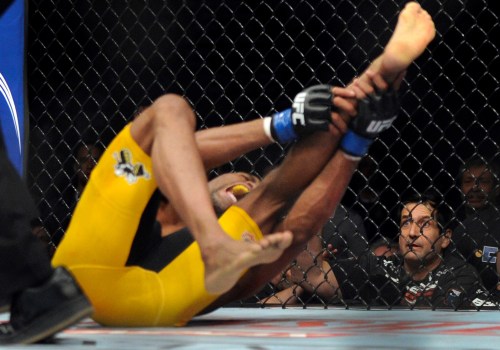
- Armbar: A classic submission move that targets the opponent's arm, applying pressure on the elbow joint. This technique can be executed from various positions, making it versatile in MMA.
- Triangle Choke: This submission involves trapping an opponent's head and arm between your legs, creating a choke that can lead to a quick tap-out.
- Rear-Naked Choke: Often considered one of the most effective submissions in MMA, this technique allows a fighter to choke their opponent from behind, cutting off blood flow and leading to unconsciousness if not defended.
- Guillotine Choke: A standing or ground submission that targets the neck, this move can catch opponents off guard and is particularly effective during takedown attempts.
Understanding how to maneuver out of holds or submissions is crucial for survival in an MMA bout. This defensive knowledge enables fighters to remain calm under pressure and find ways to regain control. In conclusion, Brazilian Jiu-Jitsu plays an indispensable role in mixed martial arts by equipping fighters with essential ground-fighting skills and submission techniques. Its focus on leverage and technique allows practitioners to control opponents effectively, making it a vital component of any successful MMA fighter's arsenal.
Karate: Precision Striking and Movement
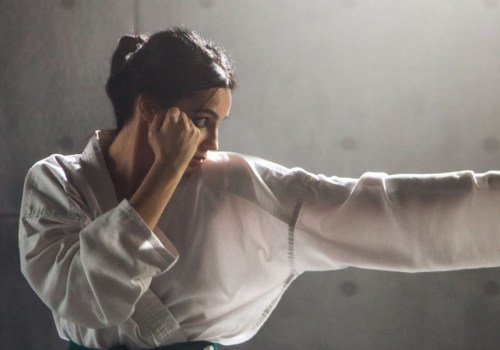
Karate, a martial art with roots in Japan, is renowned for its emphasis on precision striking and fluid movement. In the context of mixed martial arts (MMA), Karate offers unique advantages that can significantly enhance a fighter's performance inside the cage. One of the primary benefits of Karate in MMA is its focus on striking accuracy.Karate practitioners are trained to deliver precise and powerful strikes, utilizing techniques such as punches, kicks, and knee strikes. This precision allows fighters to target vulnerable areas of their opponents effectively, increasing the likelihood of landing successful hits. The ability to strike accurately can be a game-changer in a sport where every point counts. Moreover, Karate emphasizes footwork and movement, which are crucial elements in MMA. The art teaches practitioners to maintain balance while moving swiftly in and out of range.
This agility not only helps in evading attacks but also positions the fighter optimally for counterattacks. By integrating Karate's footwork into their training, MMA fighters can improve their overall mobility and defensive capabilities. In addition to striking and movement, Karate incorporates a variety of techniques that can be adapted for MMA. Some key techniques include:
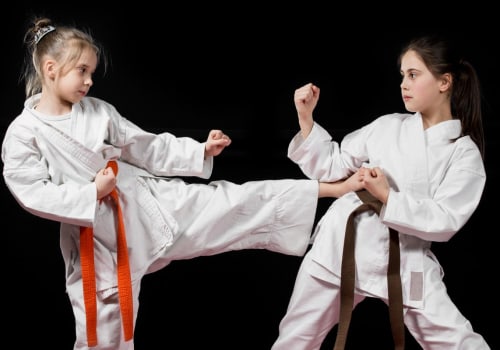
- Front Kicks: Effective for maintaining distance and disrupting an opponent's rhythm.
- Roundhouse Kicks: Powerful strikes that can target the head or body, often used to break through an opponent's guard.
- Side Kicks: Useful for pushing opponents away or creating space when grappling.
- Punch Combinations: Quick and precise combinations that can overwhelm an opponent and create openings for further attacks.
By integrating Karate techniques into their training, fighters can enhance their overall skill set and improve their chances of success in the octagon.
Sambo: The Rising Star in MMA
Sambo, a martial art that originated in the Soviet Union, is gaining recognition as a formidable discipline within the realm of mixed martial arts (MMA). This combat sport combines elements of judo and wrestling, emphasizing both grappling and striking techniques. As MMA continues to evolve, Sambo has emerged as a vital component for fighters looking to enhance their skill set. One of the primary benefits of incorporating Sambo into an MMA training regimen is its comprehensive approach to combat. Sambo practitioners are trained in various techniques that allow them to excel in both standing and ground fighting scenarios.This versatility is crucial in MMA, where fighters must be adept at transitioning between striking and grappling.
Key Techniques in Sambo
- Throws: Sambo features a wide array of throwing techniques that can be used to take opponents off balance and bring them to the mat. These throws are often executed with speed and precision, making them effective in both self-defense situations and competitive matches.
- Submissions: Similar to Brazilian Jiu-Jitsu, Sambo includes a variety of submission holds that can incapacitate an opponent. Techniques such as arm locks, chokes, and leg locks are integral to a Sambo practitioner's arsenal, allowing for effective control on the ground.
- Striking: While primarily known for its grappling techniques, Sambo also incorporates striking elements. Fighters learn how to deliver powerful punches and kicks, which can be seamlessly integrated into their overall fighting strategy.
It not only enhances their grappling skills but also provides them with the striking capabilities necessary to compete at the highest levels. Moreover, the emphasis on practical self-defense techniques ensures that practitioners are well-prepared for real-world confrontations. In conclusion, as MMA continues to grow in popularity and complexity, disciplines like Sambo are proving to be invaluable assets for fighters. By mastering the unique techniques of Sambo, athletes can develop a well-rounded skill set that enhances their performance inside the cage.
Capoeira: The Dance of Combat?
Capoeira, often described as a dance of combat, is a Brazilian martial art that combines elements of acrobatics, music, and fluid movements. Its unique approach to fighting makes it an intriguing addition to the arsenal of any mixed martial arts (MMA) fighter.While it may not be the first discipline that comes to mind when considering effective martial arts for MMA, Capoeira offers several benefits that can enhance a fighter's performance in the cage.
Capoeira in MMA
Incorporating Capoeira into MMA training can provide fighters with a distinctive edge. The art emphasizes agility, rhythm, and creativity, allowing practitioners to develop unpredictable movement patterns. This unpredictability can be advantageous in a sport where opponents often anticipate strikes and grappling techniques. Fighters like Conor McGregor have successfully integrated Capoeira's dynamic kicks and evasive maneuvers into their fighting styles, showcasing how this art can complement traditional striking techniques.
Capoeira Techniques for Fighters
- Ginga: The foundational movement of Capoeira, ginga is a swaying motion that allows fighters to maintain balance while being ready to attack or evade.
This fluidity can help MMA fighters avoid strikes and create openings for counterattacks.
- Martelo: This powerful roundhouse kick is executed with speed and precision. It can be used to target an opponent's head or body, making it a versatile strike in an MMA context.
- Aú: The cartwheel-like movement known as aú not only serves as an evasive maneuver but also allows fighters to transition into other techniques seamlessly. This can be particularly useful for escaping takedowns or repositioning during exchanges.
- Queixada: A kick that combines both power and surprise, queixada can catch opponents off guard due to its unconventional angle. This technique exemplifies how Capoeira encourages creativity in striking.
Benefits of Capoeira
The benefits of incorporating Capoeira into an MMA training regimen extend beyond just the physical techniques.
Here are some key advantages:
- Enhanced Agility: The acrobatic nature of Capoeira improves overall agility and coordination, which are crucial for evading strikes and executing complex movements in the octagon.
- Cultural Awareness: Practicing Capoeira exposes fighters to Brazilian culture and music, fostering a deeper appreciation for the roots of martial arts and promoting mental well-being through artistic expression.
- Improved Creativity: The emphasis on improvisation in Capoeira encourages fighters to think outside the box, developing unique strategies that can confuse opponents during fights.
- Cardiovascular Fitness: The dynamic movements involved in Capoeira provide an excellent cardiovascular workout, enhancing stamina and endurance—key components for success in MMA bouts.
FAQs About Martial Arts and Mixed Martial Arts Training
As interest in mixed martial arts (MMA) continues to grow, many aspiring fighters and enthusiasts have questions about the best training practices and martial arts disciplines to pursue. Below are some frequently asked questions that address common concerns related to training in various martial arts for MMA.What is the best martial art to start with for MMA?
For beginners, wrestling is often recommended as a foundational martial art for MMA. It provides essential skills in takedowns, control, and grappling, which are crucial in the octagon.Additionally, Brazilian Jiu-Jitsu (BJJ) is another excellent choice, as it focuses on ground fighting and submissions, allowing fighters to defend themselves effectively against opponents on the mat.
How important is striking in mixed martial arts?
Striking is a vital component of mixed martial arts. Techniques from Muay Thai and boxing are particularly effective due to their emphasis on powerful strikes and combinations. Fighters who can strike well can create opportunities for takedowns or submissions, making striking skills essential for a well-rounded MMA fighter.Can I train in multiple martial arts at once?
Yes, many fighters train in multiple disciplines simultaneously. This approach allows them to develop a diverse skill set that includes striking, grappling, and submissions.However, it’s important to balance training time across different styles to ensure proficiency in each area without overwhelming oneself.
How long does it take to become proficient in MMA?
The timeline for becoming proficient in MMA varies significantly based on individual dedication, prior experience, and training frequency. Generally, it can take several months to a few years of consistent training to develop the necessary skills and conditioning required for competitive fighting.Is sparring necessary for MMA training?
Sparring is an essential part of MMA training as it simulates real fight conditions. It helps fighters apply techniques learned during practice and develop timing, distance management, and adaptability. However, sparring should be approached with caution and under the guidance of experienced coaches to minimize the risk of injury. By addressing these common questions, aspiring fighters can better understand the landscape of mixed martial arts training and make informed decisions about their journey in this dynamic sport.<insert conclusion heading here>
In conclusion, determining the best martial art for mixed martial arts (MMA) is a nuanced endeavor that hinges on various factors, including individual goals, physical attributes, and personal preferences.Each martial art brings its unique strengths to the table, making it essential for aspiring fighters to consider what they aim to achieve in their MMA journey. Wrestling stands out as a foundational discipline due to its emphasis on takedowns and ground control. Wrestlers often excel in dictating the pace of a fight, using their grappling skills to neutralize opponents and maintain advantageous positions. This ability to control the fight can be pivotal in both scoring points and securing victories. On the striking front, Muay Thai offers a comprehensive arsenal of powerful strikes, including elbows, knees, and kicks. Its focus on clinch work and striking from various angles makes it a formidable choice for those looking to dominate stand-up exchanges.
Fighters who train in Muay Thai often develop not only striking power but also the ability to absorb damage effectively.
Brazilian Jiu-Jitsu
(BJJ) is another critical component of MMA training, particularly for those who prefer ground fighting. BJJ practitioners learn how to submit opponents and escape from unfavorable positions, making it an invaluable skill set in the octagon. The art's focus on leverage and technique allows smaller fighters to overcome larger opponents, emphasizing strategy over brute strength.
Karate, with its emphasis on precision and speed, can also be beneficial for MMA fighters. The ability to deliver quick, accurate strikes can catch opponents off guard and create openings for further attacks.
Additionally, many fighters find that starting with a traditional martial art like karate helps them develop a strong foundation before transitioning into more complex MMA techniques. Ultimately, the best martial art for mixed martial arts is subjective and varies from fighter to fighter. It is crucial for individuals to assess their strengths and weaknesses while considering how different disciplines can complement each other. A well-rounded fighter often incorporates elements from multiple martial arts, creating a versatile skill set that can adapt to any situation inside the cage. As you embark on your journey in mixed martial arts, remember that the path you choose should align with your personal goals and fighting style. Whether you lean towards wrestling, striking arts like Muay Thai or karate, or grappling disciplines like BJJ or Sambo, each offers valuable lessons that can enhance your performance in the world of MMA.