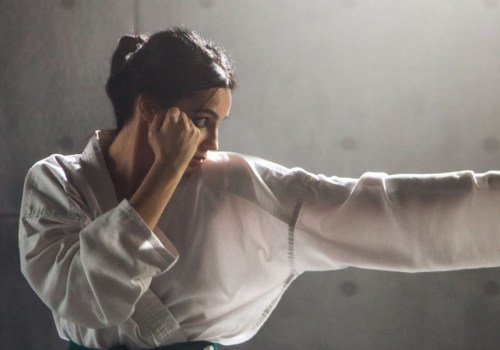
Know the whole fight.
Evaluating Taekwondo's Role in Mixed Martial Arts: Effectiveness and Integration
Explore the effectiveness of Taekwondo in MMA, its techniques, strengths, and how it integrates with other martial arts for success.
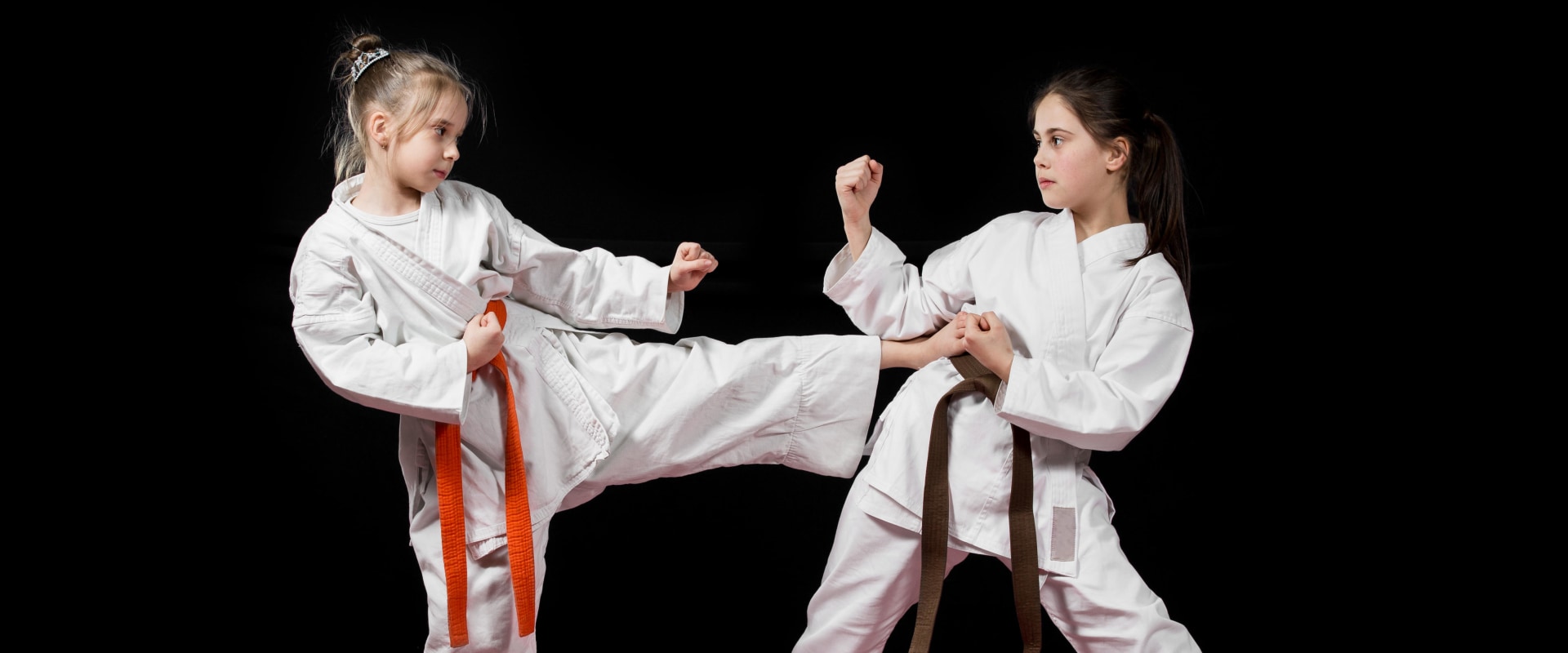
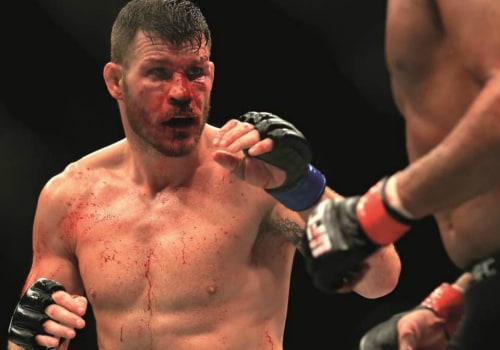
Mixed martial arts, commonly referred to as MMA, has emerged as one of the most dynamic and multifaceted combat sports in the world. It combines techniques from various martial arts disciplines, allowing fighters to utilize a wide range of striking and grappling methods. This versatility is a significant factor in its growing popularity, attracting athletes and fans alike who appreciate the blend of skill, strategy, and physicality involved in each bout. The roots of MMA can be traced back to ancient combat practices, but it gained mainstream recognition in the early 1990s with the establishment of organizations like the Ultimate Fighting Championship (UFC). Initially, MMA was seen as a brutal spectacle where fighters from different backgrounds faced off without weight classes or rules.
However, as the sport evolved, regulations were introduced to enhance safety and promote fair competition. Today, MMA is governed by a comprehensive set of rules that ensure a level playing field while still allowing for an exciting display of athleticism. Throughout its evolution, MMA has absorbed techniques from various martial arts, including Brazilian Jiu-Jitsu, Muay Thai, wrestling, and yes, even Taekwondo. Each discipline contributes unique skills that can be advantageous in the octagon. For instance, striking techniques from Taekwondo are renowned for their speed and agility, making them effective for scoring points and delivering powerful kicks.
However, the effectiveness of these techniques often depends on how well they are integrated with other fighting styles. As we delve deeper into the effectiveness of Taekwondo within the realm of mixed martial arts, it is essential to understand not only the history and evolution of MMA but also how various martial arts contribute to a fighter's overall skill set. This exploration will provide valuable insights into whether Taekwondo can stand alone as an effective discipline in MMA or if it requires supplementation from other martial arts to truly excel.
The Fundamentals of Taekwondo
Taekwondo, a martial art that originated in Korea, is characterized by its emphasis on high, fast kicks and dynamic footwork. Understanding the fundamentals of Taekwondo is essential for evaluating its effectiveness in the realm of mixed martial arts (MMA).Techniques of Taekwondo
- Kicking Techniques: Taekwondo is renowned for its diverse array of kicking techniques, including the front kick, roundhouse kick, side kick, and back kick. These kicks are not only powerful but also versatile, allowing practitioners to strike from various angles and distances.
- Hand Techniques: While kicks dominate Taekwondo, hand techniques such as punches, knife-hand strikes, and elbow strikes are also integral.
These techniques complement the kicking arsenal and provide a well-rounded approach to striking.
- Blocking and Defensive Techniques: Effective blocking techniques are crucial in Taekwondo. Practitioners learn to use their arms and legs to deflect incoming strikes while maintaining balance and readiness for counterattacks.
- Forms (Hyung): Forms are pre-arranged sequences of movements that help practitioners develop precision, timing, and rhythm. They serve as a foundation for mastering techniques and understanding the flow of combat.
The Historical Context of Taekwondo
Taekwondo's roots can be traced back to ancient Korean martial arts such as Taekkyeon and Hwa Rang Do. However, it was during the mid-20th century that Taekwondo began to take shape as a distinct discipline.
Influenced by Japanese karate and Chinese martial arts, it was formalized by a group of Korean martial artists who sought to create a national martial art that emphasized both physical prowess and moral integrity.
This historical evolution has led to the establishment of various styles within Taekwondo, including the World Taekwondo (WT) style, which focuses on sport and Olympic competition, and the International Taekwon-Do Federation (ITF), which emphasizes traditional forms and self-defense.
Training Methods in Taekwondo
Training in Taekwondo typically involves a combination of physical conditioning, technique practice, sparring, and mental discipline. Practitioners engage in rigorous workouts that enhance strength, flexibility, and endurance. Drills focusing on specific techniques help refine skills, while controlled sparring sessions allow students to apply what they have learned in a dynamic environment.
Mental training is equally important; practitioners are taught to cultivate focus, discipline, and respect for their opponents. This holistic approach not only prepares them for competition but also instills valuable life skills.
In summary, the fundamentals of Taekwondo encompass a rich tapestry of techniques, historical significance, and comprehensive training methods.
These elements contribute to its unique identity as a martial art and its potential role within the broader context of mixed martial arts.
Taekwondo Techniques in Mixed Martial Arts
Taekwondo is renowned for its dynamic kicking techniques and agile footwork, which can be advantageous in the realm of mixed martial arts (MMA). Understanding how these techniques translate into the octagon is crucial for fighters looking to incorporate Taekwondo into their MMA arsenal.Key Taekwondo Kicks
One of the most significant contributions of Taekwondo to MMA is its variety of kicks. Here are some notable examples:- Roundhouse Kick: This kick is executed by pivoting on the supporting foot and striking with the instep or shin. Its speed and power can catch opponents off guard, making it a valuable tool for both offense and defense.
- Side Kick: Known for its ability to create distance, the side kick can be particularly effective against aggressive opponents.
It targets the midsection or head, delivering a powerful blow that can disrupt an opponent's rhythm.
- Back Kick: This kick is delivered by thrusting the heel backward while maintaining a forward stance. It is highly effective in countering incoming attacks and can be devastating when timed correctly.
- Hook Kick: The hook kick involves a sweeping motion that targets the head or body. Its unpredictability makes it difficult for opponents to defend against, providing an element of surprise.
Striking Techniques and Footwork
In addition to kicks, Taekwondo emphasizes footwork that enhances mobility and positioning. Quick lateral movements allow fighters to evade strikes while setting up their own attacks.This agility is essential in MMA, where fighters must constantly adapt to their opponent's strategies. Moreover, Taekwondo practitioners often utilize a bouncing stance, which enables them to launch quick strikes or retreat swiftly. This adaptability can be advantageous in an MMA setting, where timing and distance control are critical.
Strengths and Limitations in MMA
While Taekwondo techniques offer unique advantages in MMA, they also come with limitations. The emphasis on high kicks may leave fighters vulnerable to takedowns if not executed with caution. Additionally, many Taekwondo practitioners may lack grappling skills, which are essential in MMA. To maximize effectiveness, fighters should integrate Taekwondo techniques with other martial arts disciplines such as Brazilian Jiu-Jitsu (BJJ) or wrestling.This combination allows them to maintain striking prowess while also being prepared for ground combat. In conclusion, Taekwondo provides a rich array of kicking techniques and footwork strategies that can enhance a fighter's performance in mixed martial arts. However, success in MMA requires a well-rounded skill set that incorporates various martial arts disciplines to address both striking and grappling challenges.
Comparative Analysis: Taekwondo vs. Other Martial Arts in MMA
When evaluating the effectiveness of Taekwondo in the realm of mixed martial arts (MMA), it is essential to compare it with other prominent martial arts disciplines such as boxing, Brazilian Jiu-Jitsu (BJJ), and Muay Thai. Each of these martial arts brings unique strengths and weaknesses to the octagon, influencing a fighter's overall performance.Taekwondo vs.
Boxing Boxing is renowned for its striking techniques, particularly its powerful punches and head movement. In contrast, Taekwondo emphasizes high, fast kicks and agility. While Taekwondo practitioners may excel in kicking range, they often lack the hand striking skills that boxers possess. This can be a significant disadvantage in MMA, where effective striking is crucial.
- Advantages of Taekwondo: Exceptional kicking techniques, agility, and flexibility.
- Disadvantages of Taekwondo: Limited hand striking skills compared to boxing; less effective in close-range combat.
Taekwondo vs.
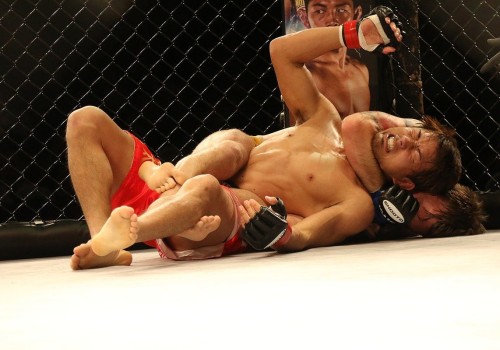
Brazilian Jiu-Jitsu (BJJ) BJJ focuses on ground fighting and submission techniques, making it a vital component of MMA. While Taekwondo provides excellent stand-up striking skills, it does not equip fighters with the grappling knowledge necessary for ground control. In a scenario where a fight goes to the ground, a Taekwondo practitioner may struggle against a skilled BJJ opponent.
- Advantages of Taekwondo: Strong stand-up game and ability to maintain distance.
- Disadvantages of Taekwondo: Lack of grappling and submission defense; vulnerability on the ground.
Taekwondo vs. Muay Thai
Muay Thai, often referred to as the "Art of Eight Limbs," utilizes punches, kicks, elbows, and knees, providing a more comprehensive striking arsenal than Taekwondo.While both martial arts emphasize kicking techniques, Muay Thai's clinch work and elbow strikes offer additional tools for close-quarters combat that Taekwondo lacks.
- Advantages of Taekwondo: Unique kicking styles that can surprise opponents; effective at maintaining distance.
- Disadvantages of Taekwondo: Limited clinch work; less effective in close-range exchanges compared to Muay Thai.
Success Stories: Taekwondo Practitioners in MMA
Taekwondo has produced a number of successful fighters in the world of mixed martial arts (MMA), showcasing how the discipline's unique techniques can be effectively integrated into a broader fighting strategy. Below are some notable MMA fighters who have a strong background in Taekwondo, illustrating their journeys and achievements.1.Anderson Silva
Anderson Silva, often regarded as one of the greatest MMA fighters of all time, holds a black belt in Taekwondo. His striking ability, characterized by powerful kicks and exceptional footwork, has been pivotal in his success inside the octagon.Silva's Taekwondo background allowed him to develop a diverse striking arsenal that included spinning kicks and knee strikes, which he effectively utilized against opponents like Vitor Belfort and Chael Sonnen. His ability to blend Taekwondo with other martial arts, particularly Muay Thai and Brazilian Jiu-Jitsu, has made him a formidable opponent.
2.Valentina Shevchenko
Valentina Shevchenko is another prominent figure in MMA with a strong Taekwondo foundation. As a multiple-time world champion in various martial arts disciplines, including Taekwondo, she has demonstrated her striking prowess in the UFC women's flyweight division. Shevchenko's ability to execute high-level kicks and her exceptional timing have contributed to her success as a champion.Her fights against Jessica Eye and Joanna Jedrzejczyk showcased her ability to control distance and utilize her Taekwondo skills effectively.
3.Bas Rutten
Bas Rutten is a former UFC heavyweight champion who also holds a black belt in Taekwondo. Known for his charismatic personality and striking skills, Rutten's background in Taekwondo helped him develop an unorthodox fighting style that confused many opponents. His use of kicks, combined with his grappling skills, allowed him to dominate fights during his career. Rutten's success in MMA has inspired many fighters to incorporate Taekwondo techniques into their training regimens.4.Donald Cerrone
Donald "Cowboy" Cerrone is another fighter who has successfully integrated Taekwondo into his MMA career.With a background in various martial arts, including Taekwondo, Cerrone is known for his versatility and creativity in striking. His ability to throw head kicks and utilize spinning techniques has made him a fan favorite and a dangerous opponent in the lightweight division. These fighters exemplify how Taekwondo can be an effective component of an MMA fighter's skill set. By blending the kicking techniques and footwork from Taekwondo with other martial arts disciplines, they have achieved remarkable success in the competitive world of mixed martial arts.
Challenges Faced by Taekwondo Practitioners in MMA
Transitioning from Taekwondo to mixed martial arts (MMA) presents a unique set of challenges for practitioners. While Taekwondo offers exceptional kicking techniques and agility, the sport's traditional focus can limit a fighter's effectiveness in the diverse and multifaceted environment of MMA. One of the primary challenges in MMA for Taekwondo practitioners is adapting to the rules and regulations that govern the sport.Unlike traditional Taekwondo competitions, which often emphasize point scoring through controlled strikes, MMA allows for a broader range of techniques, including grappling, ground fighting, and submissions. This shift requires fighters to not only master their striking skills but also to develop proficiency in other areas such as wrestling and Brazilian Jiu-Jitsu (BJJ). Moreover, the absence of a gi in MMA means that many of the grips and holds used in Taekwondo are rendered ineffective. This necessitates a significant adjustment in strategy, as fighters must learn to engage opponents without relying on traditional clothing-based techniques. The need for cross-training becomes evident; Taekwondo practitioners must invest time in learning how to defend against takedowns and how to execute effective ground game strategies. Another limitation of Taekwondo in the context of MMA is its emphasis on high, flashy kicks.
While these techniques can be visually impressive and effective at times, they can also leave fighters vulnerable to counterattacks. In MMA, where opponents are trained to exploit openings, a reliance on high kicks without adequate setup or follow-up can lead to quick defeats. Additionally, the conditioning required for MMA is different from that of traditional Taekwondo training. Fighters must develop not only explosive power but also endurance and resilience to withstand prolonged exchanges. This means that Taekwondo practitioners may need to adjust their training regimens significantly to prepare for the demands of an MMA fight. In summary, while Taekwondo provides a solid foundation for striking skills, practitioners face several challenges when transitioning to MMA.
Adapting to the rules of the sport, cross-training in grappling arts, and modifying training approaches are essential steps for success in this dynamic combat environment.
The Future of Taekwondo in Mixed Martial Arts
As the landscape of mixed martial arts (MMA) continues to evolve, the future of Taekwondo within this dynamic environment presents both challenges and opportunities for practitioners. The integration of various martial arts styles has become a hallmark of MMA, and Taekwondo must adapt to maintain its relevance. One significant trend is the increasing emphasis on versatility in training. Fighters are no longer confined to mastering a single discipline; instead, they are encouraged to develop a well-rounded skill set that includes striking, grappling, and ground techniques. This shift means that Taekwondo practitioners must not only refine their kicking techniques but also incorporate elements from other martial arts such as Brazilian Jiu-Jitsu (BJJ), wrestling, and Muay Thai. To remain competitive, Taekwondo fighters can focus on the following strategies:- Cross-Training: Engaging in cross-training with other martial arts can enhance a fighter's overall skill set.
For instance, integrating BJJ can improve ground game proficiency, while wrestling can enhance takedown defense.
- Adapting Techniques: Taekwondo's high kicks and footwork can be adapted for MMA scenarios. Practitioners should work on modifying their techniques to suit the octagon, focusing on practicality and effectiveness in real combat situations.
- Incorporating Sparring: Regular sparring sessions with fighters from different backgrounds can provide valuable insights into how Taekwondo techniques hold up against various styles. This exposure is crucial for developing adaptability and resilience.
- Emphasizing Conditioning: Physical conditioning plays a vital role in MMA success. Taekwondo practitioners should prioritize strength and endurance training to ensure they can execute their techniques effectively throughout a fight.
Virtual reality (VR) and advanced analytics are becoming increasingly popular tools for fighters looking to enhance their performance. By utilizing these technologies, Taekwondo practitioners can analyze their movements, refine their techniques, and simulate fight scenarios that prepare them for real competition. In conclusion, while Taekwondo has its strengths as a striking art, its future in mixed martial arts will depend on the ability of its practitioners to adapt and evolve. By embracing cross-training, modifying techniques for practicality, engaging in diverse sparring experiences, and leveraging technology, Taekwondo can continue to play a significant role in the ever-changing world of MMA.
Frequently Asked Questions about Taekwondo and MMA
As the popularity of mixed martial arts (MMA) continues to grow, many practitioners and fans often wonder about the role of various martial arts, including Taekwondo, in this dynamic sport. Below are some frequently asked questions that address the effectiveness of Taekwondo in MMA.Is Taekwondo effective in MMA?
Taekwondo can be effective in MMA, but it is essential to understand its limitations.The art is renowned for its impressive kicking techniques and agility, which can provide a significant advantage in striking exchanges. However, Taekwondo primarily focuses on stand-up fighting and lacks comprehensive training in grappling and ground fighting, which are crucial components of MMA. Fighters who incorporate Taekwondo into their skill set often need to supplement it with other disciplines such as Brazilian Jiu-Jitsu (BJJ) or wrestling to become well-rounded competitors.
Can you use Taekwondo in UFC?
Yes, Taekwondo techniques can be utilized in the UFC (Ultimate Fighting Championship), as it is a prominent organization within the MMA landscape. Many successful fighters have integrated Taekwondo into their fighting style, using its unique kicks and footwork to create distance and deliver powerful strikes.Notable UFC fighters like Anderson Silva and Valentina Shevchenko have demonstrated how effective Taekwondo can be when combined with other martial arts skills. However, fighters must also be proficient in grappling and ground techniques to compete effectively at this level.
What are the best martial arts for MMA?
The best martial arts for MMA often include a combination of striking and grappling disciplines. Some of the most effective martial arts for MMA include:- Brazilian Jiu-Jitsu (BJJ) : Essential for ground fighting and submissions.
- Wrestling : Provides strong takedown skills and control on the ground.
- Muay Thai : Known for its powerful strikes using elbows, knees, and clinch work.
- Boxing : Offers excellent hand striking techniques and head movement.
- Taekwondo : Adds unique kicking techniques and agility to a fighter's arsenal.
Conclusion: The Role of Taekwondo in Mixed Martial Arts Effectiveness
In summary, Taekwondo undeniably contributes valuable skills to the realm of mixed martial arts (MMA), particularly through its emphasis on agility, speed, and powerful kicking techniques. However, it is essential to recognize that Taekwondo alone may not suffice for success in the multifaceted environment of MMA.The sport demands a well-rounded skill set that encompasses various fighting styles, including grappling, striking, and ground control. One of the primary strengths of Taekwondo lies in its dynamic kicking arsenal. Fighters trained in this discipline can deliver swift and unpredictable kicks that can catch opponents off guard. This ability to strike from a distance can be advantageous in maintaining range and controlling the pace of a fight. Moreover, the footwork developed through Taekwondo training enhances a fighter's mobility, allowing them to evade attacks and reposition effectively. Nevertheless, the limitations of Taekwondo become apparent when faced with the diverse techniques employed in MMA.
The sport incorporates elements from various martial arts, including Brazilian Jiu-Jitsu (BJJ), wrestling, and Muay Thai, which provide fighters with comprehensive tools for both striking and grappling. As such, a fighter who relies solely on Taekwondo may find themselves at a disadvantage against opponents who possess a more versatile skill set. To maximize effectiveness in MMA, practitioners of Taekwondo should consider integrating their training with other martial arts disciplines. For instance, combining Taekwondo with BJJ can create a well-rounded fighter capable of defending against takedowns while also being proficient on the ground. Similarly, incorporating elements of wrestling can enhance a fighter's ability to control the fight's pace and position. Ultimately, while Taekwondo offers unique advantages within the context of mixed martial arts, its true potential is realized when combined with other fighting styles.
This holistic approach not only broadens a fighter's skill set but also prepares them for the unpredictable nature of MMA competition. As the sport continues to evolve, embracing a diverse range of techniques will remain crucial for any fighter aspiring to achieve success in the octagon.