Know the whole fight.
Exploring the World of Mixed Martial Arts: A Comprehensive Guide
Dive into the world of mixed martial arts, exploring its history, techniques, and impact on sports culture. Discover the key components of MMA.
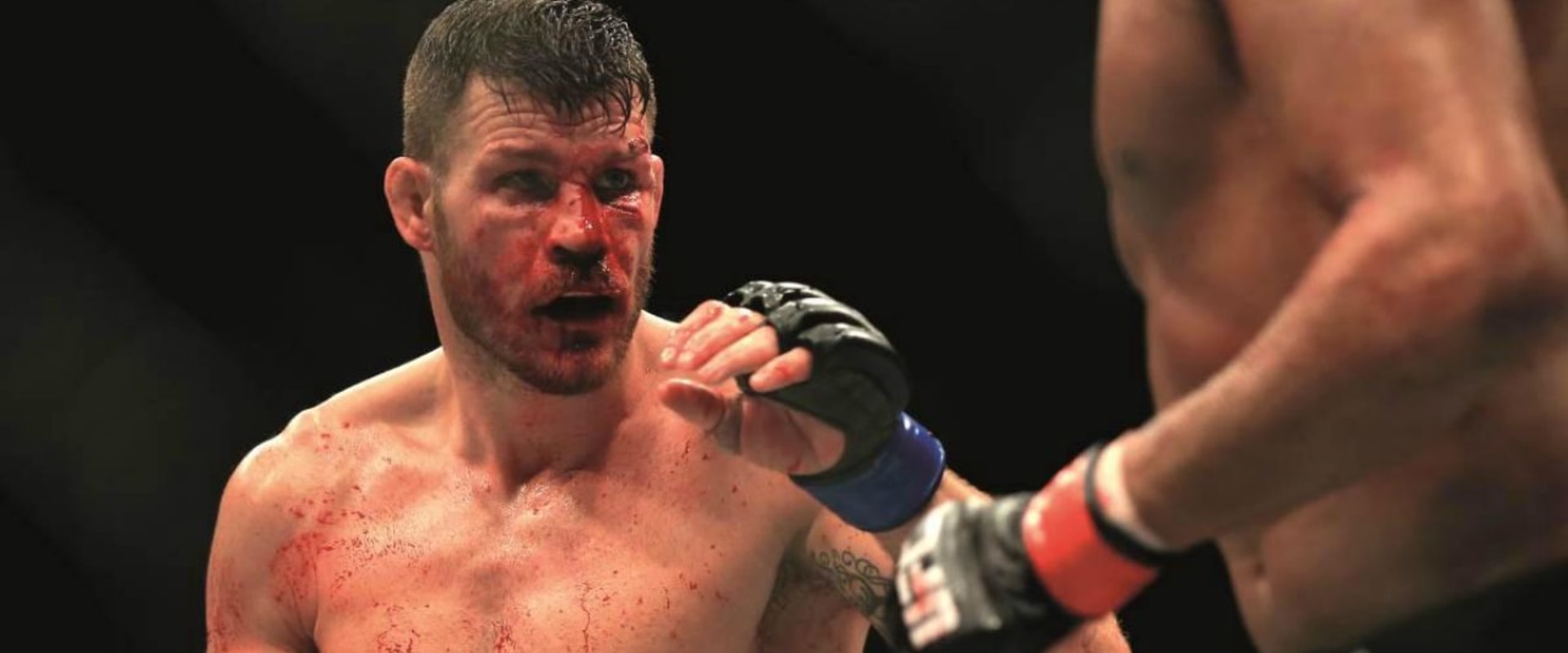
Mixed martial arts
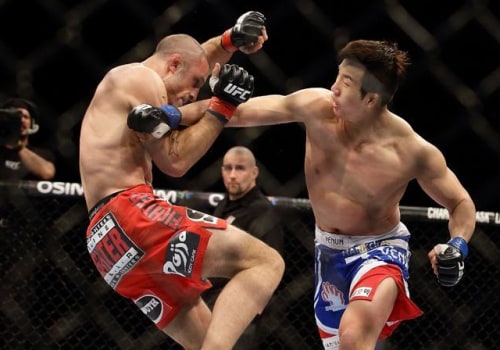
, commonly referred to as MMA, is a dynamic and multifaceted combat sport that has captured the attention of millions around the globe. It is characterized by its incorporation of various fighting styles, including striking and grappling techniques from disciplines such as boxing, Brazilian jiu-jitsu, wrestling, Muay Thai, and karate. This blend of techniques not only showcases the versatility of fighters but also emphasizes the importance of adaptability in the ring. As a result, MMA has evolved into a comprehensive sport that appeals to both participants and spectators alike.
The roots of MMA can be traced back to ancient combat practices, where warriors would engage in hand-to-hand combat using a combination of techniques from different martial arts.
However, the modern incarnation of MMA began to take shape in the early 1990s with the establishment of organizations like the Ultimate Fighting Championship (UFC). These events provided a platform for fighters from diverse backgrounds to compete against one another, leading to a greater understanding of effective fighting strategies and techniques. Over the years, MMA has grown exponentially in popularity, transforming from a niche sport into a mainstream phenomenon. One of the key factors contributing to the rise of MMA is its accessibility. Unlike traditional martial arts that often require years of training in a single discipline before practitioners can compete, MMA allows fighters to train in multiple styles simultaneously.
This approach not only accelerates skill development but also fosters a sense of community among practitioners who share a passion for combat sports. Furthermore, the increasing visibility of MMA through television broadcasts and social media has helped to demystify the sport, attracting new fans and participants. As we delve deeper into the world of mixed martial arts, we will explore its various components, notable fighters, and the impact it has had on both sports culture and society at large. From its historical origins to its current status as one of the most exciting sports globally, understanding MMA provides valuable insights into why it continues to captivate audiences and inspire individuals to pursue their own martial arts journeys.
The Evolution of Mixed Martial Arts
Mixed martial arts (MMA) has a rich and diverse history that can be traced back to ancient combat sports practiced across various cultures. The origins of MMA are deeply rooted in the need for effective fighting techniques, which were developed for self-defense, military training, and entertainment. One of the earliest forms of mixed combat can be found in the ancient Greek sport of Pankration , which combined elements of boxing and wrestling.This brutal sport was introduced in the Olympic Games in 648 BC and allowed a wide range of techniques, including strikes, holds, and submissions. Pankration set the stage for future combat sports by demonstrating the effectiveness of combining different fighting styles. As time progressed, various martial arts evolved around the world, each contributing unique techniques to the growing tapestry of combat sports. In Asia, traditional martial arts such as Kung Fu , Judo , and Karate emerged, each with its own philosophies and methods. These disciplines emphasized not only physical prowess but also mental discipline and respect for opponents. The modern era of MMA began to take shape in the early 20th century with the establishment of competitions that showcased different martial arts against one another.
One significant milestone was the formation of the Ultimate Fighting Championship (UFC) in 1993. The UFC aimed to determine which martial art was superior by pitting fighters from various backgrounds against each other in a no-holds-barred format. This groundbreaking event captured public interest and laid the foundation for what would become a global phenomenon. Throughout the years, influential figures have played pivotal roles in shaping MMA into what it is today. Fighters like Royce Gracie , who showcased Brazilian Jiu-Jitsu's effectiveness in early UFC events, helped popularize grappling techniques within MMA. Similarly, champions like Georges St-Pierre and Anderson Silva brought attention to the importance of well-rounded skill sets, blending striking and grappling to dominate their opponents. The evolution of MMA has also been marked by changes in rules and regulations aimed at ensuring fighter safety and promoting fair competition.
Organizations worldwide have adopted unified rules that govern weight classes, scoring systems, and prohibited techniques, making MMA more accessible and appealing to a broader audience. Today, mixed martial arts continues to evolve as new techniques emerge and fighters adapt their training regimens. The sport has transcended its origins as a brutal spectacle to become a respected athletic competition that attracts millions of fans globally. As we look to the future, it is clear that MMA will continue to grow, influenced by its rich history while embracing innovation.
Key Components of Mixed Martial Arts
Mixed martial arts (MMA) is a multifaceted sport that integrates various techniques from different martial arts disciplines. Understanding the key components of MMA is essential for both practitioners and enthusiasts alike.The two primary categories of techniques in MMA are striking and grappling, each contributing uniquely to a fighter's skill set.
Striking Techniques in MMA
Striking is a crucial aspect of MMA, allowing fighters to deliver powerful blows to their opponents. The most common striking techniques include:- Boxing: This discipline focuses on punches, footwork, and head movement. Boxers develop speed and precision, making their strikes effective in both offense and defense.
- Muay Thai: Known as the "Art of Eight Limbs," Muay Thai utilizes punches, kicks, elbows, and knees. This striking style emphasizes clinch work and body conditioning, enabling fighters to absorb and deliver significant damage.
- Kickboxing: Combining elements of traditional boxing with kicks, kickboxing offers versatility in striking.
Fighters learn to use their legs effectively while maintaining the hand techniques of boxing.
Grappling Techniques in MMA
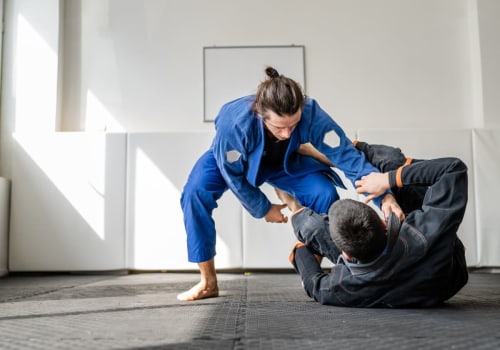
Grappling is equally important in MMA, focusing on controlling opponents through holds and submissions. Key grappling techniques include:- Brazilian Jiu-Jitsu (BJJ): BJJ emphasizes ground fighting and submission holds. Practitioners learn to leverage their body weight to control opponents and apply joint locks or chokeholds.
- Wrestling: This discipline focuses on takedowns and positional control.
Wrestlers excel at dictating where the fight takes place, whether standing or on the ground.
- Sambo: A Russian martial art that combines judo and wrestling techniques, Sambo includes both striking and grappling elements, making it a versatile choice for MMA fighters.
Different Styles Within Mixed Martial Arts
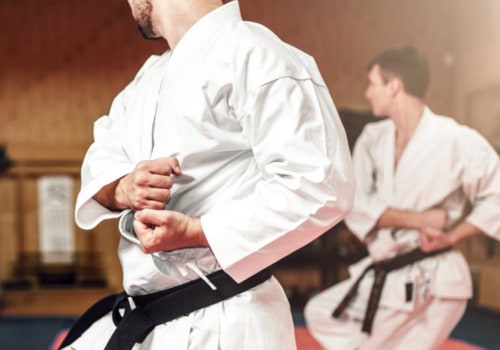
Mixed martial arts (MMA) is a dynamic sport that draws from a wide array of martial arts disciplines, each contributing unique techniques and philosophies. Understanding the different styles within MMA not only enhances appreciation for the sport but also provides insight into the diverse skill sets that fighters bring to the octagon. Here are some of the most influential martial arts styles that have shaped modern MMA:- Karate: Originating from Japan, karate emphasizes striking techniques, including punches, kicks, and knee strikes.
Various styles exist, such as Shotokan, known for its powerful linear movements, and Goju-Ryu, which incorporates both hard and soft techniques. Karate practitioners often excel in distance management and quick strikes.
- Brazilian Jiu-Jitsu (BJJ): This grappling-based martial art focuses on ground fighting and submission holds. BJJ practitioners learn to control opponents through positional dominance and leverage, making it a crucial component of MMA strategy. The art emphasizes technique over strength, allowing smaller individuals to overcome larger opponents.
- Muay Thai: Known as the "Art of Eight Limbs," Muay Thai utilizes punches, kicks, elbows, and knee strikes.
This striking art from Thailand is renowned for its clinch work and devastating knee strikes, making it a favorite among MMA fighters for its effectiveness in stand-up fighting.
- Wrestling: A foundational discipline in MMA, wrestling provides fighters with superior takedown skills and control on the ground. Styles such as collegiate wrestling and freestyle wrestling focus on grappling techniques that can dictate the pace of a fight.
- Judo: This Japanese martial art emphasizes throws and takedowns, allowing practitioners to use an opponent's weight against them. Judo's focus on balance and leverage makes it an effective style for gaining advantageous positions in MMA bouts.
- Boxing: While primarily a striking art, boxing's footwork, head movement, and punching techniques are invaluable in MMA. Boxers often excel in striking accuracy and defensive maneuvers, making them formidable opponents in stand-up exchanges.
- Kickboxing: Combining elements of traditional boxing with kicks from various martial arts, kickboxing offers a versatile striking approach.
It allows fighters to develop powerful kicks while maintaining effective hand techniques.
- Sambo: A Russian martial art that blends judo and wrestling techniques, Sambo focuses on both grappling and striking. Its unique approach to submissions and throws has influenced many MMA fighters' training regimens.
- Kino Mutai: A rare style that incorporates biting and eye-gouging techniques, Kino Mutai is often viewed as controversial but showcases the diverse approaches within martial arts.
- Yaw Yan: Originating from the Philippines, this kickboxing style integrates traditional Filipino martial arts with modern combat techniques, emphasizing both striking and self-defense against weapons.
Training for Mixed Martial Arts
Training for mixed martial arts (MMA) is a multifaceted endeavor that requires dedication, discipline, and a well-rounded approach to physical conditioning, skill development, and mental fortitude.Whether you are a beginner or an experienced fighter, understanding the components of effective training can significantly enhance your performance in the cage.
Physical Conditioning
Physical fitness is the foundation of any successful MMA training regimen. Fighters must develop strength, endurance, agility, and flexibility to compete effectively. Here are some essential components of physical conditioning:- Strength Training: Incorporate compound movements such as squats, deadlifts, and bench presses to build overall strength. Resistance training should focus on both upper and lower body to ensure balanced muscle development.
- Cardiovascular Endurance: High-intensity interval training (HIIT) is particularly effective for MMA fighters.
It mimics the bursts of energy required during a fight. Activities like running, cycling, or swimming can also improve cardiovascular health.
- Flexibility and Mobility: Regular stretching and mobility exercises can prevent injuries and enhance performance. Consider incorporating yoga or dynamic stretching routines into your training schedule.
Skill Development
While physical conditioning is crucial, honing your fighting skills is equally important. Here are some tips for effective skill development:- Focus on Technique: Spend time mastering the fundamentals of striking (such as boxing and kickboxing) and grappling (like Brazilian jiu-jitsu and wrestling).
Quality over quantity is key; perfect your techniques before moving on to advanced maneuvers.
- Sparring: Regular sparring sessions with partners of varying skill levels will help you apply techniques in real-time scenarios. This practice not only improves your skills but also builds confidence in your abilities.
- Drill Specific Techniques: Set aside time to drill specific techniques repeatedly. This could include practicing submissions, takedowns, or striking combinations until they become second nature.
Mental Preparation
MMA is as much a mental game as it is physical. Mental preparation can give fighters a competitive edge:- Visualization: Spend time visualizing successful performances in the cage.
This mental rehearsal can enhance confidence and reduce anxiety before fights.
- Mindfulness and Focus: Techniques such as meditation can help improve focus and reduce stress levels. Staying calm under pressure is essential during fights.
- Goal Setting: Establish clear, achievable goals for your training and competition. This will help maintain motivation and provide a roadmap for your progress.
The Role of Nutrition in Mixed Martial Arts
Nutrition plays a pivotal role in the performance and recovery of mixed martial artists (MMA fighters).The right diet not only fuels training sessions but also aids in recovery, enhances endurance, and supports overall health. Understanding the unique nutritional needs of MMA athletes is essential for optimizing their performance in the cage.
Key Nutritional Components for MMA Fighters
A well-rounded diet for fighters should include a balance of macronutrients: carbohydrates, proteins, and fats. Each of these components serves a specific purpose:- Carbohydrates: These are the primary source of energy for high-intensity training. Fighters should focus on complex carbohydrates such as whole grains, fruits, and vegetables to provide sustained energy levels.
- Proteins: Essential for muscle repair and growth, protein intake is crucial for recovery after intense training sessions.
Sources like lean meats, fish, eggs, and plant-based proteins should be included in their diet.
- Fats: Healthy fats are vital for hormone production and overall health. Incorporating sources like avocados, nuts, seeds, and olive oil can help maintain energy levels during prolonged training.
Hydration: A Critical Element
Staying hydrated is equally important for MMA fighters. Dehydration can lead to decreased performance, increased fatigue, and longer recovery times. Athletes should aim to drink water consistently throughout the day and consider electrolyte-rich beverages during intense training sessions or weight cuts.Meal Timing and Frequency
The timing of meals can significantly impact an athlete's performance.Fighters often benefit from eating smaller, more frequent meals throughout the day to maintain energy levels and support metabolism. Pre-training meals should be rich in carbohydrates and moderate in protein to fuel workouts effectively.
Supplements: Enhancing Performance
While a balanced diet should be the foundation of an MMA fighter's nutrition plan, certain supplements can provide additional benefits. Common supplements include:- Protein powders: Useful for meeting protein needs post-workout.
- BCAAs (Branched-Chain Amino Acids): May help reduce muscle soreness and improve recovery.
- Creatine: Can enhance strength and power during training.
The Competitive Landscape of Mixed Martial Arts
The world of mixed martial arts (MMA) is not just about individual fighters; it is also a vibrant competitive landscape shaped by various organizations and events that draw fans from around the globe.At the forefront of this landscape is the Ultimate Fighting Championship (UFC), which has played a pivotal role in popularizing MMA as a mainstream sport. The UFC, founded in 1993, has grown exponentially over the years, becoming synonymous with MMA. It hosts numerous events each year, featuring fighters from diverse backgrounds and disciplines. The organization has established weight classes, rules, and regulations that ensure fair competition while promoting safety for the athletes. Major events like UFC 100 and UFC 200 have become landmark occasions in sports history, showcasing high-stakes bouts that often feature championship titles on the line. Another significant player in the MMA arena is Bellator MMA, which was founded in 2008. Bellator has carved out its niche by focusing on tournament-style competitions and offering fighters a platform to showcase their skills.
The organization has attracted many former UFC fighters and continues to grow its fan base through exciting matchups and innovative promotional strategies. In addition to these major organizations, there are several other promotions that contribute to the competitive landscape of mixed martial arts. These include:
- ONE Championship: Based in Asia, ONE Championship emphasizes martial arts culture and showcases fighters from various disciplines.
- PFL (Professional Fighters League): Known for its unique season format, PFL features a regular season, playoffs, and championship events, providing fighters with opportunities to earn a million-dollar prize.
- Invicta FC: This organization focuses on women's MMA, providing female fighters with a platform to compete at high levels.
Women in Mixed Martial Arts
The landscape of mixed martial arts (MMA) has undergone a remarkable transformation over the past few decades, particularly with the rise of women in the sport.Female fighters have not only broken barriers but have also redefined the perception of women in combat sports, showcasing their skills, strength, and determination. Historically, women faced significant challenges in gaining recognition within the MMA community. The early days of MMA were predominantly male-dominated, with limited opportunities for female athletes. However, the emergence of organizations like the Ultimate Fighting Championship (UFC) and Invicta Fighting Championships has paved the way for women to compete at the highest levels.
Trailblazers in Women’s MMA
One cannot discuss the rise of women in MMA without mentioning pioneers such as Ronda Rousey. Rousey became the first female fighter to sign with the UFC and was instrumental in popularizing women's MMA.Her impressive grappling skills and charismatic personality drew significant attention to the sport, leading to increased visibility for female fighters. Another notable figure is Amanda Nunes , who has made history as a two-division champion in the UFC. Nunes's dominance in both the bantamweight and featherweight divisions has solidified her status as one of the greatest fighters of all time, inspiring countless women to pursue careers in MMA.
The Impact of Women in MMA
The impact of female fighters extends beyond their individual achievements. They have played a crucial role in expanding the audience for MMA, attracting new fans and sponsors. Women's bouts often feature high levels of skill and competitiveness, challenging stereotypes about women's capabilities in combat sports. Moreover, female fighters have become role models for young girls interested in martial arts.They demonstrate that with hard work and dedication, women can excel in any field, including those traditionally dominated by men. This shift has encouraged more girls to participate in martial arts training, fostering a new generation of female athletes. Despite these advancements, challenges remain. Female fighters often face issues such as pay disparity compared to their male counterparts and limited media coverage. However, as more women continue to break records and achieve success in MMA, these barriers are gradually being dismantled. In conclusion, the rise of women in mixed martial arts is a testament to their resilience and talent.
As they continue to make strides within the sport, their contributions will undoubtedly shape the future of MMA for generations to come.
The Future of Mixed Martial Arts
The landscape of mixed martial arts (MMA) is continuously evolving, and its future promises to be as dynamic as its past. As the sport gains traction globally, several emerging trends are likely to shape its trajectory in the coming years. One significant trend is the increasing popularity of MMA among younger audiences. With the rise of social media platforms and streaming services, fighters can now reach fans directly, creating a more personal connection. This accessibility not only boosts viewership but also encourages participation in local gyms and training programs, fostering a new generation of fighters. Moreover, the integration of technology into training and competition is set to revolutionize how athletes prepare for fights.Wearable technology, such as smart gloves and fitness trackers, can provide real-time data on performance metrics like heart rate, speed, and technique efficiency. This data-driven approach allows fighters to tailor their training regimens more effectively, potentially leading to improved performance in the octagon. In addition to technological advancements, regulatory changes are anticipated as the sport matures. As MMA continues to gain legitimacy as a professional sport, there may be a push for more standardized regulations across different organizations. This could include stricter safety protocols, enhanced medical examinations for fighters, and clearer guidelines on weight classes and fight contracts.
Such changes would not only protect athletes but also enhance the sport's reputation. Furthermore, the global expansion of MMA is likely to introduce new styles and techniques into mainstream competition. As fighters from diverse backgrounds enter the sport, we can expect a fusion of various martial arts disciplines that will enrich fight strategies and techniques. This cross-pollination could lead to innovative fighting styles that challenge traditional norms. Finally, predictions for the future of MMA also point towards increased collaboration with other sports and entertainment sectors. The crossover appeal of MMA fighters into mainstream media—such as acting or reality television—could further elevate the sport's profile.
As athletes become household names, they may attract new fans who might not have previously engaged with combat sports. In conclusion, the future of mixed martial arts is bright and full of potential. With technological innovations, regulatory advancements, and a growing global fanbase, MMA is poised to continue its ascent as one of the most exciting sports in the world.
Conclusion: The Impact of Mixed Martial Arts on Sports Culture
As we conclude our exploration of mixed martial arts (MMA), it is essential to reflect on its profound impact on sports culture and society. Over the years, MMA has transcended its origins as a niche combat sport to become a global phenomenon, influencing not only athletes but also fans and communities worldwide. The rise of MMA has led to a significant shift in how combat sports are perceived. Traditionally dominated by boxing and wrestling, the sports landscape has expanded to embrace the multifaceted nature of MMA.This evolution has fostered a greater appreciation for various martial arts disciplines, encouraging practitioners to explore styles such as Brazilian jiu-jitsu, Muay Thai, and judo. As a result, athletes are now more versatile, often training in multiple disciplines to enhance their performance. Moreover, the popularity of MMA has sparked a cultural movement that emphasizes discipline, respect, and personal growth. Many practitioners find that engaging in martial arts fosters not only physical fitness but also mental resilience and self-confidence. Gyms and training centers have become community hubs where individuals from diverse backgrounds come together to learn and grow, breaking down social barriers. Additionally, the commercialization of MMA through organizations like the UFC has transformed it into a lucrative industry.
This growth has created numerous opportunities for athletes, trainers, and promoters alike. The sport's visibility on mainstream media platforms has also contributed to its acceptance and popularity, drawing in millions of viewers and fans who appreciate the athleticism and strategy involved in each bout. However, with this growth comes responsibility. The sport must continue to prioritize athlete safety and well-being while promoting fair competition. Regulatory bodies are increasingly focusing on establishing guidelines that protect fighters from injury while ensuring that the integrity of the sport is maintained. In summary, mixed martial arts has made a lasting impact on sports culture by promoting inclusivity, fostering community engagement, and enhancing the appreciation for diverse martial arts disciplines.
As it continues to evolve, MMA will undoubtedly shape the future of combat sports and inspire generations of athletes to pursue their passions with dedication and respect.