Know the whole fight.
The Most Devastating Bone Fractures in MMA History
Explore the most shocking bone fractures in MMA history, highlighting the risks and realities of mixed martial arts injuries.
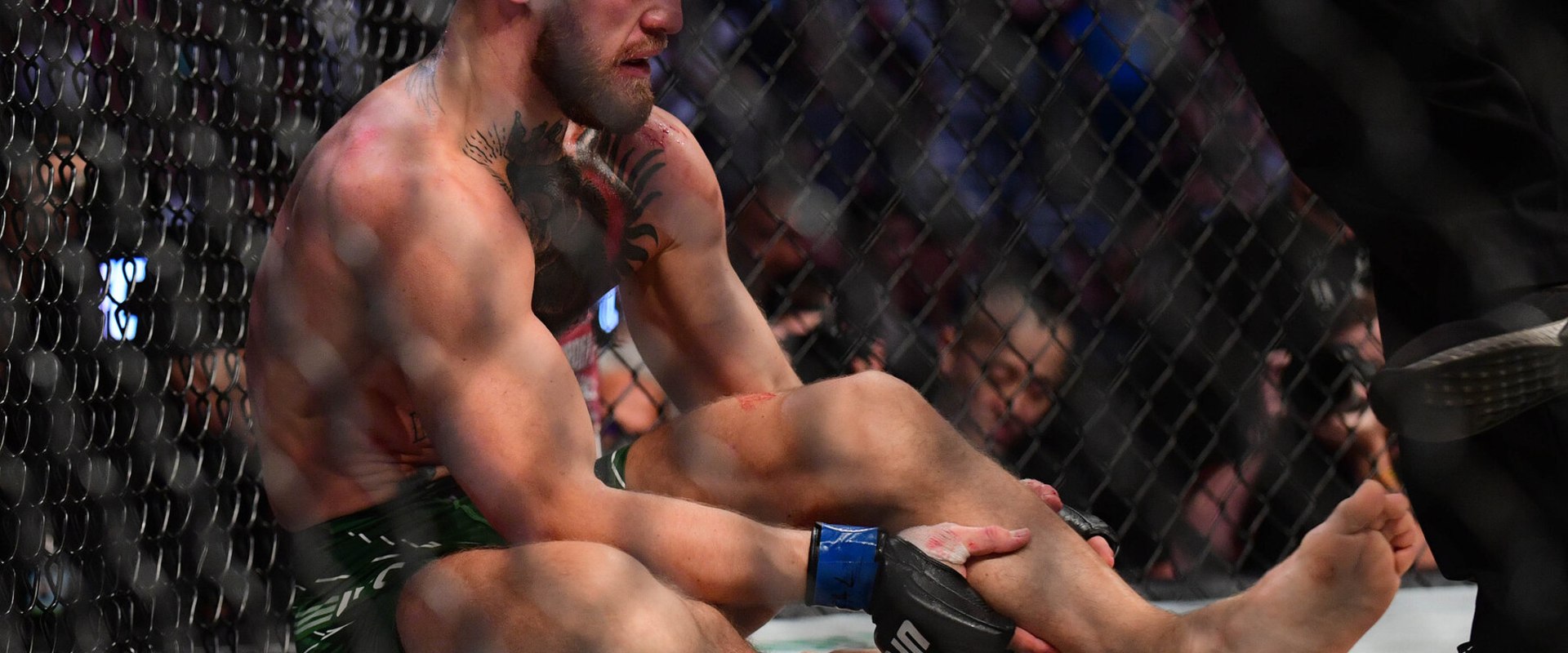
In the high-octane world of mixed martial arts (MMA), fighters push their bodies to the limit, often resulting in severe injuries, including bone fractures. These injuries are not just a byproduct of the sport; they are a stark reality that can alter the trajectory of a fighter's career. The combination of striking, grappling, and the sheer physicality of MMA creates an environment where fractures can occur with alarming frequency. Understanding the nature and impact of these injuries is crucial for both fighters and fans alike. Bone fractures in MMA can range from minor injuries that require little recovery time to catastrophic breaks that end careers.
The most common types of fractures include those of the hands, feet, and legs, often resulting from powerful strikes or awkward landings during takedowns. For instance, a fighter may break their hand while delivering a punch or suffer a leg fracture from a poorly executed kick. These injuries not only cause immediate pain but can also lead to long-term complications, affecting a fighter's performance and longevity in the sport. The prevalence of such injuries has sparked discussions about safety measures within the sport. While MMA organizations like the UFC have implemented various protocols to protect fighters, the risk remains inherent due to the nature of combat sports.
Fighters must be aware of their bodies and the potential for injury, as well as the importance of proper training and recovery techniques. As we delve deeper into some of the most severe bone fractures in MMA history, it becomes evident that these incidents serve as cautionary tales for both aspiring fighters and seasoned veterans.
Understanding Bone Fractures: Types and Causes
In the world of mixed martial arts (MMA), understanding the types and causes of bone fractures is crucial for both fighters and fans alike. Bone fractures can vary significantly in severity and type, each presenting unique challenges and risks during a fight.Types of Bone Fractures
Bone fractures in MMA can be categorized into several types:- Simple Fractures: Also known as closed fractures, these occur when the bone breaks but does not pierce the skin. They are often less complicated to treat but can still lead to significant pain and recovery time.
- Compound Fractures: In contrast, compound fractures involve the bone breaking through the skin, increasing the risk of infection and complicating treatment.
These are among the most severe injuries a fighter can sustain.
- Greenstick Fractures: Common in younger fighters whose bones are still developing, greenstick fractures are incomplete breaks where the bone bends but does not break all the way through. While less common in adults, they can still occur under extreme stress.
- Comminuted Fractures: This type involves the bone shattering into multiple pieces, often resulting from high-impact strikes or falls. Comminuted fractures require extensive medical intervention and rehabilitation.
- Stress Fractures: These are tiny cracks in the bone that develop over time due to repetitive force or overuse. In MMA, stress fractures can occur in the feet or shins from constant striking or kicking.
Causes of Fractures in MMA
The causes of bone fractures in mixed martial arts are multifaceted:- Strikes and Kicks: The most common cause of fractures is direct impact from punches or kicks.
A well-placed kick to an opponent's leg can lead to a fracture in either fighter's shin or foot.
- Takedowns and Throws: When fighters grapple, the force exerted during takedowns can lead to fractures, especially if a fighter lands awkwardly or is thrown with significant force.
- Submissions: While attempting submission holds, a fighter may inadvertently apply too much pressure on their opponent's limb, leading to a fracture. This is particularly true for arm bars or leg locks.
- Training Injuries: Many fractures occur during training rather than actual fights. Sparring sessions can lead to injuries if fighters push their limits without proper precautions.
The Most Notorious Bone Fractures in MMA History
Mixed martial arts (MMA) is a sport that combines various fighting styles, and while it showcases incredible athleticism and skill, it also comes with a significant risk of injury.Among these injuries, bone fractures stand out as some of the most notorious and shocking moments in the sport's history. Here, we delve into some of the most infamous bone fractures that have occurred in MMA, highlighting the fighters involved and the circumstances surrounding these devastating injuries.
Anderson Silva's Leg Break
One of the most memorable and gruesome injuries in MMA history occurred during UFC 168 when former champion Anderson Silva faced Chris Weidman in a highly anticipated rematch. In the second round, Silva attempted to land a leg kick, but Weidman checked the kick perfectly. The impact caused Silva's tibia and fibula to snap in a horrific fashion, leaving fans and fighters alike in shock.
The image of Silva's leg bending at an unnatural angle is forever etched in MMA lore, serving as a stark reminder of the sport's physical toll.
Kevin Randleman's Neck Injury
Another notable incident occurred during a fight between Kevin Randleman and Mark Coleman. Randleman suffered a severe neck injury that resulted in a fracture during a takedown attempt. The injury was so severe that it raised concerns about his long-term health and career. Randleman's resilience allowed him to return to the octagon, but this incident highlighted the risks associated with grappling techniques in MMA.
Brian Ortega's Shoulder Dislocation
In a fight against Max Holloway, Brian Ortega faced one of the toughest challenges of his career.
During the bout, Ortega suffered a shoulder dislocation that not only ended his chances of winning but also left him with lasting effects from the injury. This incident serves as a reminder that even elite fighters are not immune to severe injuries, which can occur at any moment during a match.
The Impact of Fractures on Fighters
The aftermath of these injuries often leads to lengthy recovery periods and can significantly impact a fighter's career trajectory. Many fighters have had to reassess their training regimens and fighting styles following such traumatic experiences. The psychological effects can be just as profound, as athletes grapple with fear and anxiety about re-injury.
In conclusion, while mixed martial arts is celebrated for its excitement and unpredictability, it is essential to acknowledge the risks involved.
The infamous bone fractures that have occurred throughout MMA history serve as cautionary tales for both fighters and fans alike, reminding us of the sport's brutal nature.
Case Study: The Arm Breaks That Shocked Fans
In the world of mixed martial arts, few injuries evoke as much shock and horror as arm breaks. These incidents not only highlight the physical risks fighters face but also serve as stark reminders of the sport's brutal nature. Here, we delve into some of the most notable arm fractures that have left fans and fighters alike in disbelief. One of the most infamous arm breaks occurred during the fight between Anderson Silva and Chris Weidman at UFC 168. Silva, a former champion known for his striking prowess, suffered a devastating leg kick that resulted in a compound fracture of his left tibia and fibula. While this injury primarily affected his leg, it was the aftermath that shocked viewers.As Silva attempted to throw a kick, Weidman checked it with his knee, causing Silva's leg to snap grotesquely. The sight was so disturbing that it remains etched in the memories of MMA fans worldwide. Another notable incident involved Kevin Randleman , who faced Mark Coleman in a match that would go down in history for its brutality. During a grappling exchange, Randleman's arm was caught in an awkward position, leading to a severe fracture. The injury was not only painful but also showcased the unpredictable nature of grappling in MMA, where limbs can be twisted and turned in ways that defy normal movement. The case of Benson Henderson is also worth mentioning.
In a title defense against Anthony Pettis , Henderson found himself in a precarious position when Pettis applied a guillotine choke. As Henderson struggled to escape, his arm was hyperextended, resulting in a fracture that left him unable to continue. This incident highlighted the risks associated with submission attempts and how quickly a fight can turn from competitive to catastrophic. These cases serve as poignant reminders of the dangers inherent in mixed martial arts. Fighters train rigorously to prepare for combat, yet even the most skilled athletes can fall victim to unexpected injuries.
The psychological impact of witnessing such injuries can be profound, affecting not only the fighters involved but also their opponents and fans who witness these traumatic events. In conclusion, arm breaks in MMA are more than just physical injuries; they symbolize the extreme risks fighters take every time they step into the octagon. As the sport continues to evolve, understanding these incidents helps fans appreciate both the athleticism and vulnerability of mixed martial artists.
Leg Fractures: A Closer Look at Lower Limb Injuries
In the world of mixed martial arts (MMA), leg fractures are among the most devastating injuries a fighter can sustain. These injuries not only impact the fighter's immediate performance but can also have long-lasting effects on their career. Understanding how these fractures occur and examining notable incidents can provide insight into the risks associated with lower limb injuries in MMA. Leg fractures typically occur during high-impact exchanges, where a fighter's leg is subjected to extreme forces.Common scenarios include:
- Low Kicks: When a fighter delivers a powerful kick to an opponent's leg, it can lead to a fracture if the opponent checks the kick with their shin. This collision can result in a break, particularly in the fibula or tibia.
- Submission Attempts: During grappling exchanges, a fighter may inadvertently place excessive pressure on their opponent's leg, leading to fractures during submission holds.
- Accidental Falls: Fighters often find themselves in precarious positions, and a misstep or fall can lead to a fracture if the leg twists awkwardly upon impact.
Lee's injury was less dramatic than Silva's but still significant enough to affect his performance and ultimately lead to his defeat. Such incidents underscore how even minor injuries can have major implications in high-stakes fights. The implications of leg fractures extend beyond immediate pain and recovery time. Fighters may face lengthy rehabilitation periods, which can disrupt their training schedules and affect their rankings within the sport. Additionally, psychological factors come into play; fighters may develop an aversion to certain techniques or strategies that could expose them to similar injuries in the future. In conclusion, leg fractures are a serious concern in mixed martial arts, with potential consequences that reach far beyond the octagon.
As fighters continue to push their limits, understanding these risks becomes essential for both competitors and fans alike.
The Psychological Impact of Severe Injuries on Fighters
In the world of mixed martial arts, the physical toll of severe injuries is often discussed, but the psychological impact is equally significant and deserves attention. Fighters who experience catastrophic injuries face not only the challenge of physical recovery but also a complex emotional journey that can affect their mental health and future in the sport. One of the most profound psychological effects of severe injuries is the fear of re-injury. After experiencing a traumatic event, many fighters develop an intense anxiety about returning to the octagon. This fear can manifest as a reluctance to engage fully in training or competition, leading to a cycle of doubt and hesitation.The mental block can hinder performance, as fighters may subconsciously avoid techniques or strategies that could expose them to further injury. Moreover, the identity crisis that often accompanies severe injuries cannot be overlooked. For many fighters, their persona is intertwined with their ability to compete. When an injury sidelines them, it can lead to feelings of inadequacy and loss of purpose. The transition from being an active competitor to a sidelined athlete can create a sense of isolation, as they may feel disconnected from their peers who continue to train and fight. Recovery from severe injuries also poses unique psychological challenges.
The rehabilitation process can be long and arduous, requiring immense patience and resilience. Fighters may struggle with frustration during this time, especially if progress is slow or setbacks occur. This frustration can lead to depression or anxiety, further complicating their recovery. Support systems play a crucial role in helping fighters navigate these challenges. Coaches, teammates, and mental health professionals can provide essential encouragement and guidance throughout the recovery process.
Engaging in therapy or counseling can also be beneficial, allowing fighters to address their fears and emotions in a constructive manner. Ultimately, understanding the psychological impact of severe injuries in MMA is vital for fostering a supportive environment for fighters. By acknowledging these challenges and providing appropriate resources, the sport can help athletes not only recover physically but also regain their confidence and mental fortitude as they return to competition.
Preventing Bone Fractures: Safety Measures in Training and Fights
In the high-octane world of mixed martial arts (MMA), the risk of bone fractures is a reality that fighters must confront. However, implementing effective safety measures can significantly reduce the likelihood of such injuries during both training and competition. Here are some essential strategies to consider:- Proper Technique Training: Mastering the fundamentals of striking and grappling is crucial.
Fighters should focus on learning the correct techniques to minimize the risk of injury. For instance, understanding how to throw punches and kicks without overextending joints can help prevent fractures.
- Gradual Progression: Newcomers to MMA should avoid jumping into intense sparring sessions too quickly. Gradually increasing the intensity and duration of training allows the body to adapt, reducing the risk of injuries.
- Protective Gear: Utilizing appropriate protective equipment, such as shin guards, mouthguards, and hand wraps, can provide an additional layer of safety. These items are designed to absorb impact and protect vulnerable areas from fractures.
- Supervised Sparring: Engaging in sparring sessions under the supervision of experienced coaches can help ensure that fighters practice safely.
Coaches can provide immediate feedback on technique and intervene if they notice unsafe practices.
- Conditioning and Strength Training: A well-rounded conditioning program that includes strength training can enhance bone density and muscle support around joints. This not only improves performance but also helps protect against fractures during high-impact situations.
- Listening to Your Body: Fighters should be attuned to their bodies and recognize signs of fatigue or discomfort. Ignoring these signals can lead to poor decision-making during fights or training, increasing the risk of injury.
FAQs About Bone Fractures in Mixed Martial Arts
Mixed martial arts (MMA) is an intense sport that combines various fighting styles, and with that intensity comes a heightened risk of injuries, particularly bone fractures.Below are some frequently asked questions regarding these injuries, aimed at providing clarity and understanding for both fighters and fans alike.
What are the most common types of fractures in MMA?
In MMA, the most prevalent types of fractures include:- Hand Fractures: These often occur from striking an opponent or blocking a punch. The small bones in the hand are particularly vulnerable.
- Wrist Fractures: Similar to hand fractures, these can happen during punches or falls.
- Leg Fractures: Kicks to the shin can lead to fractures, especially when a fighter's leg collides with an opponent's shin.
- Foot Fractures: These can occur from kicking or landing awkwardly after a jump or takedown.
How do fighters recover from bone fractures?
The recovery process for bone fractures in MMA varies depending on the severity of the injury. Generally, it involves:- Medical Evaluation: A thorough assessment by a healthcare professional is crucial to determine the extent of the fracture.
- Rest and Immobilization: Most fractures require a period of rest and immobilization using casts or splints to allow proper healing.
- Physical Therapy: Once healed, fighters often undergo physical therapy to regain strength and mobility in the affected area.
- Gradual Return to Training: Fighters typically return to training gradually, starting with low-impact exercises before resuming full-contact training.
Are there preventative measures for avoiding fractures?
While it’s impossible to eliminate all risks associated with MMA, several strategies can help reduce the likelihood of fractures:- Proper Technique: Learning and practicing correct striking and grappling techniques can minimize injury risks.
- Strength Training: Building muscle strength around vulnerable areas can provide better support and protection against fractures.
- Protective Gear: Using appropriate protective equipment, such as hand wraps and shin guards, can help absorb impact during training and fights.
Conclusion: The Reality of Injuries in Mixed Martial Arts
In the world of mixed martial arts, injuries are an unfortunate but inevitable aspect of the sport.As we have explored throughout this article, the physical demands placed on fighters can lead to some of the most severe and graphic injuries imaginable. From shattered bones to dislocated joints, the risks are real and present in every bout. Understanding the nature of these injuries is crucial for both fighters and fans. While many may view MMA as a brutal spectacle, it is essential to recognize the skill, strategy, and discipline involved in each fight. The athletes who step into the octagon are not only competing for victory but also navigating a landscape fraught with potential harm. Moreover, the psychological impact of such injuries cannot be overlooked.
Fighters often face long recovery periods, which can lead to mental health challenges, including anxiety and depression. The fear of injury can also affect performance, as athletes may hesitate to fully commit to their techniques or strategies. As we reflect on some of the worst bone fractures in MMA history, it becomes clear that awareness and education are vital. Fighters must prioritize their health and safety by training properly, using protective gear when necessary, and listening to their bodies. Coaches and trainers play a pivotal role in this process, ensuring that their athletes are prepared for the rigors of competition while minimizing the risk of injury. For fans, understanding the realities of injuries in mixed martial arts can foster a deeper appreciation for the sport.
It is not merely about watching two fighters clash; it is about recognizing their dedication and resilience in the face of adversity. As we continue to support our favorite fighters, let us also advocate for their well-being and safety. In conclusion, while injuries are a part of mixed martial arts, they should not overshadow the incredible athleticism and heart displayed by these competitors. By promoting awareness and understanding, we can contribute to a safer environment for all involved in this thrilling sport.