Know the whole fight.
Is MMA the Best Martial Art? A Comprehensive Analysis of Mixed Martial Arts
Explore the effectiveness of MMA as a martial art. Discover its advantages, training methods, and how it compares to traditional styles.
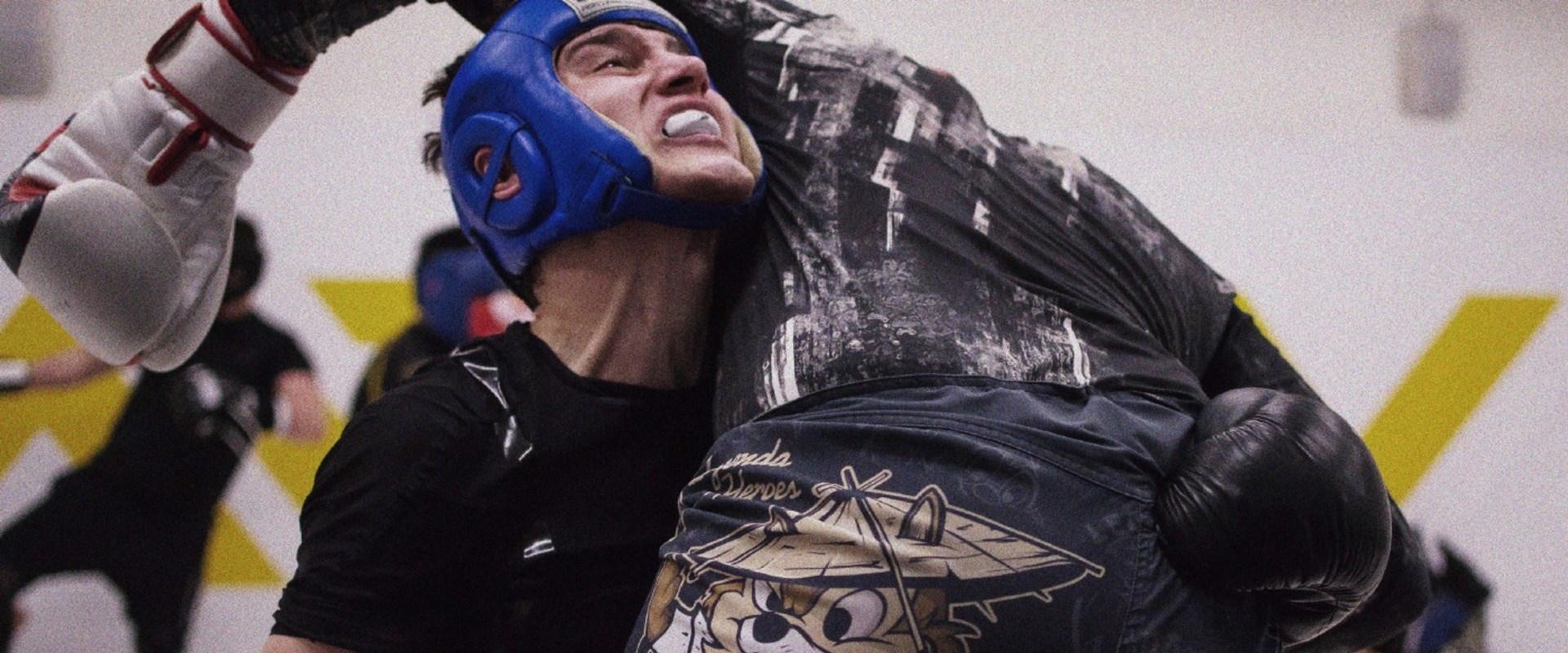
Mixed Martial Arts, commonly referred to as MMA, is a dynamic and multifaceted combat sport that combines various martial arts disciplines into a single competitive framework. At its core, MMA allows fighters to utilize techniques from a wide array of fighting styles, including boxing, wrestling, Brazilian Jiu-Jitsu, Muay Thai, and more. This blend of techniques not only enhances the versatility of the fighters but also makes MMA one of the most comprehensive forms of self-defense and competition available today. The origins of MMA can be traced back to ancient combat sports, where different fighting styles were tested against one another. However, the modern incarnation of MMA began to take shape in the early 1990s with the establishment of organizations like the Ultimate Fighting Championship (UFC).
The UFC aimed to determine which martial art was the most effective in a no-holds-barred environment. This led to a surge in interest and participation in mixed martial arts, as fighters began to realize the importance of being well-rounded in multiple disciplines rather than specializing in just one. As MMA evolved, it adopted rules and regulations that enhanced safety while maintaining the sport's competitive edge. The introduction of weight classes, time limits, and a comprehensive set of rules helped legitimize MMA as a professional sport. Today, it is governed by various athletic commissions worldwide, ensuring fair play and athlete safety.
The rise of MMA has not only transformed the landscape of combat sports but has also influenced self-defense training and fitness regimens globally. Understanding mixed martial arts is essential for anyone interested in exploring its benefits or considering it as a viable form of self-defense. As we delve deeper into this discussion, we will explore whether MMA truly stands out as the best martial art compared to traditional styles.
The Evolution of MMA: From Origins to Mainstream
The journey of mixed martial arts (MMA) is a fascinating tale that intertwines various fighting disciplines, cultural influences, and the evolution of combat sports. To truly appreciate the effectiveness of MMA today, it is essential to understand its historical roots and how it has transformed over the years. MMA's origins can be traced back to ancient civilizations where various forms of combat were practiced. For instance, the Greeks had Pankration, a no-holds-barred fighting style that combined elements of boxing and wrestling.This early form of mixed fighting laid the groundwork for what would eventually evolve into modern MMA. As martial arts spread across the globe, different cultures developed their own unique styles. In Asia, disciplines such as Karate, Judo, and Kung Fu emerged, each with its own techniques and philosophies. Meanwhile, in Europe, wrestling and boxing were gaining popularity. These diverse martial arts began to influence one another, setting the stage for the eventual rise of MMA. The modern era of MMA began in the early 1990s with the establishment of the Ultimate Fighting Championship (UFC).
The UFC was created to determine which martial art was superior in a real fight scenario. The first event, held in 1993, featured fighters from various backgrounds competing against one another without weight classes or rules. This groundbreaking format showcased the effectiveness of different styles and highlighted the importance of adaptability in combat. As the sport gained traction, it underwent significant changes. Initially criticized for its brutality and lack of regulations, MMA began to adopt rules and safety measures to protect fighters.
The introduction of weight classes, time limits, and a comprehensive set of regulations helped legitimize the sport and attract a broader audience. Today, MMA is recognized as a legitimate sport worldwide, with organizations like the UFC leading the charge in promoting its growth. The evolution from a fringe spectacle to a mainstream phenomenon has not only changed public perception but has also influenced how martial arts are taught and practiced globally. Understanding this historical context is crucial for appreciating why MMA is often regarded as one of the most effective forms of self-defense and competition. Its ability to integrate techniques from various martial arts allows practitioners to adapt to any situation they may encounter in a fight.
Key Components of Mixed Martial Arts
Mixed Martial Arts (MMA) is a dynamic and multifaceted sport that integrates various fighting techniques and disciplines, making it one of the most versatile martial arts available today. Understanding the key components of MMA is essential for appreciating its effectiveness in both competitive and self-defense scenarios.Striking Techniques in MMA
Striking is a fundamental aspect of MMA, encompassing a range of techniques derived from different martial arts.The primary striking disciplines include:
- Boxing: Known for its emphasis on hand strikes, footwork, and head movement, boxing provides MMA fighters with powerful punches and the ability to evade attacks. Boxers develop quick reflexes and strong combinations that can be devastating in the octagon.
- Kickboxing: This discipline combines punches with kicks, allowing fighters to attack from various angles. Kickboxing techniques enhance a fighter's versatility, enabling them to deliver powerful leg kicks, knee strikes, and body shots.
- Muay Thai: Often referred to as the "Art of Eight Limbs," Muay Thai incorporates punches, kicks, elbows, and knee strikes. Its clinch work is particularly valuable in MMA, as it allows fighters to control their opponents at close range.
Grappling Techniques in MMA
While striking is crucial, grappling plays an equally important role in MMA.Grappling techniques focus on controlling opponents through holds and submissions. Key grappling disciplines include:
- Wrestling: Wrestlers excel in takedowns and positional control. Their ability to dictate where the fight takes place—whether standing or on the ground—gives them a significant advantage. Wrestlers are trained to maintain top position and avoid being taken down themselves.
- Brazilian Jiu-Jitsu (BJJ): BJJ focuses on ground fighting and submission techniques.
It teaches fighters how to leverage their body weight against larger opponents, making it effective for self-defense. BJJ practitioners learn various submissions such as arm bars, chokes, and joint locks that can end a fight quickly.
- Judo: Judo emphasizes throws and takedowns, allowing fighters to use their opponent's momentum against them. Judo techniques can be particularly effective in transitioning from standing to ground fighting.
This versatility is what sets MMA apart from traditional martial arts, making it an ideal choice for those seeking comprehensive self-defense training or competitive success.
Comparing MMA with Traditional Martial Arts
When evaluating the effectiveness of mixed martial arts (MMA) compared to traditional martial arts, it is essential to consider various factors, including adaptability, real-world application, and self-defense capabilities. Traditional martial arts such as karate, judo, and taekwondo have their unique strengths and philosophies, but they often fall short in certain practical scenarios.Karate
, for instance, emphasizes striking techniques and forms. While it teaches discipline and focus, its effectiveness in a real fight can be limited. Many karate practitioners rely heavily on traditional stances and movements that may not translate well in a dynamic combat situation.
In contrast, MMA incorporates striking from various disciplines, allowing fighters to adapt their techniques based on the opponent's style.
Judo
is another traditional martial art that focuses on throws and grappling. While it excels in close-quarters combat and can be effective in taking an opponent to the ground, it lacks the comprehensive striking techniques found in MMA. A judoka may struggle against an opponent who is proficient in both striking and grappling, as MMA fighters are trained to handle multiple aspects of fighting simultaneously.
Taekwondo
, known for its high kicks and agility, offers excellent footwork and speed. However, its emphasis on flashy techniques can sometimes lead to vulnerabilities in a real fight.
MMA fighters are trained to counter such moves effectively, making them more versatile in unpredictable situations. One of the most significant advantages of MMA is its holistic approach to combat. Fighters are trained in various disciplines, including boxing, wrestling, Brazilian jiu-jitsu, and Muay Thai. This diverse skill set allows them to adapt their strategy based on the fight's context—whether standing or on the ground. Moreover, MMA training often includes sparring sessions that simulate real fight conditions. This practical experience is invaluable for developing timing, distance management, and the ability to react under pressure—elements that are sometimes lacking in traditional martial arts training. In terms of self-defense, MMA provides a more realistic framework for handling confrontations.
The techniques learned in MMA are designed for effectiveness against an untrained opponent or multiple attackers. Traditional martial arts may focus more on forms or competition rules that do not account for the unpredictability of street fights. Ultimately, while traditional martial arts have their merits and can instill valuable life skills such as respect and perseverance, MMA stands out as a superior choice for those seeking practical self-defense skills and effective combat training.
The Role of Training and Conditioning in MMA Success
Success in mixed martial arts (MMA) is not solely determined by a fighter's skill set or technique; it is heavily influenced by their training regimen and overall conditioning. The rigorous demands of MMA require fighters to engage in a multifaceted training approach that encompasses various aspects of physical fitness, mental resilience, and tactical preparation.Comprehensive Training Regimen
- Striking Techniques: Fighters must master various striking arts, including boxing, Muay Thai, and kickboxing. This involves not only learning the techniques but also developing the speed and power necessary to execute them effectively in a fight.
- Grappling Skills: Proficiency in wrestling, Brazilian Jiu-Jitsu (BJJ), and judo is essential for controlling opponents on the ground.
Training in these disciplines helps fighters learn how to take the fight to the ground or defend against takedowns.
- Conditioning Workouts: Conditioning is critical for maintaining stamina throughout a fight. Fighters often engage in high-intensity interval training (HIIT), circuit training, and endurance workouts to build cardiovascular fitness and muscular endurance.
The Importance of Fitness
A well-rounded fitness program is vital for MMA fighters. The sport demands explosive strength, agility, flexibility, and endurance. Fighters often incorporate strength training into their routines to enhance their power and prevent injuries.
Additionally, flexibility training through practices like yoga can improve range of motion and reduce the risk of strains.
Mental Preparation
MMA is as much a mental battle as it is a physical one. Mental conditioning plays a crucial role in a fighter's success. Visualization techniques, meditation, and mental rehearsal can help fighters prepare for the psychological pressures of competition. A strong mental game allows fighters to remain focused, calm, and strategic during bouts.
In conclusion, the path to success in MMA is paved with rigorous training and conditioning.
Fighters must commit to a comprehensive regimen that enhances their physical capabilities while also preparing them mentally for the challenges they will face inside the cage. This holistic approach not only improves performance but also equips them with essential skills for self-defense situations outside the sport.
MMA's Effectiveness in Self-Defense Scenarios
When it comes to self-defense, the skills acquired through mixed martial arts (MMA) training offer a practical and effective approach to real-life confrontations. Unlike traditional martial arts that may focus on forms or techniques that are less applicable in street scenarios, MMA emphasizes adaptability and versatility, making it a superior choice for self-defense. One of the key advantages of MMA is its comprehensive training regimen, which incorporates various fighting styles such as boxing, wrestling, Brazilian Jiu-Jitsu (BJJ), and Muay Thai. This blend equips practitioners with a diverse skill set that can be applied in different situations.For instance, a fighter trained in both striking and grappling can effectively defend against an opponent whether the fight remains standing or goes to the ground.
Real-Life Applications
Consider a scenario where an individual is confronted by an aggressor. An MMA practitioner can utilize their striking skills to create distance and deter the attacker. If the situation escalates and the fight goes to the ground, their knowledge of BJJ allows them to maintain control or escape from unfavorable positions. This adaptability is crucial in self-defense situations where unpredictability is the norm. Moreover, MMA training instills confidence and situational awareness in its practitioners.Many testimonials from individuals who have trained in MMA highlight how their training has not only prepared them physically but also mentally for potential confrontations. They report feeling more empowered and capable of handling aggressive situations without resorting to violence unless absolutely necessary.
Street Fighting Skills
MMA also teaches effective street fighting skills that are often overlooked in traditional martial arts. Techniques such as clinching, dirty boxing, and ground control are essential for real-world encounters where rules do not apply. For example, a well-timed knee strike during a clinch can incapacitate an opponent quickly, while grappling techniques can neutralize threats by taking the fight to the ground. In addition to physical techniques, MMA training emphasizes the importance of de-escalation and conflict avoidance strategies.Practitioners learn how to read body language and assess situations, which can often prevent a confrontation from escalating into violence. In conclusion, the effectiveness of MMA in self-defense scenarios is evident through its practical applications and real-life success stories. By combining various martial arts disciplines, MMA provides individuals with the tools they need to protect themselves effectively while fostering confidence and awareness that are invaluable in any potentially dangerous situation.
Limitations of Mixed Martial Arts
While mixed martial arts (MMA) is often hailed as one of the most effective combat sports, it is not without its limitations and criticisms. Understanding these drawbacks is essential for anyone considering MMA as their primary martial art or self-defense system. One significant limitation of MMA is its focus on sport rather than self-defense. In a controlled environment like the octagon, fighters adhere to specific rules that govern what techniques are permissible.This means that certain tactics, such as strikes to the groin or eye gouging, are prohibited. In a real-world self-defense scenario, however, these techniques can be crucial for survival. As a result, practitioners of other martial arts, such as Krav Maga , which emphasize real-world self-defense tactics, may have an advantage in situations where the stakes are higher. Another drawback of MMA is its requirement for extensive training across multiple disciplines. While this versatility is one of its strengths, it can also be a weakness.
A fighter must be proficient in striking, grappling, and ground fighting to be successful. This broad focus can lead to a lack of depth in any single area compared to specialists in traditional martial arts. For instance, a dedicated Brazilian Jiu-Jitsu practitioner may have superior ground skills compared to an MMA fighter who splits their training time among various disciplines. Moreover, the physical demands of MMA can be daunting. The sport requires not only technical skill but also exceptional physical conditioning and mental toughness.
For individuals who may not possess these attributes or who prefer a less intense training regimen, traditional martial arts like Tai Chi or Aikido might offer more accessible options that still provide valuable self-defense skills without the same level of physical strain. Additionally, the competitive nature of MMA can foster an environment where winning becomes the primary focus. This can lead to a mindset that prioritizes aggression over technique and control, which may not translate well into real-life situations where de-escalation is key. In contrast, many traditional martial arts emphasize discipline and respect, teaching practitioners how to avoid conflict whenever possible. In summary, while MMA offers a comprehensive approach to combat sports and self-defense, it has notable limitations. Its sport-oriented nature, broad training requirements, physical demands, and competitive mindset may not suit everyone.
For those seeking effective self-defense techniques or a more holistic approach to martial arts, exploring other styles may provide valuable insights and skills that complement or enhance their understanding of combat.
The Future of Mixed Martial Arts
The landscape of mixed martial arts (MMA) is continuously evolving, and its future promises to be as dynamic as its past. As the sport gains popularity worldwide, several trends are emerging that will shape the next generation of fighters, training methodologies, and competition formats. One significant trend is the increasing integration of technology in training. Fighters are now utilizing advanced analytics and performance tracking tools to enhance their skills. Wearable devices can monitor heart rates, movement patterns, and even stress levels during training sessions.This data allows coaches to tailor training regimens to individual needs, optimizing performance and reducing the risk of injury.
Evolution of Training Methods
Moreover, the evolution of training methods is likely to continue. Traditional martial arts techniques are being blended with modern sports science to create more effective training programs. For instance, strength and conditioning coaches are now common in MMA gyms, focusing on building not just strength but also agility and endurance specific to the demands of a fight. Additionally, mental conditioning is gaining recognition as a crucial component of a fighter's preparation. Techniques such as visualization, mindfulness, and psychological resilience training are becoming standard practices among elite fighters.This holistic approach to training ensures that athletes are not only physically prepared but also mentally equipped to handle the pressures of competition.
Changing Competition Formats
The competition formats themselves may also evolve. While traditional bouts in octagons or rings remain popular, alternative formats such as team-based competitions or mixed-gender events could gain traction. These innovations could attract new audiences and provide fresh challenges for fighters. Furthermore, the rise of social media and streaming platforms has transformed how fans engage with MMA. Fighters can build their brands independently, creating a direct connection with their audience.This shift may lead to more personalized fighting styles as athletes cater their performances to their fan base's preferences.
Public Perception and Acceptance
As public perception of MMA continues to evolve, we may see increased acceptance of the sport in mainstream culture. With more educational initiatives aimed at demystifying MMA and showcasing its athleticism and discipline, it is likely that the stigma surrounding combat sports will diminish. In conclusion, the future of mixed martial arts is poised for exciting developments driven by technological advancements, innovative training methods, evolving competition formats, and changing public perceptions. As these trends unfold, they will undoubtedly contribute to the growth and evolution of MMA as a premier combat sport.Conclusion: Is MMA Truly the Best Martial Art?
In evaluating whether mixed martial arts (MMA) is the best martial art, it is essential to reflect on the various aspects that contribute to its reputation and effectiveness. Throughout this article, we have explored the multifaceted nature of MMA, highlighting its versatility, adaptability, and practical applications in both competitive and self-defense scenarios. One of the most compelling arguments for MMA being the premier martial art lies in its comprehensive approach to combat.Unlike traditional martial arts that often focus on a single discipline, MMA integrates techniques from various fighting styles, including boxing, wrestling, Brazilian jiu-jitsu, Muay Thai, and more. This amalgamation allows practitioners to be well-rounded fighters capable of adapting to different situations, whether standing or on the ground. Moreover, the effectiveness of MMA in real-world self-defense situations cannot be overstated. The training involved in MMA prepares individuals not only physically but also mentally for confrontations. Practitioners learn to remain calm under pressure and develop quick decision-making skills that are crucial in high-stress environments.
This practical application of skills makes MMA a superior choice for those seeking effective self-defense techniques. Additionally, the rigorous training regimen associated with MMA fosters physical fitness and mental resilience. Participants engage in intense workouts that enhance strength, endurance, flexibility, and coordination. These benefits extend beyond the dojo or octagon; they contribute to overall health and well-being. However, it is important to acknowledge that while MMA excels in many areas, it may not be suitable for everyone. Individuals seeking a more traditional or philosophical approach to martial arts might find other disciplines more aligned with their values.
Furthermore, some martial arts emphasize self-discipline and mental focus over physical confrontation, which can be equally valuable. In conclusion, while there are numerous martial arts with unique strengths and philosophies, MMA stands out as a versatile and effective fighting system. Its ability to combine various techniques and adapt to real-world scenarios makes it a strong contender for the title of the best martial art. Ultimately, the choice of martial art should align with personal goals and preferences; however, for those seeking a comprehensive combat system that prepares them for both competition and self-defense, MMA is undoubtedly a top choice.