Know the whole fight.
What is Mixed Martial Arts? A Comprehensive Guide
Explore the world of mixed martial arts (MMA), its history, techniques, and impact on culture in this comprehensive guide.
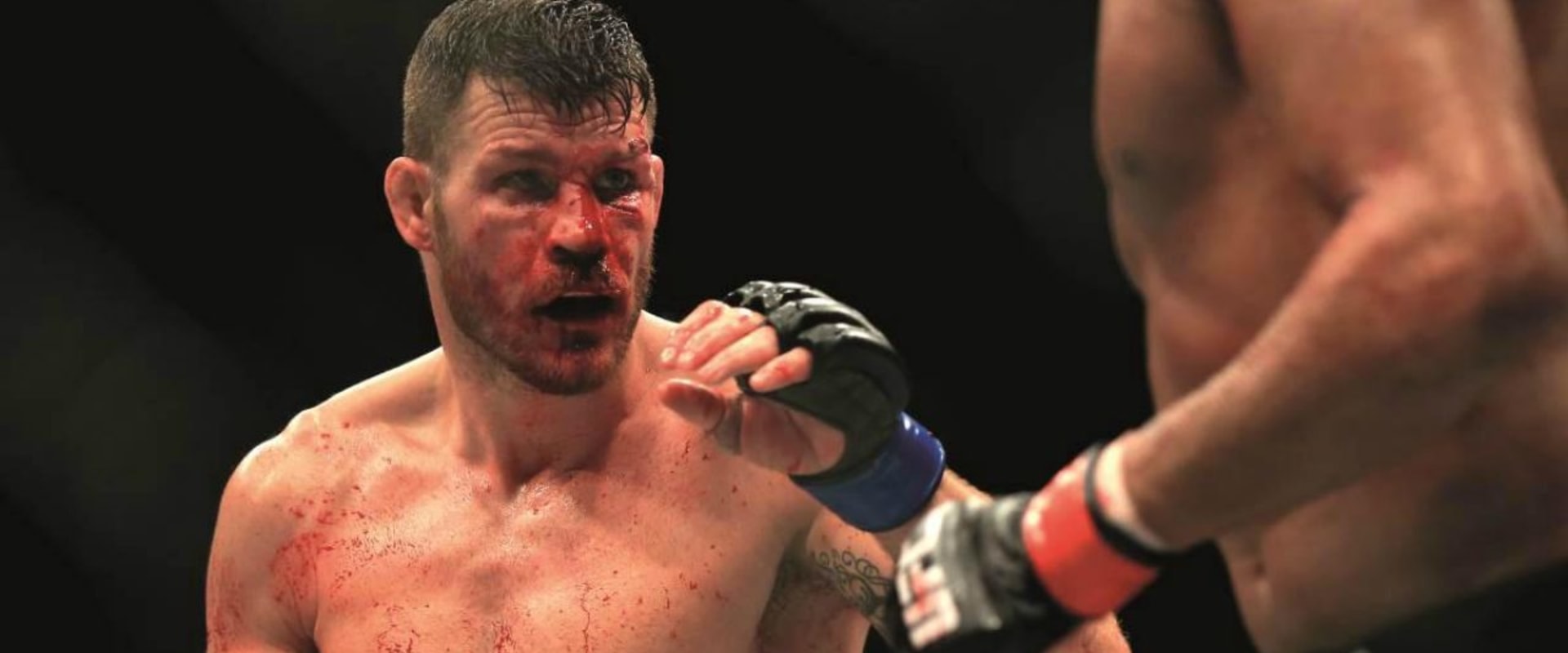
Mixed martial arts, commonly known as MMA, is a dynamic and multifaceted combat sport that has captured the attention of audiences worldwide. It combines techniques from various martial arts disciplines, including boxing, Brazilian jiu-jitsu, wrestling, Muay Thai, and more, creating a comprehensive fighting style that emphasizes both striking and grappling. The essence of MMA lies in its ability to adapt and evolve, allowing fighters to utilize the most effective techniques from different martial arts to gain an advantage in the octagon. The history of mixed martial arts is as rich and diverse as the techniques it encompasses. Its roots can be traced back to ancient combat sports practiced in various cultures, but the modern incarnation of MMA began to take shape in the early 1990s with the establishment of the Ultimate Fighting Championship (UFC).
This groundbreaking event showcased fighters from different backgrounds competing against one another, igniting a global fascination with the sport. Over the years, MMA has transitioned from a no-holds-barred spectacle to a highly regulated sport with established rules and weight classes, ensuring the safety of its participants while maintaining its competitive spirit. As MMA continues to grow in popularity, it has also become a cultural phenomenon, influencing everything from fitness trends to entertainment. The sport's accessibility has led to an influx of practitioners at all levels, from casual enthusiasts to professional athletes. With its blend of athleticism, strategy, and discipline, mixed martial arts not only serves as a platform for competition but also fosters personal growth and resilience among its practitioners.
This comprehensive guide will delve deeper into the intricacies of MMA, exploring its techniques, training methodologies, and the impact it has on both fighters and fans alike.
The Origins of Mixed Martial Arts
The history of mixed martial arts (MMA) is a rich tapestry woven from various combat sports and martial arts traditions that span centuries. Its roots can be traced back to ancient civilizations where combat was not only a means of survival but also a form of entertainment and ritual. One of the earliest forms of mixed fighting can be seen in the ancient Greek sport of Pankration, which combined elements of boxing and wrestling, allowing competitors to use a wide range of techniques. However, the modern concept of MMA began to take shape in the early 20th century with the emergence of Vale Tudo, a Brazilian fighting style that translates to "anything goes." Vale Tudo competitions were characterized by minimal rules, allowing fighters from different martial arts backgrounds to compete against one another. This format provided a platform for practitioners of various styles, including Brazilian Jiu-Jitsu, Muay Thai, and boxing, to showcase their skills and determine which martial art was most effective in real combat scenarios. In the 1970s, the popularity of Vale Tudo began to spread beyond Brazil, particularly due to the efforts of the Gracie family, who promoted Brazilian Jiu-Jitsu as an effective self-defense system.They organized events that pitted their style against other martial arts, leading to increased interest in mixed fighting disciplines. This period marked a significant turning point in the evolution of MMA as it began to attract attention from both practitioners and spectators alike. The term "mixed martial arts" was officially coined in 1993 during the inaugural Ultimate Fighting Championship (UFC) event. This groundbreaking competition brought together fighters from diverse backgrounds, including karate, wrestling, and kickboxing, under a unified set of rules. The UFC's success played a pivotal role in legitimizing MMA as a sport and helped it gain mainstream acceptance. As MMA continued to evolve throughout the late 1990s and early 2000s, regulatory bodies began to establish rules and safety measures to protect fighters.
The California State Athletic Commission's adoption of regulations in 2000 laid the groundwork for what would become the Unified Rules of Mixed Martial Arts. These regulations introduced weight classes, time limits, and prohibited techniques, ensuring fair competition while prioritizing fighter safety. Today, mixed martial arts is recognized globally as a legitimate sport that combines various techniques from multiple disciplines. Its origins in Vale Tudo and early combat sports have paved the way for a dynamic and evolving landscape where athletes continue to push the boundaries of skill and strategy.
Key Components of Mixed Martial Arts
Mixed martial arts (MMA) is a dynamic and multifaceted sport that integrates various fighting techniques and styles, creating a comprehensive combat system. Understanding the key components of MMA is essential for both practitioners and fans alike, as it highlights the diverse skill sets that fighters bring to the octagon. At its core, MMA combines elements from several martial arts disciplines, each contributing unique techniques and strategies.Here are some of the primary styles that form the foundation of mixed martial arts:
- Boxing: Known for its striking techniques, boxing emphasizes footwork, head movement, and powerful punches. Fighters utilize jabs, crosses, hooks, and uppercuts to deliver effective strikes while maintaining defensive postures.
- Brazilian Jiu-Jitsu (BJJ): This grappling art focuses on ground fighting and submission techniques. BJJ practitioners learn to control opponents through positional dominance and leverage, using joint locks and chokeholds to secure victories.
- Wrestling: A critical component of MMA, wrestling provides fighters with the ability to take opponents down or defend against takedowns. Wrestlers excel in clinch work and can dictate the pace of a fight by controlling where it takes place—standing or on the ground.
- Muay Thai: Often referred to as the "Art of Eight Limbs," Muay Thai incorporates punches, kicks, elbows, and knee strikes.
Its clinch work allows fighters to engage in close-range combat effectively, making it a valuable asset in MMA.
- Kickboxing: Similar to Muay Thai but with a different emphasis on striking techniques, kickboxing combines punches and kicks in a fluid manner. It enhances a fighter's ability to strike from various angles while maintaining mobility.
- Karate: This traditional martial art contributes speed and precision to MMA fighters' striking abilities. Karate techniques often include quick kicks and powerful punches that can catch opponents off guard.
Conversely, a striker may utilize boxing footwork to evade takedowns while delivering powerful strikes. Moreover, MMA training emphasizes adaptability; fighters must be prepared to switch between striking and grappling seamlessly during a match. This versatility is what makes mixed martial arts not only exciting to watch but also incredibly challenging for those who compete. In conclusion, the key components of mixed martial arts encompass a rich tapestry of techniques from various disciplines. By mastering these styles, fighters can create their unique approach to combat, making each bout an unpredictable showcase of skill and strategy.
The Evolution of MMA Rules and Regulations
The landscape of mixed martial arts (MMA) has undergone significant transformation since its inception, particularly in terms of rules and regulations. Initially, MMA competitions were characterized by minimal oversight, allowing fighters from various disciplines to engage in combat with few restrictions.This lack of regulation often led to dangerous situations, prompting the need for a structured framework to ensure the safety of participants and the integrity of the sport. In the early 1990s, as MMA began to gain popularity, the absence of standardized rules became increasingly problematic. Events like UFC 1 showcased fighters from diverse backgrounds, but the chaotic nature of these competitions raised concerns among regulators and the public alike. In response, various organizations began to advocate for a more organized approach to MMA. By April 2000, the California State Athletic Commission took a pivotal step by unanimously voting in favor of regulations that would lay the groundwork for what is now known as the Unified Rules of Mixed Martial Arts. These rules were designed to create a safer environment for fighters while maintaining the competitive spirit of the sport.
Key components of these regulations include:
- Weight Classes: Fighters are categorized into specific weight divisions to ensure fair competition.
- Round Structure: Matches are typically divided into three or five rounds, each lasting five minutes, with one-minute breaks in between.
- Scoring System: Judges score fights based on effective striking, grappling, and overall control, ensuring that performance is evaluated fairly.
- Prohibited Techniques: Certain moves, such as headbutts and strikes to the back of the head or spine, are banned to protect fighters from serious injury.
- Medical Requirements: Fighters must undergo medical examinations and obtain necessary clearances before competing.
The Role of Conditioning in Mixed Martial Arts
In the world of mixed martial arts (MMA), physical conditioning is not just an accessory; it is a fundamental pillar that can determine the outcome of a fight.Fighters must possess a unique blend of endurance, strength, and agility to excel in this demanding sport. The rigorous training regimens designed for MMA athletes focus on enhancing these physical attributes, ensuring they are prepared for the multifaceted challenges of the octagon.
Endurance Training
Endurance is crucial in MMA, as fights can last several rounds, requiring fighters to maintain high levels of performance throughout. To build cardiovascular endurance, fighters often engage in:
- Long-distance running: This helps improve aerobic capacity and stamina.
- Interval training: Short bursts of high-intensity exercise followed by rest periods mimic the stop-and-go nature of a fight.
- Swimming: A low-impact alternative that enhances lung capacity and overall fitness.
Strength Training
Strength is equally important in MMA, as it allows fighters to execute powerful strikes and maintain control over their opponents. Strength training typically includes:
- Weightlifting: Compound movements like squats, deadlifts, and bench presses build overall body strength.
- Plyometrics: Explosive exercises such as box jumps and medicine ball throws enhance power and speed.
- Bodyweight exercises: Push-ups, pull-ups, and dips improve functional strength without the need for equipment.
Agility and Flexibility
A fighter's ability to move quickly and change direction is vital in avoiding strikes and executing techniques.
Agility drills may include:
- Ladder drills: Improve foot speed and coordination.
- Cone drills: Enhance quick directional changes.
- Dynamic stretching: Increases flexibility and prepares muscles for intense activity.
Famous Mixed Martial Arts Organizations
Mixed martial arts (MMA) has gained immense popularity over the past few decades, largely due to the influence of several key organizations that have shaped the landscape of the sport. Among these, the Ultimate Fighting Championship (UFC) stands out as the most recognized and influential entity in the MMA world. The UFC was founded in 1993 and has since evolved from a niche competition into a global phenomenon.It has played a pivotal role in legitimizing mixed martial arts as a mainstream sport. The organization is known for its high production values, extensive marketing strategies, and ability to attract top-tier talent from various martial arts backgrounds. UFC events are broadcasted worldwide, drawing millions of viewers and creating a massive fan base. One of the UFC's significant contributions to MMA is its establishment of standardized rules and regulations, which have helped ensure fighter safety and fair competition. The introduction of weight classes and the Unified Rules of Mixed Martial Arts have made fights more competitive and accessible to a broader audience. Another major player in the MMA scene is Bellator MMA, which was founded in 2008. Bellator has carved out its niche by focusing on tournament-style competitions and offering fighters a platform to showcase their skills.
While it may not have the same level of recognition as the UFC, Bellator has successfully attracted notable fighters and has developed a loyal following. The organization emphasizes fighter development and often provides opportunities for up-and-coming talent to shine. In addition to these two giants, there are several other organizations that contribute to the growth of mixed martial arts:
- ONE Championship: Based in Asia, ONE Championship promotes MMA events across multiple countries, emphasizing martial arts culture and values.
- PFL (Professional Fighters League): Known for its unique season format, PFL features a regular season, playoffs, and championship, providing fighters with a structured path to success.
- Invicta FC: This organization focuses on women's MMA, providing female fighters with opportunities to compete at high levels.
The Global Impact of Mixed Martial Arts
Mixed martial arts (MMA) has evolved into a global phenomenon, transcending cultural and geographical boundaries to become one of the most popular sports worldwide.Its rise can be attributed to several factors, including the accessibility of training facilities, the proliferation of media coverage, and the universal appeal of combat sports. One of the most significant aspects of MMA's global influence is its ability to unite diverse martial arts traditions under a single competitive framework. Fighters from various backgrounds—such as Brazilian jiu-jitsu, Muay Thai, wrestling, and boxing—come together to showcase their skills in a mixed format. This blending of styles not only enriches the sport but also fosters a sense of community among practitioners from different cultures. The popularity of MMA has surged in regions where traditional martial arts have deep roots. For instance, in countries like Brazil and Japan, MMA has revitalized interest in local fighting styles while simultaneously introducing new techniques and strategies.
The emergence of organizations like the Ultimate Fighting Championship (UFC) has played a pivotal role in promoting these events on a global scale, drawing audiences from all corners of the world. Moreover, MMA's cultural impact extends beyond the ring. It has influenced fashion, music, and even lifestyle choices among fans and practitioners alike. Fighters often become cultural icons, inspiring young athletes to pursue their dreams in combat sports. The sport's representation in films and television further amplifies its reach, making it accessible to those who may not have previously engaged with martial arts. In addition to its entertainment value, MMA promotes values such as discipline, respect, and perseverance.
These principles resonate with individuals across different cultures, making it an appealing choice for those seeking personal growth through physical activity. As more people engage with MMA, it fosters a sense of belonging and camaraderie among practitioners worldwide. As we look to the future, the global impact of mixed martial arts is likely to continue expanding. With increasing participation rates and the establishment of new training academies around the world, MMA is set to influence even more lives while bridging cultural divides through the shared love of combat sports.
Women in Mixed Martial Arts
The landscape of mixed martial arts (MMA) has undergone a significant transformation over the past few decades, particularly with the rise of female fighters who have made indelible marks on the sport. Women in MMA have not only showcased their skills inside the cage but have also played a crucial role in changing perceptions and expanding opportunities for future generations of female athletes. Historically, women faced numerous challenges in gaining acceptance within the predominantly male-dominated world of combat sports.Early female fighters often struggled for recognition and respect, competing in an environment that was not always welcoming. However, pioneers like Ronda Rousey , Gina Carano , and Michelle Waterson broke barriers and paved the way for future generations. Rousey, in particular, became a household name after her success in the UFC, where she not only defended her title multiple times but also brought significant media attention to women's MMA. The impact of these trailblazers cannot be overstated. They demonstrated that women could compete at the highest levels of MMA, showcasing not just their physical prowess but also their technical skills and mental toughness.
As a result, organizations like the UFC began to invest more in women's divisions, leading to the establishment of weight classes and championship titles specifically for female fighters. Today, the roster of female fighters includes a diverse array of talent from around the globe. Fighters such as Valentina Shevchenko , Amanda Nunes , and Joanna Jędrzejczyk have not only achieved championship status but have also become role models for aspiring athletes. Their success has inspired countless young women to pursue careers in martial arts, contributing to a growing interest in female participation across various combat sports. Despite these advancements, challenges remain. Female fighters often face issues such as pay disparity compared to their male counterparts and limited visibility in mainstream media.
However, as more women continue to excel and gain recognition, these barriers are gradually being dismantled. The increasing popularity of women's MMA events is a testament to this progress. The future looks promising for women in mixed martial arts. With ongoing support from fans, sponsors, and organizations committed to equality in sports, female fighters are poised to continue breaking records and redefining what is possible within the realm of MMA.
Common Misconceptions About Mixed Martial Arts
Mixed martial arts (MMA) has gained immense popularity over the years, yet it remains shrouded in misconceptions that can mislead both fans and newcomers. Understanding the truth behind these myths is essential for appreciating the sport's complexity and discipline.Myth 1: MMA is Just Street Fighting
One of the most prevalent misconceptions is that MMA resembles street fighting, where anything goes and there are no rules.
In reality, MMA is a highly regulated sport governed by strict rules and regulations. Fighters must adhere to a comprehensive set of guidelines that dictate what techniques are permissible and what actions are prohibited. This includes weight classes, rounds, and specific fouls that can lead to disqualification.
Myth 2: MMA Fighters Are Untrained Brawlers
Another common myth is that MMA fighters are simply untrained individuals who engage in brawls. On the contrary, successful MMA athletes undergo rigorous training in various disciplines, including Brazilian jiu-jitsu, wrestling, Muay Thai, boxing, and more.
They spend countless hours honing their skills, improving their physical conditioning, and developing strategies to outmaneuver their opponents.
Myth 3: All MMA Fights End in Knockouts
Many people believe that every MMA fight concludes with a knockout or a technical knockout (TKO). While knockouts do occur, a significant number of fights end through submission or judges' decisions based on points. This highlights the strategic nature of the sport, where fighters can win by outscoring their opponents or forcing them to submit.
Myth 4: Women Don't Compete in MMA
The notion that MMA is a male-dominated sport is outdated. Women have made significant strides in mixed martial arts, with female fighters gaining recognition and respect for their skills and achievements.
Organizations like the UFC have showcased women's divisions, featuring talented athletes who have become role models for aspiring fighters.
Myth 5: MMA Is Dangerous and Causes Serious Injuries
While any contact sport carries inherent risks, the safety measures in place for MMA are extensive. Fighters undergo medical examinations before bouts, and referees are trained to stop fights when necessary to protect athletes from serious harm. The sport emphasizes safety protocols to minimize injuries while allowing for competitive action.
By debunking these myths surrounding mixed martial arts, we can foster a better understanding of the sport's true nature. It is not merely about brute strength or violence; rather, it is a sophisticated blend of techniques and strategies that require discipline, respect, and dedication.
Conclusion: The Future of Mixed Martial Arts
As we reflect on the evolution and current state of mixed martial arts, it becomes clear that this dynamic sport has transcended its origins to become a global phenomenon.From its early days of unregulated bouts to the establishment of comprehensive rules and regulations, MMA has matured into a highly respected discipline that attracts millions of fans worldwide. The key points discussed throughout this guide highlight the multifaceted nature of mixed martial arts. It is not merely a combination of various fighting styles; rather, it is a unique sport that emphasizes strategy, athleticism, and mental fortitude. Fighters today are not only skilled in striking and grappling but also possess a deep understanding of fight psychology and conditioning. Looking ahead, the future of mixed martial arts appears promising. Several trends are shaping the trajectory of the sport:
- Increased Global Popularity: As more countries embrace MMA, we can expect to see a rise in international competitions and talent from diverse backgrounds.
This globalization will enrich the sport, introducing new techniques and styles.
- Advancements in Training: With technology playing a pivotal role in sports training, fighters are now utilizing data analytics, virtual reality, and advanced conditioning programs to enhance their performance. This trend will likely lead to even more skilled athletes entering the octagon.
- Regulatory Developments: As MMA continues to grow, so too will the need for robust regulatory frameworks. Ensuring fighter safety and fair competition will be paramount, leading to further standardization across different organizations.
- Increased Female Participation: The rise of female fighters in MMA has been remarkable. As more women enter the sport, we can anticipate greater visibility and support for women’s divisions, which will inspire future generations.
As we look to the future, it is essential for fans, fighters, and organizations alike to continue fostering an environment that promotes growth and inclusivity within this exciting arena. The journey of MMA is far from over, and its potential is limitless.